






The Tote Bag Burden
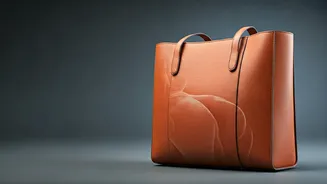
Many of us rely on spacious tote bags for our daily needs, from work essentials to everyday carry items. However, consistently lugging these bags, especially
when heavy, can unfortunately lead to a host of musculoskeletal issues. Dr. S. Rajasekhar, a senior consultant in orthopedics, sheds light on why this common accessory can become a pain point. The primary culprit often lies in how the weight is handled. When a substantial load is placed on one shoulder, the body's natural alignment is disrupted. This uneven distribution forces the muscles and supporting structures on that side to work overtime, leading to fatigue, soreness, and discomfort. The sheer volume we often pack into these bags exacerbates the problem, placing undue stress not just on the shoulder but also potentially affecting the neck and upper back regions. Understanding these mechanics is the first step towards mitigating the negative impact.
Understanding the Strain
The discomfort arising from carrying a tote bag is multifaceted, stemming from several key factors. Firstly, the uneven distribution of weight is a major contributor. When a tote bag is slung over a single shoulder, the entire load is concentrated on one side, leading to muscle imbalances and strain on ligaments. Secondly, the tendency to overfill these bags introduces excessive weight, significantly increasing the burden on your shoulder and neck muscles. This constant overexertion can result in muscle fatigue, stiffness, and in some cases, even lead to nerve compression. Furthermore, to counteract the bag's pull, individuals often adopt poor posture, such as hunching or slouching. This compensatory behavior can develop into chronic neck and back pain. Lastly, the repetitive nature of carrying a heavy bag on the same shoulder can culminate in repetitive strain injuries, like tendonitis or bursitis, which require medical attention.
Carrying Smarter, Not Harder
Fortunately, there are effective strategies to combat the shoulder pain associated with tote bag usage. The most crucial advice is to distribute the weight evenly. Whenever possible, utilize both shoulder straps if your bag has them, or make a conscious effort to switch shoulders periodically. This simple act prevents prolonged stress on one side. Equally important is to lighten your load; resist the urge to pack your tote bag with unnecessary items. Carrying only essentials will significantly reduce the overall weight. For those who frequently transport heavier items, a backpack is a superior alternative. Backpacks are designed to distribute weight uniformly across both shoulders and the back, minimizing strain. Maintaining good posture is also paramount – stand tall and avoid slouching, even when your bag is on your shoulder. Finally, regular exercises targeting your shoulder, back, and core muscles can build strength and resilience, enabling your body to better manage the weight of your bag. If pain persists despite these measures, consulting an orthopedics doctor is recommended for proper diagnosis and treatment.