




The 'Second Heart' Myth
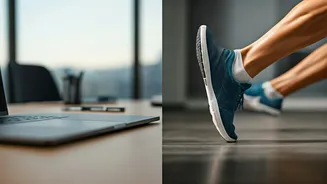
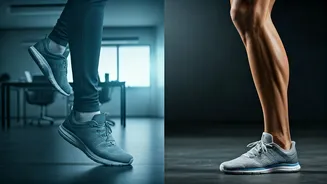
While seated calf raises might seem like a minor activity, experts highlight their surprisingly significant role in maintaining circulation. The calf muscles
function akin to a secondary pump, crucial for returning blood from the lower extremities back to the heart. Prolonged sitting can impede this flow, leading to discomfort and swelling in the legs. Performing seated calf raises actively engages these muscles, thereby supporting better blood circulation. Although they don't substitute for comprehensive physical activity, they offer a practical strategy to stay somewhat active during extended periods of sitting, providing a valuable tool when more vigorous movement isn't feasible.
The Power of a Stroll
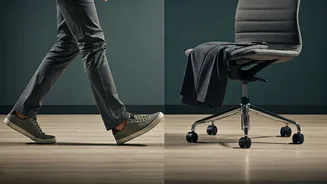
Walking emerges as a superior option for overall well-being due to its engagement of multiple muscle groups, including those in the legs, hips, and core. This activity not only boosts blood circulation but also contributes positively to cardiovascular health and helps alleviate the stiffness that arises from sitting for extended durations. Even brief walks, lasting as little as 5 to 10 minutes during short breaks, can yield noticeable benefits. Nevertheless, seated calf raises still retain their value, particularly in scenarios where frequent breaks for walking are impractical. They effectively activate the calf muscles, which are vital for propelling blood upwards towards the heart, demonstrating their complementary utility.
Combined Approach Wins
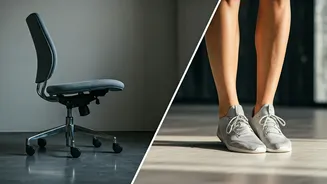
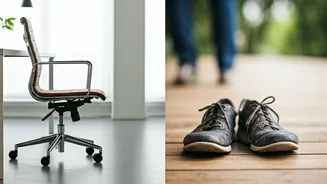
For individuals whose work demands a predominantly sedentary posture, integrating both walking and seated calf raises offers the most advantageous strategy. Walking proves beneficial by engaging a wider array of muscles, enhancing circulatory function, promoting joint flexibility, and mitigating the risks associated with stiffness and the formation of blood clots. Many find walking an accessible alternative when other forms of exercise are not viable. Furthermore, it supports cardiovascular fitness and aids in weight management. Seated calf raises, conversely, are best suited for situations where continuous movement is not an option, such as during extended desk work. They specifically target the calf muscles, improving venous return and reducing lower leg swelling. Ultimately, a synergistic approach, incorporating hourly short walks and interspersed seated exercises like calf raises, ankle rotations, or stretches, is affirmed by experts as the most effective method to maintain joint comfort and overall mobility throughout the day.