

Odd vs. Even Steps
The number of steps in a staircase holds considerable importance in Vastu Shastra, particularly for east-facing homes. Generally, Vastu principles suggest
opting for an odd number of steps. This is believed to attract positive energy and promote a sense of completeness and auspiciousness. Conversely, an even number of steps is often associated with the potential for negative energy or stagnation. For instance, a staircase with 11, 13, or 15 steps is considered more favorable than one with 10, 12, or 14. This belief stems from ancient architectural and cosmic energy principles where odd numbers are seen as more dynamic and beneficial for the flow of life force (prana). When designing or renovating a staircase, carefully counting the steps and ensuring an odd number can be a simple yet impactful Vastu compliance measure. This detail contributes significantly to the overall well-being and prosperity of the inhabitants. Even seemingly minor elements like the stair count can influence the home's Vastu and, consequently, its residents' lives. Prioritizing an odd number of steps aligns the staircase with harmonious Vastu energies.
Optimal Placement Strategies
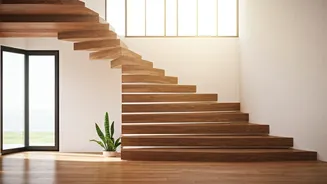
For an east-facing house, the placement of the staircase is a critical Vastu consideration to ensure a harmonious flow of energy and prevent Vastu doshas. Ideally, the staircase should be situated in the southwest, west, or south part of the house. Constructing the staircase in the east or northeast direction is strongly discouraged as these areas are associated with sunlight and positive energy, and a staircase here can obstruct this beneficial flow. The staircase should also not be directly opposite the main entrance, as this can lead to an imbalance of energy and potential financial instability. Furthermore, it is advisable to avoid placing the staircase in the center of the house, which is considered the Brahmasthan and should ideally remain open and clutter-free. When considering placement, think about the staircase's visibility to outsiders; it's best if it's not prominently visible from the main entrance or front of the house, maintaining a sense of privacy and preventing the direct entry of negative energies. A well-placed staircase acts as a conduit for positive vibes, contributing to the overall well-being of the residents.
Utilizing Space Below
The area beneath a staircase in an east-facing house presents a unique Vastu opportunity, and how it's utilized can significantly impact the home's energy. It's generally advisable to avoid using this space for living purposes, such as creating a puja room, bedroom, or kitchen, as it can lead to a cramped and Vastu-defective area. Instead, this space can be effectively used for storage, particularly for items that are not frequently used or are considered less auspicious. Examples include storing old books, luggage, or cleaning supplies. However, it's crucial to keep this area clean, organized, and well-lit to prevent the accumulation of negative energies. Avoid storing broken items, clutter, or anything that represents negativity. Some Vastu experts suggest placing a small water feature or a decorative element here to promote prosperity. Ensuring that the space is not left dark and neglected is key. A well-managed under-stair area can prevent Vastu defects and even contribute positively to the home's overall Vastu balance.
Materials and Aesthetics
When constructing a staircase for an east-facing house, Vastu Shastra offers guidance on appropriate materials and aesthetic choices to enhance positive energy. Wood is generally considered the most auspicious material for staircases, as it is a natural and harmonious element that resonates well with Vastu principles. Stone is also acceptable, particularly sandstone or marble, but it's advisable to avoid very dark or rough stones. Metal staircases are often discouraged, especially those made of iron, as they can sometimes be associated with negative or heavy energies. In terms of color, for an east-facing house, lighter and warmer shades are recommended. Colors like cream, light yellow, or beige can promote a sense of calm and positivity. Avoid dark and somber colors like black or dark blue, which can absorb positive energy and create a dull atmosphere. Simple, elegant designs are preferred over complex or spiral staircases, as spiral designs can sometimes be seen as disrupting the natural flow of energy. Maintaining a clean and well-lit staircase, regardless of the material, is paramount for good Vastu.