






Foundational Nutrients Guide
As men enter their 30s, proactive health management becomes increasingly important for maintaining vitality in later years. While a balanced diet forms
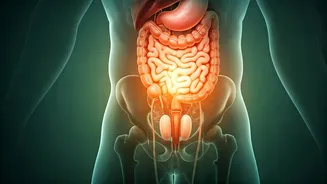
the bedrock of good health, certain supplements can offer targeted support. Dr. Ramita Kaur, a specialist in maternal and child nutrition, highlights seven key supplements that can contribute significantly to a man's long-term health. These include Omega-3 fatty acids, crucial for cardiovascular and cognitive function, recommended at 250-500 mg of EPA and DHA, best taken with meals like breakfast or dinner. Magnesium, essential for muscle and nerve function, is advised at 400-420 mg, ideally consumed in the evening. Probiotics, vital for gut health, should be taken on an empty stomach, with dosages ranging from 1 to 10 billion CFU. Vitamin D3, supporting bone health and immune function, requires 600-800 mg and is best absorbed with healthy fats such as milk. Curcumin, known for its anti-inflammatory properties, needs 500-1000 mg and also benefits from consumption with healthy fats, alongside zinc. Zinc, at 11 mg daily, should be taken at least one hour before or two hours after meals. Finally, CoQ10, an antioxidant that supports energy production, is recommended at 100-200 mg, preferably with milk at night.
Diet First, Supplements Second
Edwina Raj, head of clinical nutrition and dietetics at Aster CMI Hospital, Bangalore, emphasizes that a universal need for supplements doesn't exist for all men. The primary focus should always be on adopting a healthy diet and regular exercise routine. The necessity of any supplement should be evaluated on an individual basis, with a registered dietitian or doctor determining requirements through assessments of nutrient deficiencies, symptom analysis, or biochemical evaluations. Unsolicited, general advice on supplements without guidance on their duration is strongly discouraged by qualified health professionals. Men can naturally enhance their heart health and mitigate the risk of early-onset diabetes by incorporating foods rich in fiber, minerals like magnesium, and omega-3 fatty acids. Excellent sources for these nutrients include nuts, oilseeds, fish, and fermented foods, while a diverse intake of fruits and vegetables contributes to improved gut health.
Risks of Misguided Supplementation
Minimizing the consumption of unhealthy processed foods can effectively reduce inflammatory markers within the body. Edwina Raj points out that obtaining nutrients from natural food sources is generally safer and more advantageous than relying on supplements. For instance, an excessive intake of calcium from supplements has been linked to potential issues like bladder stones and the calcification of blood vessels. Similarly, low-quality omega-3 supplements might carry the risk of mercury toxicity, a serious health concern. Even probiotics, while beneficial for gut health, can cause adverse effects like bloating if taken in high doses without proper guidance. Therefore, it is imperative to seek advice from qualified healthcare professionals who employ an evidence-based approach to assess individual needs and recommend appropriate interventions.