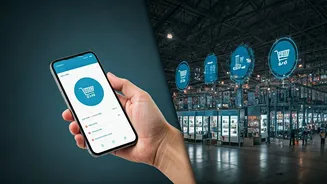

Growth Beyond Marketplaces
Online brands are increasingly recognizing the potential of their own channels and apps, which is leading to notable growth. This trend contrasts with
the traditional dependence on platforms such as Flipkart and Amazon. The shift suggests a strategic move toward greater control over customer relationships and branding. It is important to note that brands can often curate a more personalized shopping experience and gather direct customer data on their own channels. This allows for tailored marketing and more effective sales strategies. The ability to control the complete customer journey, from product discovery to purchase, is a key advantage for brands adopting this approach.
Own Channels Advantage
Utilizing proprietary apps and websites allows brands to cultivate a unique brand identity and offer exclusive products or experiences. By owning their distribution channels, brands are better positioned to respond to market trends and adapt quickly to consumer feedback. Furthermore, focusing on direct-to-consumer models can help brands reduce reliance on marketplace fees and improve profit margins. This approach is giving a competitive edge by helping them build stronger customer loyalty. This is leading to a sustainable growth model. The ability to gather direct customer data empowers brands with valuable insights for informed decision-making.
Flipkart, Amazon's Role
While brands are experiencing growth on their own platforms, Flipkart and Amazon remain significant players in the Indian e-commerce market. These marketplaces offer vast customer bases, established logistics networks, and brand visibility. As such, they continue to be crucial for driving sales and reaching a wide audience. However, the dynamics are evolving as brands become more assertive in pursuing their own growth strategies. The competition between these different channels will shape the future of e-commerce in India. They also provide valuable insights into consumer behavior and market trends. The constant need for optimization of the brand's approach for the marketplace and own channels is the future.
Strategic Implications
The shift toward own channels has several strategic implications for online brands. Companies need to invest in website development, mobile app creation, and digital marketing to drive traffic to their platforms. Furthermore, they must focus on creating a seamless customer experience, which includes easy navigation, secure payment options, and efficient delivery processes. This will also encourage customer loyalty and repeat business. Another consideration is the need for brands to effectively manage their supply chains and inventory to fulfill orders. This may involve collaborations with logistics providers or establishing their own warehousing capabilities. This ongoing change will shape the e-commerce landscape.
Future of E-commerce
The growing focus on own channels suggests a future where brands have more control over their destiny in e-commerce. As consumers are searching for personalized experiences, the brands that can deliver that, have an advantage. Marketplaces will continue to play a role, but the balance of power is shifting. The success of online brands will depend on the ability to balance their presence on marketplaces with their direct-to-consumer efforts. These actions include strong branding, efficient logistics, and excellent customer service. This approach is going to redefine the e-commerce landscape for the coming years.