




Medical Innovations in Travel
Switzerland has long been a pioneer in health-focused travel, with its clinics offering advanced, data-driven programs aimed at decelerating the aging
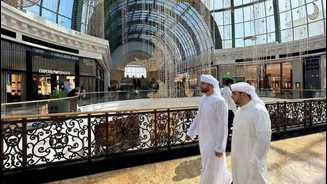
process. Prestigious establishments like Clinique La Prairie, established in the 1930s, provide guests with comprehensive diagnostic testing, including genetic assessments, to gauge their biological age. These insights then inform highly individualized plans that integrate cellular therapies with holistic wellness practices, designed to bolster the immune system and enhance vitality. While these sophisticated medical programs are an investment, many travelers view them as crucial for a deeper understanding of their health and for extending their 'quality' years. This trend is expanding globally, with the Middle East emerging as a significant hub where luxury hospitality merges with state-of-the-art healthcare. Hotels and resorts are increasingly featuring dedicated longevity centers, catering to the evolving desires of wellness-conscious travelers. For instance, the One&Only One Za’abeel in Dubai hosts a multi-level longevity facility operated by Clinique La Prairie, offering initial assessments that inform treatments like cryotherapy, IV infusions, and personalized nutrition. Similarly, SHA Wellness Clinic is expanding its presence, with a new Abu Dhabi location set to offer its expertise in preserving health and boosting vitality, marking longevity as a pivotal new direction in the travel industry.
Wisdom of Blue Zones
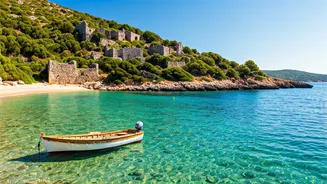
Beyond the realm of clinical interventions, another facet of longevity tourism focuses on observational journeys to the globe's 'Blue Zones.' These are regions identified by researcher Dan Buettner as having an exceptionally high concentration of centenarians, where long and healthy lives are attributed to community and environmental factors. Visiting these destinations offers travelers a unique opportunity to witness daily life, adopt beneficial habits, and gather inspiration for their own lives. In Sardinia, Italy, a prime example of a Blue Zone, longevity is nurtured by a balanced diet rich in local produce and whole foods, with limited meat consumption. Daily physical activity, often involving walking across hilly landscapes, combined with strong social connections among family and friends, are integral to the lifestyle. Similarly, the Nicoya Peninsula in Costa Rica showcases active living through manual labor and household routines, supported by a nutrient-dense diet of beans, squash, and corn, providing ample fiber and plant-based protein. A key element in Nicoya is the concept of a 'plan de vida,' a driving purpose that motivates individuals each morning. Singapore, a 'Blue Zone 2.0,' represents a modern approach where longevity is influenced by thoughtful urban planning and government initiatives. Policies aim to combat loneliness, a factor impacting lifespan, by encouraging multigenerational living. Travelers to Singapore will observe a focus on accessible healthy food options in hawker markets, abundant outdoor fitness areas, and well-covered pedestrian walkways, promoting an active lifestyle. While these urban interventions may not be directly replicable, Singapore offers a compelling model for enhancing well-being through deliberate design.