





A Taste of Bengal
During a cultural immersion trip focused on South Asian culture and history, a cohort of American students from the University of Pennsylvania had the enriching
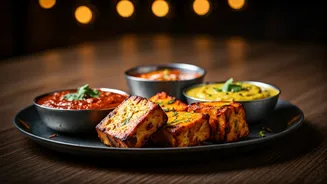
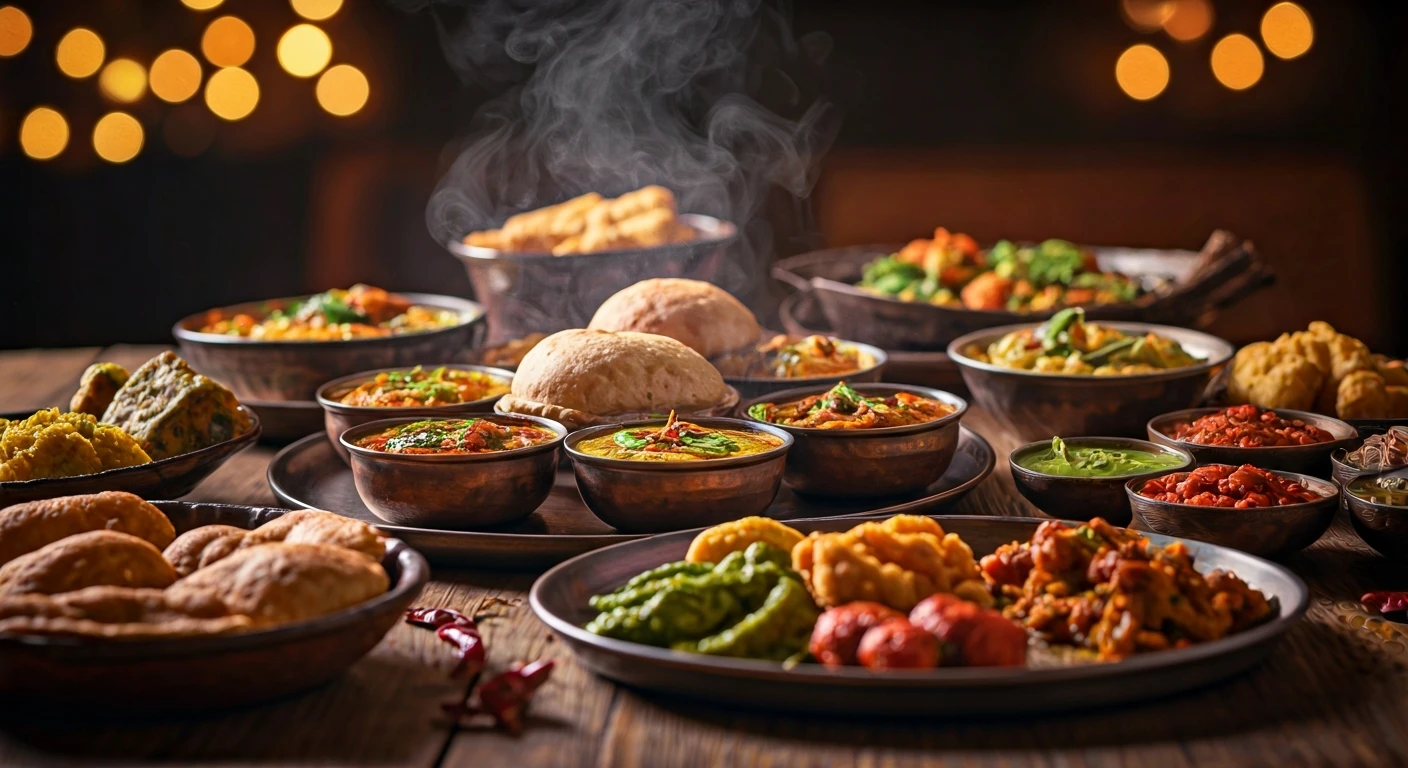
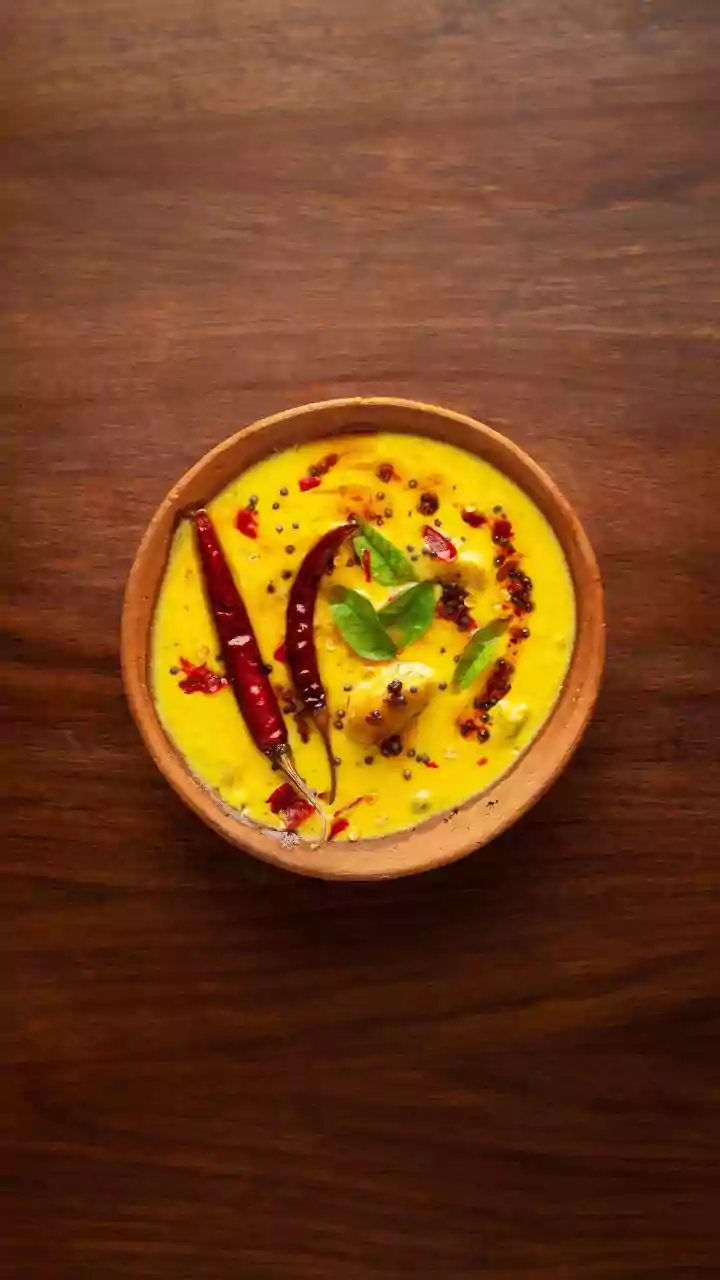
opportunity to engage with authentic Bengali culinary traditions. This engagement took place at a local restaurant where they were served a thoughtfully curated meal featuring quintessential Bengali dishes. Among the highlights were 'posto potol,' a creamy preparation of pointed gourd in poppy seed paste, and 'chingri malaikari,' succulent prawns simmered in a rich coconut milk gravy. The experience offered the students a profound sensory introduction to the region's gastronomic heritage, a departure from their familiar Western palates. The students' reactions underscored the novelty and appeal of Bengali cuisine, with many expressing surprise and delight at the complex flavor profiles and varied textures presented, marking a significant moment in their understanding of Indian culture through its food.
Chef's Culinary Diplomacy
Chef Anjan Chatterjee, the orchestrator of this unique dining experience, expressed immense satisfaction in introducing the students to the depth of Bengali culinary artistry. He emphasized his aim to present the essence of Bengal's food, characterized by its nuanced yet sophisticated flavor profiles, to these young international visitors. Chatterjee views such culinary exchanges as a powerful medium for cultural transmission, a way to impart knowledge about traditions and heritage through shared meals. The students' interaction with the chef provided them with invaluable insights into the specific ingredients, such as the pungent mustard oil and the delicate poppy seeds, and the ingenious cooking methodologies employed in Bengali kitchens. This direct engagement fostered a deeper appreciation for the intricacies of the cuisine and its cultural significance.
Discovery of New Ingredients
The American students' culinary journey was marked by a keen interest in the distinctive ingredients that define Bengali cooking, with mustard oil and posto (poppy seeds) capturing their attention. As part of their academic pursuits in South Asian culture, they understood food's vital role in regional identity. This meal served as a practical application of their learning, enhancing their appreciation for the gastronomic diversity of the area. The students voiced their excitement about attempting to recreate some of these dishes upon their return, signifying the lasting impression of the Bengali flavors. The overall immersion trip, designed to offer hands-on cultural experiences, found a particularly resonant expression in this flavorful encounter, leaving the students with a memorable and insightful taste of India.
Culinary Institute's Immersion
A separate group, comprising students and faculty from the Culinary Institute of America's New York campus, also engaged deeply with Bengali cuisine during their India Immersion tour. Stepping away from their usual culinary environments, they found themselves in a distinct educational setting focused on Bengali cooking. Their curriculum included hands-on learning of dishes like 'Doodh Potol' and the meticulous preparation of 'Betki Paturi,' a steamed fish dish wrapped in banana leaves. The students demonstrated a remarkable openness to novel ingredients and cooking methods, including the characteristic use of mustard oil and aromatic spices. This practical experience not only broadened their culinary horizons but also reinforced the adage by Anthony Bourdain: to truly enrich oneself when traveling, one must eat with locals and learn about their culture. This annual collaboration, facilitated by Breakaway India, consistently highlights the willingness of individuals to embrace and appreciate diverse cultures and their associated cuisines.