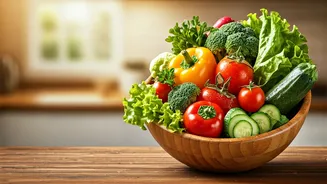

Refreshing Summer Salads
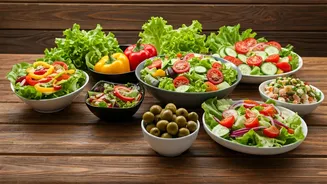
Summer is the perfect time for light, refreshing salads bursting with flavor. One popular choice is the classic Greek salad, featuring juicy tomatoes,
crisp cucumbers, red onions, Kalamata olives, and creamy feta cheese, all tossed in a zesty vinaigrette. Another refreshing option is a Watermelon and Feta salad, where the sweetness of watermelon pairs beautifully with salty feta and a hint of mint. For a vibrant twist, consider a Citrus Salad, combining oranges, grapefruits, and a light lemon dressing for a burst of sunshine in every bite. These salads are not only easy to prepare but also provide essential vitamins and hydration to keep you cool during the hotter months. Experiment with different dressings like balsamic glaze, honey-lime vinaigrette, or a simple olive oil and vinegar mix to customize your salad to your liking. Adding grilled chicken or fish can transform any of these refreshing salads into a more complete meal.
Hearty Grain Salads
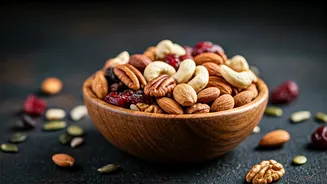
Grain salads offer substance and versatility, making them a satisfying lunch or dinner option. Quinoa, known for its protein content, can be the base for a salad with roasted vegetables like bell peppers, zucchini, and eggplant, complemented by a lemon-herb dressing. Another hearty choice is a Barley Salad, incorporating cooked barley with dried cranberries, toasted nuts, and a maple-mustard vinaigrette. For something different, consider a Farro Salad with sun-dried tomatoes, artichoke hearts, and a sprinkle of Parmesan cheese. These grain salads are incredibly adaptable; you can add grilled chicken, chickpeas, or even tofu to boost the protein and create a complete, balanced meal. Remember to cook the grains until they're tender but not mushy for the best texture. Garnish with fresh herbs like parsley or cilantro for added freshness and flavor. Experiment with different types of grains like brown rice or couscous to find your favorite combinations.
Colorful Veggie Combos
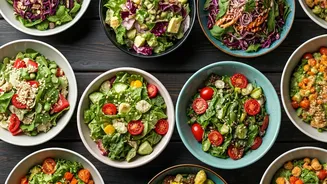
Vegetable-focused salads are a fantastic way to increase your daily intake of vitamins and antioxidants. A vibrant option is a Beet and Goat Cheese Salad, where earthy beets are balanced by creamy goat cheese, toasted walnuts, and a balsamic reduction. A crunchy Broccoli Salad, featuring fresh broccoli florets, bacon bits, red onions, and a creamy dressing, is another favorite. The classic combination of spinach, strawberries, and walnuts, topped with a poppy seed dressing, offers a delightful mix of flavors and textures. Don't be afraid to add variety by incorporating other vegetables such as bell peppers, carrots, and sugar snap peas. The key to a great veggie salad is using a variety of colors to make it appealing to the eye and adding a dressing that complements the ingredients without overpowering them. Consider adding seeds, such as sunflower or pumpkin seeds, for extra crunch and nutrients.
Protein-Packed Salads
Adding protein makes any salad more substantial and satisfying, turning it into a complete meal. A Cobb Salad, traditionally made with grilled chicken, bacon, hard-boiled eggs, avocado, and blue cheese, is a classic choice. A Mediterranean Salad, featuring chickpeas, cucumbers, tomatoes, red onion, and feta cheese, offers a vegetarian option packed with protein. Another great choice is a Tuna Salad, using canned tuna, mixed with celery, red onion, and a light dressing. To make your protein salads even more exciting, you can grill chicken, fish, or shrimp and add them to any green salad. Use a high-quality protein source, and experiment with different dressings that complement the protein you've chosen. Always ensure that your protein is cooked properly and your ingredients are fresh to enjoy a safe and nutritious meal.
Fruit-Infused Delights
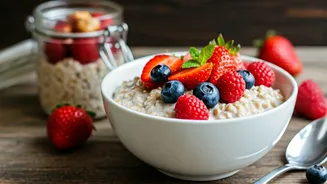
Fruit adds natural sweetness and a refreshing element to salads. A mixed berry salad, featuring strawberries, blueberries, raspberries, and a light vinaigrette, is a simple yet delightful option. A Spinach Salad with mandarin oranges, toasted almonds, and a poppy seed dressing is another flavorful combination. For something more exotic, try a Mango Avocado Salad with a lime dressing. Combining fruits with greens adds fiber and vitamins. Add nuts and seeds for crunch, and a light dressing to tie the flavors together. Be sure to select ripe but firm fruits to prevent your salad from becoming soggy. Fruit salads also make great side dishes and can be a fantastic way to brighten up any meal.
Creamy & Comforting Salads
Sometimes, you crave something a little richer and more comforting. A classic potato salad, featuring boiled potatoes, eggs, celery, and a creamy mayonnaise-based dressing, is a perfect option. A creamy pasta salad, using different pasta shapes with vegetables, cheese, and a creamy sauce, can be quite satisfying. If you're a fan of avocado, try a creamy avocado salad, with chunks of avocado, tomatoes, onions, and a lime dressing. These salads are great choices for potlucks or as a side dish. Control the richness by using light mayonnaise or a combination of yogurt and mayonnaise. Adding fresh herbs like dill or chives will enhance the flavor of your creamy salads. For the best texture, avoid overmixing the ingredients to keep them from becoming too mushy.
Global Flavors Explored
Salads are a great way to explore global cuisines. A Vietnamese Salad Roll, featuring rice noodles, herbs, shrimp, and peanut sauce, offers exotic flavors. A Greek salad with all its traditional components provides a taste of the Mediterranean. A Mexican street corn salad, combining corn, chili powder, lime, and cojita cheese, can bring an authentic taste to your table. Be creative and try adding different spices, dressings, and toppings to create exciting flavor profiles. Experiment with ingredients from various cultures to expand your culinary horizons. Incorporate global flavors into your salads, and you'll find that healthy eating can be both delicious and exciting.
Tips for Great Salads
Building a great salad is all about selecting fresh ingredients and combining them creatively. Always start with high-quality, fresh produce. Wash and dry your greens thoroughly to prevent sogginess. Chop ingredients to a similar size for easy eating and a balanced flavor in each bite. Dress your salad right before serving to keep it from wilting. Use a variety of textures – crunchy, soft, and creamy – to make your salad interesting. Don't be afraid to experiment with different dressings, from simple vinaigrettes to creamy sauces. Adding nuts, seeds, cheese, or croutons gives added depth to your salad. The best salads are those that use seasonal ingredients and showcase the freshest flavors available.
Dressings: Making the Difference
The dressing is crucial to a salad's taste. A classic vinaigrette typically combines olive oil, vinegar, and seasonings. You can make a balsamic vinaigrette by using balsamic vinegar. Create a honey-mustard dressing by mixing honey, mustard, and a bit of oil and vinegar. Experiment with different vinegars, oils, and herbs to create your unique dressings. For creamy dressings, try yogurt-based dressings, mayonnaise-based dressings, or avocado-based dressings. Store your dressing separately and add it just before serving to avoid a soggy salad. Keep in mind that a good dressing should complement, not overpower, the other ingredients. Always taste and adjust your dressing to suit your preferences.
Seasonal Salad Ideas
Using seasonal ingredients is a fantastic way to ensure your salads are at their peak flavor. In the spring, enjoy salads with fresh asparagus, peas, and radishes. Summer is perfect for salads with tomatoes, cucumbers, and berries. In the fall, try salads with apples, pears, and roasted root vegetables. Winter salads can feature citrus fruits, hearty greens, and roasted squash. Following seasonal produce offers the freshest flavors and supports local farmers. Embrace the seasons by trying new salads with fruits and vegetables that are in season, making your meals more interesting and flavorful year-round.
Salad Storage and Prep
Proper storage and prep are essential for maintaining the freshness of your salads. Wash and dry all greens before storing them. Use a salad spinner to remove excess water. Store your greens in an airtight container lined with paper towels to absorb moisture. Chop vegetables right before assembling your salad to prevent them from becoming soggy. Store salad components separately until you're ready to serve. This allows you to mix and match ingredients. Make dressings fresh, and only add them right before serving. Prepping components in advance will help you save time and enjoy fresh salads any time you want.
Salads for Special Occasions
Salads can be elegant and suitable for special events. For a holiday gathering, try a festive salad with seasonal ingredients like cranberries and nuts. Prepare a colorful salad for a potluck, offering a variety of flavors and textures. Create an impressive presentation by layering ingredients or garnishing with edible flowers. If you're hosting a dinner party, prepare a sophisticated salad course. Tailor your salads to your event's theme and make them visually appealing. Consider offering different options to accommodate various dietary preferences.
Salads: Beyond Greens
Salads aren't limited to just lettuce and greens. They can be incredibly versatile, featuring a wide range of ingredients. Use pasta, grains, or beans as a base for hearty salads. Incorporate grilled meats, fish, or tofu to add protein and substance. Experiment with different types of fruits, vegetables, and nuts. Salads can be an excellent way to use leftovers. You can create salads with cooked rice, grilled chicken, or roasted vegetables. Salads are flexible and customizable, allowing you to use your favorite ingredients and express your creativity in the kitchen.
Customizing Your Salads
The beauty of salads lies in their adaptability. Customize your salads to fit your preferences. Adjust the ingredients to meet any dietary requirements or restrictions. Use more or less of any particular ingredient. Modify the dressing to suit your tastes. Consider using a variety of flavors, textures, and colors to elevate your salad experience. Don't be afraid to experiment with new ingredients. Use a combination of ingredients that you love. Remember that the best salads are those that you enjoy most.
Embracing a Healthier Lifestyle
Incorporating salads into your diet can significantly improve your overall health. Salads are packed with essential vitamins, minerals, and antioxidants. Eating salads regularly can help you manage your weight. They are generally low in calories and high in fiber, which promotes satiety and aids digestion. Salads can boost energy levels. By including a variety of colorful vegetables and lean proteins, you can ensure a balanced intake of nutrients. Make salads a regular part of your meals for a healthier and happier you. By focusing on fresh ingredients and creative combinations, you can enjoy delicious, healthy meals every day.