






The Overnight Threat
Many people believe morning teeth brushing is sufficient for oral hygiene, but this overlooks a critical period of vulnerability. When you sleep, your
mouth enters a state of reduced saliva production. Saliva is the body's natural defense, acting as a cleanser that washes away food particles and neutralizes acids produced by bacteria. Without its constant protective action during the night, leftover food debris from the day becomes a breeding ground for these bacteria. As they feast on sugars and starches, they release acids that directly attack your tooth enamel, weakening it over several hours. This prolonged acid exposure, unchecked by saliva, creates an environment ripe for the development of cavities and other dental issues, making nighttime brushing a crucial step in preventing this silent damage.
Is One Brush Enough?
Simply put, brushing your teeth only once a day, particularly in the morning, is insufficient for comprehensive oral care. While a morning brush provides a sense of freshness and removes overnight buildup, it doesn't adequately counteract the damage that occurs during the extended period of inactivity overnight. Plaque, a sticky film of bacteria, begins to reform on your teeth within hours of cleaning. Therefore, if your only brushing session is in the morning, your teeth remain exposed to the harmful activities of plaque and bacteria for the majority of the day and night. From a professional dental standpoint, brushing before bed is considered non-negotiable. This nightly ritual effectively removes the accumulated plaque and food particles from the entire day, significantly reducing the time teeth are subjected to bacterial assault.
Long-Term Dental Woes
Consistently neglecting to brush your teeth before going to sleep can initiate a cascade of escalating dental problems. Initially, this habit might manifest as persistent bad breath and an increased buildup of plaque. However, this plaque doesn't remain soft indefinitely. Over time, it hardens into tartar, a calcified substance that cannot be removed by regular brushing and necessitates professional dental cleaning. If left untreated, the ongoing accumulation of plaque and tartar can lead to more severe oral health conditions, starting with gingivitis, an inflammation of the gums. This can progress to periodontitis, a more advanced and destructive form of gum disease, which can ultimately result in tooth loss. Furthermore, the chronic inflammation associated with severe gum disease has been increasingly linked to systemic health issues, underscoring the broader implications of poor oral hygiene.
Prioritizing Prevention
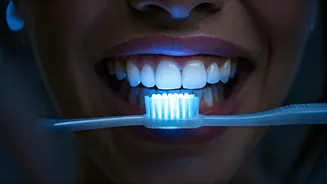
Achieving and maintaining excellent oral health hinges less on occasional intensive cleaning and more on the establishment of consistent, daily habits. The most straightforward and remarkably effective method to safeguard your teeth and gums is to brush twice a day. Crucially, one of these brushing sessions must take place just before you retire for the night. This practice diligently removes the day's collection of food particles and plaque, thereby minimizing the period during which harmful bacteria can flourish and produce damaging acids. Using fluoride toothpaste further enhances this protective barrier, strengthening enamel and making teeth more resistant to decay. By making this simple, twice-daily routine, particularly the nighttime brush, a non-negotiable part of your day, you significantly invest in the long-term health and preservation of your smile.