
FTA: A New Dawn
The India-EU Free Trade Agreement signifies a pivotal moment for Indian exporters, especially those dealing in labour-intensive products. The core aim
of this agreement is to slash import duties, thereby making Indian goods more competitive in the European market. Such a move is expected to alleviate some of the existing trade barriers. It is anticipated that these reductions will stimulate higher export volumes, subsequently boosting the revenue and profitability of businesses involved. The FTA presents a strategic advantage, possibly enabling Indian businesses to widen their market reach within the EU and capitalize on emerging opportunities. This agreement is viewed as a crucial step towards fostering economic cooperation and strengthening trade ties between India and the European Union.
Duty Cuts & Benefits
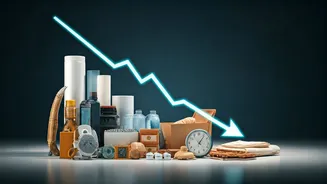
The primary benefit of the India-EU FTA for Indian exporters lies in the reduction of tariffs. By minimizing or completely removing these duties, the agreement ensures Indian products are priced more competitively. This has the potential to enhance the appeal of these goods among EU consumers, thus increasing demand. It is worth noting the focus on labour-intensive goods, as these typically face higher tariffs. The reduction in tariffs will be particularly beneficial for industries like textiles, leather goods, and footwear, where India holds a significant production capacity. The anticipated consequence is an acceleration in export volumes, leading to heightened revenue for Indian exporters and, consequently, generating additional employment within these industries.
Labor Intensive Sector
The labour-intensive sectors are poised to gain the most from the FTA. These sectors, known for their high employment rates, include textiles and apparel, leather products, footwear, and certain agricultural goods. These sectors often encounter substantial tariffs in the EU market, diminishing their competitiveness. The FTA seeks to rectify this by reducing these tariffs, thus facilitating easier market entry and increased sales. For instance, reduced duties on textile exports can make Indian garments more affordable and attractive to European buyers, while similar benefits would be realized for leather goods and footwear. This is expected to stimulate production, provide more employment opportunities, and spur economic growth in these labour-intensive sectors, which are vital for a developing economy.
Expected Surge in Exports
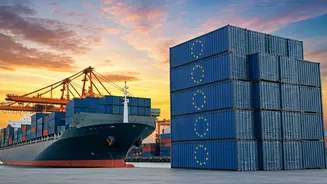
The reduction in import duties is expected to trigger a significant surge in exports from India to the EU. With lower prices, Indian goods will become more accessible to European consumers, which should boost demand. Businesses across several sectors, particularly labour-intensive ones, are anticipating higher order volumes. This increased demand will translate into greater production and, consequently, greater revenue for Indian businesses. Such a growth in exports is not only beneficial for individual companies, but also contributes to the overall economic advancement of the nation by expanding its trade portfolio. This anticipated surge also points towards strengthening India's position in the global trade landscape.
Challenges & Opportunities
While the India-EU FTA presents considerable opportunities, exporters must navigate certain challenges. Businesses should align their products with EU quality standards and regulations to ensure market compliance. Furthermore, competition within the EU market is fierce, requiring Indian businesses to focus on product differentiation and branding. Simultaneously, the FTA provides an avenue for businesses to develop and diversify their product offerings. Exporters can explore new opportunities, such as focusing on specialized goods and premium products, to cater to specific niches within the EU market. Investing in research and development, along with a keen understanding of consumer preferences, is crucial for sustained success. Furthermore, collaboration between the Indian government and industry stakeholders will be vital in harnessing the full potential of the FTA.