





The Science of Shifting Hues
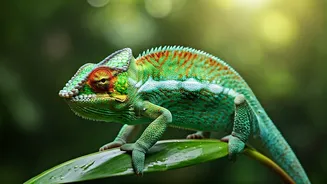
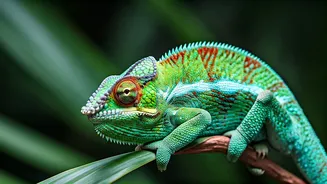
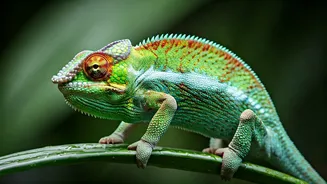
Color change in animals isn't a magical feat but a sophisticated biological process. This transformation is often orchestrated by specialized cells within
the skin, known as chromatophores, or through the manipulation of light-reflecting structures. These mechanisms allow animals to alter their appearance with astonishing speed, serving crucial functions such as blending seamlessly with their surroundings to evade predators or ambush prey. This ability is a testament to the adaptive prowess found in the natural world, enabling creatures to navigate complex environments and social interactions by modifying their visual presentation on demand. It's a dynamic form of communication and defense, finely tuned by evolution.
Cuttlefish: Ocean's Illusionists
Often dubbed the 'chameleons of the sea,' cuttlefish are unparalleled masters of rapid color and pattern alteration. Within mere seconds, they can orchestrate a symphony of hues across their bodies, a display primarily used for evading detection by predators and for creating deceptive strategies to catch their meals. Some researchers even suggest they employ their dazzling visual shows to mesmerize unsuspecting prey before striking. This ability is facilitated by sophisticated networks of chromatophores and iridophores in their skin, allowing for instantaneous adjustments to match the intricate textures and colors of the seabed, making them virtually invisible against diverse backgrounds. Their dynamic displays are not just for camouflage but also for communication within their species, adding another layer to their aquatic artistry.
Flounder: Masters of the Floor
The flounder, a flatfish that inhabits the ocean floor, possesses a remarkable talent for camouflage that allows it to vanish against the varied substrates it calls home. This bottom-dweller can meticulously alter its skin coloration and patterns to mimic the textures and hues of its immediate environment, whether it's the gritty grains of sand, the irregular surfaces of rocks, or the vibrant tapestry of coral reefs. This adaptive coloration is crucial for its survival, providing an effective shield against both predators lurking above and unsuspecting prey swimming nearby. By precisely matching its surroundings, the flounder becomes virtually indistinguishable, a living embodiment of nature's camouflage artistry.
Bearded Dragons' Subtle Shifts
Bearded dragons exhibit a more subtle, yet equally fascinating, form of color change. Their skin can subtly lighten or darken, a physiological response often linked to their internal state and external conditions. For instance, these desert-dwelling lizards may darken their scales when feeling stressed or anxious, possibly as a defensive mechanism to appear less conspicuous or to signal their unease to others. Conversely, they might lighten their coloration when basking in the sun, potentially to better absorb warmth or regulate their body temperature. This chromatic flexibility, though less dramatic than that of cephalopods, plays a significant role in their thermoregulation and social signaling within their arid habitat.
Octopuses: Dynamic Disguises
Octopuses are renowned for their extraordinary ability to instantaneously transform their color and even skin texture. This incredible feat is achieved through densely packed, specialized skin cells called chromatophores, which they can expand or contract at will, along with other light-manipulating cells. Their primary motivations for such rapid changes include blending seamlessly with their environment to evade predators, ambushing unsuspecting prey, and communicating complex messages to other octopuses during social interactions or mating rituals. This sophisticated control over their external appearance makes them some of the most visually dynamic and adaptable creatures in the marine world.
Parrotfish: Shifting Seascapes
Parrotfish display a fascinating range of color changes that are tied to significant life transitions. As these vibrant reef fish mature and grow, their coloration often shifts, reflecting different life stages. Furthermore, some species undergo dramatic chromatic transformations during their mating periods, displaying intensified or altered hues to attract partners. Perhaps most intriguing is their ability to change color when transitioning between sexes, a phenomenon observed in several parrotfish species. This visual dynamism makes them particularly interesting to observe, offering insights into their life cycles, reproductive behaviors, and social dynamics within the coral reef ecosystem.
Tree Frogs' Verdant Variety
Certain species of tree frogs possess the remarkable ability to alter their skin coloration, enabling them to adapt to a variety of forest environments. They can transition between shades of green, brown, and even yellow, effectively camouflaging themselves against foliage, bark, or leaf litter. This capacity is vital for their survival, providing them with an essential tool to evade predators that hunt by sight. By matching their surroundings, these arboreal amphibians can remain hidden and secure, showcasing how even subtle color shifts can offer a significant survival advantage in their complex, visually diverse habitats.