






Decoding Your Pores
Pores are minute openings on our skin, crucial for releasing natural oils (sebum) and sweat. This process is vital for skin hydration, temperature regulation,
and overall skin health. However, when pores become enlarged or blocked, they can lead to cosmetic concerns and skin issues that necessitate a targeted skincare approach. The primary challenge lies in accurately identifying the type of pore problem you're dealing with, as the solutions differ significantly for each. Understanding the root causes and visual cues will empower you to choose the right treatments for your unique skin needs and achieve optimal results.
Understanding Open Pores
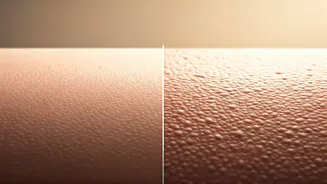
Open pores, often referred to as enlarged pores, are visibly larger than usual and appear as tiny openings or small indentations on the skin's surface. These are commonly found on the cheeks, forehead, and nose, areas prone to excess sebum production. A greasy or overly shiny complexion often accompanies them, and blackheads are a frequent culprit. Blackheads occur when oil and dead skin cells within the pore become exposed to air and oxidize, turning black. Various factors contribute to the enlargement of pores, including genetics, environmental damage from sun exposure that degrades skin elasticity, an overproduction of sebum, and the natural aging process which diminishes skin firmness. Product build-up from cosmetics can also exacerbate their appearance.
Identifying Closed Pores
Conversely, closed pores are essentially blocked pores, often concealed by a thin layer of skin, which traps sebum and prevents it from reaching the surface. Instead of visible holes, you'll typically notice small bumps beneath the skin. These can manifest as whiteheads or closed comedones, giving the skin a rough and uneven texture. This condition arises when excess oil gets trapped, dead skin cells accumulate, hormonal fluctuations occur, or from the overuse of heavy skincare products that don't allow the skin to breathe. The texture change is a key indicator of trapped pores, signaling a need for treatments that promote exfoliation and clear obstructions.
Managing Open Pores
To effectively manage enlarged pores, a consistent and gentle skincare routine is key. Begin by cleansing your face twice daily with a mild cleanser to wash away excess oil without stripping the skin. Incorporate ingredients like salicylic acid or niacinamide into your routine, as they are excellent for regulating sebum production and minimizing pore appearance. Applying clay masks, such as multani mitti, a couple of times a week can help absorb excess oil and impurities. Crucially, always wear sunscreen; UV rays degrade collagen and elastin, the proteins that keep skin firm, thus exacerbating pore visibility. A broad-spectrum SPF will protect your skin's elasticity and prevent further pore enlargement.
Treating Closed Pores
Addressing closed pores requires a focus on exfoliation and promoting cell turnover. Daily exfoliation using chemical exfoliants like Alpha Hydroxy Acids (AHAs) and Beta Hydroxy Acids (BHAs) is highly recommended to slough off dead skin cells and prevent blockages. Avoid heavy creams and occlusive products that can contribute to pore congestion. Introducing retinoids into your regimen can significantly boost skin cell turnover, helping to clear out trapped pores. Maintaining a diligent cleansing routine is also essential to prevent product build-up. For a natural approach, DIY remedies like applying curd can be beneficial; its lactic acid acts as a gentle exfoliant while also soothing the skin, aiding in the removal of dead skin cells and improving overall skin texture.