
Fueling Your Body
Our bodies run on the fuel we provide, which comes in the form of nutrients. The primary nutrients our bodies need are carbohydrates, proteins, and fats,
all essential for energy, growth, and repair. Carbohydrates are the main energy source, easily broken down into glucose for immediate use or stored as glycogen for later. Proteins, crucial for building and repairing tissues, are made up of amino acids, and fats, essential for hormone production and nutrient absorption, provide energy and protect vital organs. Each nutrient plays a specific role: carbs provide energy, proteins build and repair, and fats support various bodily functions. A balanced intake of these three macronutrients is fundamental to overall health and well-being.
Vitamins and Minerals
Vitamins and minerals, though needed in smaller amounts than the macronutrients, are still essential for various bodily functions. Vitamins are organic compounds that support metabolic processes, while minerals are inorganic substances needed for structural and regulatory functions. Vitamins are categorized into water-soluble and fat-soluble. The former, like Vitamin C and B complex, are easily absorbed but not stored in the body, requiring regular intake. The latter, such as Vitamins A, D, E, and K, are stored in body fat and absorbed with dietary fats. Minerals include calcium, iron, and potassium, each critical for bone health, oxygen transport, and electrolyte balance. A diverse diet ensures you get a wide range of these micronutrients, supporting optimal health and preventing deficiencies.
The Indian Diet
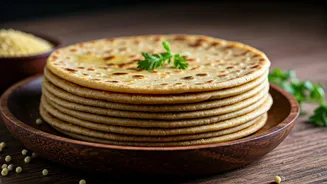
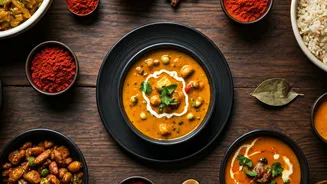
The Indian diet, known for its diversity and regional variations, has unique nutritional considerations. Staple foods vary across the country, from rice and wheat to millets, each contributing unique nutrients. Traditional Indian meals often include a mix of grains, pulses, vegetables, and dairy products. However, the prevalence of refined carbohydrates, excessive salt, and saturated fats in some modern diets presents nutritional challenges. The preparation methods, such as deep-frying, and the emphasis on certain food groups can affect the overall nutrient profile. To ensure a balanced diet, it's essential to understand the nutritional content of common Indian foods and make informed choices to meet daily nutrient requirements.
Common Dietary Challenges
Several dietary challenges are prevalent in the Indian population. High carbohydrate intake, often from refined grains, is common. Likewise, excessive consumption of unhealthy fats, especially in fried foods, can contribute to heart issues. Sodium intake is frequently above recommended levels due to the liberal use of salt in cooking and processed foods. Deficiencies in vitamins and minerals, particularly iron and vitamin D, are common, affecting women and children. Addressing these challenges requires adopting mindful eating habits. Choosing whole grains over refined ones, using healthier cooking methods, limiting processed foods, and incorporating nutrient-rich options like fresh fruits, vegetables, and lean proteins can help mitigate these issues and improve overall dietary quality, promoting better health.
Building a Balanced Diet
Building a balanced diet tailored to the Indian context involves several key strategies. Prioritizing whole, unprocessed foods like whole grains, pulses, and fresh produce is important. Incorporating a variety of colorful fruits and vegetables provides a wide spectrum of vitamins and minerals. Including lean protein sources such as legumes, lentils, and low-fat dairy, as well as moderate amounts of healthy fats like those from nuts, seeds, and certain oils, is important too. Mindful portion control and balanced meal planning can also help manage calorie intake and ensure a good distribution of macronutrients. Regular consumption of foods prepared in healthy ways, such as steaming or grilling, and minimizing fried and processed foods further contribute to achieving a balanced diet that supports overall well-being.