






The Gut-Brain Connection
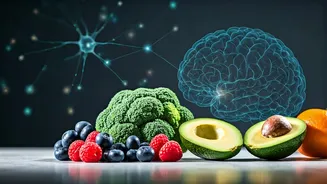
The intricate relationship between your gut and brain, known as the gut-brain axis, is profoundly influenced by your diet. A diverse and healthy gut microbiome,
fostered by adequate fiber intake, is essential for producing vital neurotransmitters like serotonin and dopamine, with nearly 90% of the body's serotonin originating in the gut. When fiber consumption is insufficient, the beneficial bacteria in your gut dwindle, leading to increased inflammation and a compromised gut-brain connection. This disruption can manifest as various issues, including heightened stress, anxiety, depression, sleep disturbances, and mental fogginess. Experts emphasize that adults should aim for a daily intake of 25 to 35 grams of fiber, accompanied by ample water, to support this crucial connection and enhance overall well-being.
Fiber's Role Explained
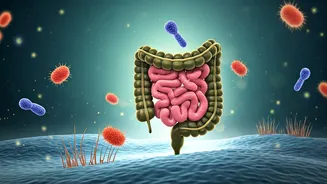
Dietary fiber is a fundamental component for maintaining a flourishing gut ecosystem. Unlike other nutrients, fiber is not fully digested in the small intestine. Instead, it journeys to the colon, where it undergoes fermentation by beneficial gut bacteria. This fermentation process yields short-chain fatty acids (SCFAs) such as butyrate, acetate, and propionate. These SCFAs are not only vital for the health of colon cells but also play a significant role in modulating the immune system and reducing inflammation throughout the body. A high-fiber diet promotes regularity, prevents constipation, and contributes to a feeling of fullness, all of which are crucial for digestive comfort and systemic health.
Raspberries: Berry Powerhouses
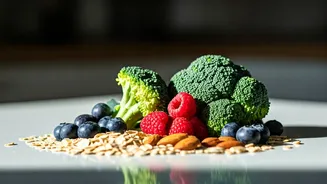
Raspberries stand out as exceptional sources of dietary fiber, particularly rich in pectin, a type of soluble fiber that acts as a prebiotic. Prebiotics are substances that fuel the beneficial bacteria in your gut, promoting their growth and activity. Beyond their fiber content, raspberries are packed with potent antioxidants that help combat oxidative stress, a factor linked to inflammation and various chronic diseases. Including these vibrant berries in your daily diet, perhaps by adding them to your morning yogurt or tossing them into salads, can significantly contribute to a balanced gut microbiome and overall health. Their unique combination of fiber and antioxidants makes them a top choice for gut-loving nutrition.
Guava: Tropical Gut Friend
This exotic tropical fruit, guava, is a nutritional champion when it comes to fiber. Guava offers a substantial amount of both soluble and insoluble fiber, which are essential for optimal digestive function. Soluble fiber forms a gel-like substance in the digestive tract, which helps to slow down digestion, promoting satiety and helping to regulate blood sugar levels. Insoluble fiber adds bulk to stool, facilitating regular bowel movements and preventing constipation. By incorporating guava into your diet, you are providing your gut with the necessary fuel to support a thriving microbial community, contributing to reduced inflammation and improved gut health. Its unique texture and sweet taste make it a delightful addition to any meal or snack.
Artichokes: Fiber Royalty
Artichokes are a true gem for gut health, often lauded as 'fiber royalty' due to their impressive fiber content, especially inulin. Inulin is a powerful prebiotic that specifically nourishes bifidobacteria, a group of beneficial bacteria crucial for maintaining a balanced gut flora. The consumption of artichokes has been linked to enhanced gut health and potentially reduced symptoms associated with Irritable Bowel Syndrome (IBS), partly due to their antioxidant properties which help mitigate inflammation. Enjoying steamed artichoke hearts in salads or as a standalone appetizer is a delicious way to introduce this gut-friendly vegetable into your meals and reap its numerous digestive and anti-inflammatory benefits.
Sweet Potatoes: Gut's Probiotic Mimic
Sweet potatoes, particularly the varieties with vibrant orange flesh and their skins intact, are a fantastic source of resistant starch. This type of starch functions similarly to probiotics, resisting digestion in the small intestine and reaching the colon intact. Once in the colon, it serves as a food source for beneficial gut bacteria, promoting the production of butyrate. Butyrate is a key short-chain fatty acid known for its significant anti-inflammatory effects within the gut. Preparing sweet potatoes by baking or air-frying them into wedges allows you to retain their nutritional value and benefit from their unique gut-nourishing properties, making them a versatile and healthy addition to your diet.