



What's Inside Ghee?
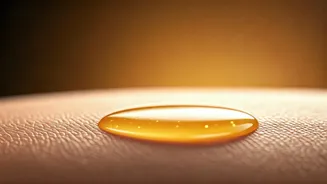
Beyond its kitchen uses, pure ghee, especially from grass-fed sources, is a potent skin nutrient. Its efficacy stems from its rich lipid profile, featuring
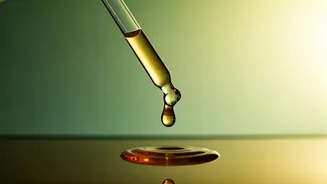
key components like butyric acid. This short-chain fatty acid acts as an anti-inflammatory agent, effectively calming redness and irritation associated with conditions like eczema and rosacea. Ghee also contains conjugated linoleic acid (CLA) and fat-soluble vitamins, such as Vitamin E and A. Vitamin E combats oxidative stress by neutralizing free radicals caused by sun exposure, which can lead to premature aging and collagen breakdown. Vitamin A, on the other hand, plays a crucial role in the maturation and health of skin cells, contributing to a more robust outer skin layer. This natural cocktail offers a biocompatible approach to skin nourishment and repair.
The Ultimate Barrier Repair
Ghee offers superior skin barrier support, especially for those exposed to dry indoor environments. Unlike synthetic occlusives that merely form a superficial layer, ghee's molecular structure closely resembles human sebum. This allows it to penetrate the skin's natural lipid matrix, actively replenishing depleted lipids and reinforcing the stratum corneum. The result is a significant reduction in transepidermal water loss (TEWL), providing deep, structural hydration without a heavy or occlusive feeling. Furthermore, ghee creates an optimal, moist micro-environment conducive to accelerated tissue regeneration. This protective lipid seal aids in the faster healing of minor abrasions and blemishes, promoting overall skin recovery.
The Magic of Washed Ghee
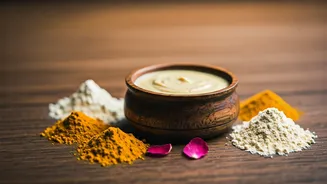
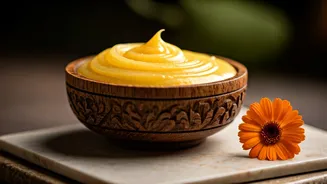
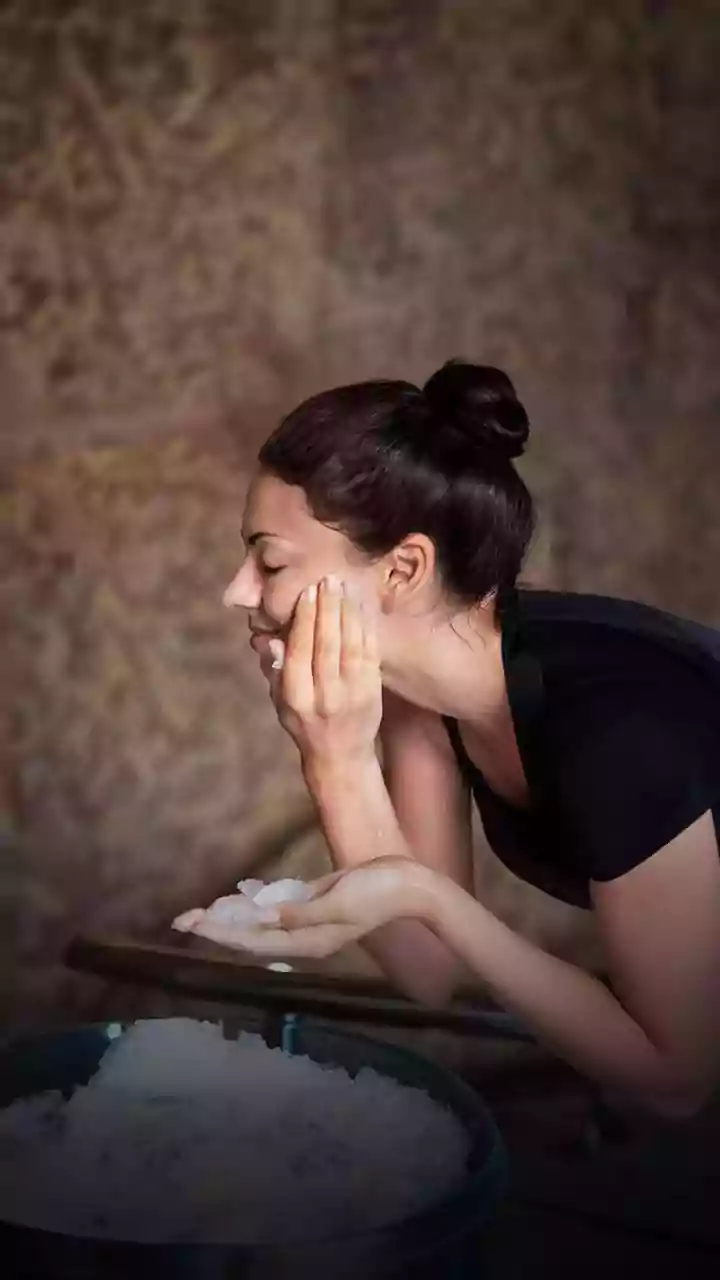
For those concerned about the traditional scent of ghee, a refined preparation known as Shata Dhauta Ghrita, or washed ghee, offers a revolutionary solution. This ancient Ayurvedic technique involves meticulously washing pure ghee with purified water and agitating it in a copper vessel, often up to 100 times. Scientifically, this process hydrolyzes the lipids, breaking down complex fats into simpler fatty acids and glycerol. The transformation is remarkable: the greasy texture vanishes, leaving behind an odorless, exceptionally lightweight mousse. This altered 'molecular ghee' exhibits enhanced penetration into deeper dermal layers and a drastically reduced comedogenic rating, making it suitable for a broader range of skin types without the risk of pore-clogging.
Important Considerations
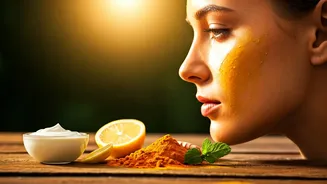
Before incorporating ghee into your skincare routine, understanding its proper application is vital to avoid potential adverse effects. Unwashed ghee, due to its dense nature, can exacerbate acne or oily skin by trapping sebum and dead cells, making it best suited for severely dry or xerosis-prone skin types. Visible results, such as fading hyperpigmentation, are not instantaneous; they manifest over the skin's natural 28-day epidermal renewal cycle, requiring consistent application to achieve. Lastly, the source of ghee is paramount. For the optimal concentration of beneficial compounds like butyrate and omega-3s, opt exclusively for pure, grass-fed A2 ghee, as standard butter yields a less potent product. Adhering to these guidelines ensures you harness ghee's full dermatological potential effectively.