






Your Internal Clock
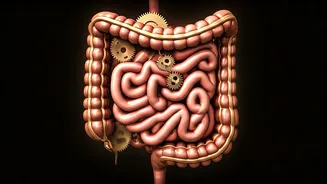
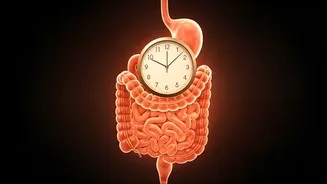
Our bodies are governed by an intricate 24-hour internal timing system known as the circadian rhythm. This biological clock, housed in a tiny area of the brain,
orchestrates a multitude of physiological processes, including our sleep-wake cycles, hormone secretion, and even our hunger cues and motivations. Gastroenterologists highlight that this master clock dictates when various hormones are released and become active. For instance, hormones vital for digestion are programmed to be most active during daylight hours, rising with the sun and winding down as it sets. Conversely, hormones responsible for cellular repair and recovery are designed to kick in during our sleep, peaking in the middle of the night to mend and restore our bodies after a day's activity.
Consistency is Key
While many have heard that an early dinner, around 6 pm, is biologically ideal, the prevailing wisdom from medical experts is that consistency in your eating schedule holds more significance than the exact hour you dine. For individuals with demanding work lives or unpredictable evening schedules, adhering to a strict early dinner can be impractical. The crucial takeaway is to establish a predictable pattern for when you eat your evening meal. This regularity allows your body to anticipate digestive processes, thereby optimizing hormone function and nutrient absorption. Aligning your meal times with your personal lifestyle and sleep schedule, while maintaining a consistent dinner window, supports better digestive health even if that meal occurs later in the evening.
The Dinner-Sleep Gap
A common recommendation for promoting healthy digestion and preventing sleep disturbances is to maintain a substantial time gap between your last meal and bedtime. Experts suggest aiming for at least a two to three-hour window. This interval provides your digestive system adequate time to process the food you've consumed, reducing the likelihood of discomfort such as acid reflux or bloating that can disrupt sleep. When food is consumed too close to sleep, the body is still actively working to digest while it should be preparing for rest, leading to an inefficient metabolic state and potentially poor sleep quality. Allowing this buffer period ensures your body can transition smoothly from digestion to rest and repair.
Lighter Evening Meals
For those whose schedules necessitate a later dinner, the type and composition of the meal become particularly important. Opting for lighter, easily digestible foods can significantly mitigate potential digestive issues. Meals rich in fiber, with a moderate amount of protein and lower in heavy fats or deep-fried ingredients, are generally better tolerated in the evening. Large portions, intensely spicy dishes, or excessive sugar consumed close to bedtime can exacerbate acid reflux and interfere with sleep. By making mindful choices about what you eat in the evening, you can further support your digestive well-being and ensure a more restful night, even with a later mealtime.