






Topical Products' Limits
Many individuals seeking solutions for hair loss are drawn to readily available topical products like scalp oils, serums, and thickening shampoos. While
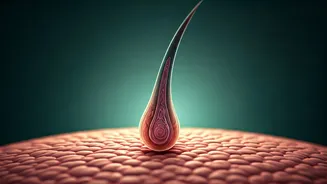
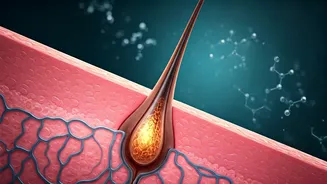
these items can enhance the appearance of existing hair or improve scalp conditions, they fundamentally do not address the intricate biological processes that govern hair regrowth. Hair growth originates from follicles deeply embedded within the scalp, influenced by complex hormonal signals and cellular activity. Standard haircare products, due to their formulation and application methods, rarely penetrate to this crucial level. Shampoos, in particular, have a very brief contact time with the scalp—often mere seconds—making significant absorption highly improbable. Even leave-on serums and oils, though offering longer exposure, typically remain on the surface without the necessary mechanisms to stimulate follicular regeneration or counteract the underlying causes of thinning hair. Dr. Debraj Shome highlights that without interventions designed to reach and positively influence the hair follicle's biological functions, the impact on actual hair loss is minimal and superficial, failing to tackle issues like hormonal imbalances, nutritional deficiencies, or stress-induced thinning.
Inconsistency in PRP
Platelet-rich plasma (PRP) therapy has emerged as a notable clinical option for hair loss, leveraging a patient's own blood components to encourage growth. However, a significant drawback of this treatment lies in its inherent variability. The concentration of crucial growth factors within PRP can fluctuate considerably from one individual to another and even between different treatment sessions for the same person. This inconsistency makes it challenging to achieve reliable and predictable outcomes, a critical factor when managing progressive hair loss conditions such as androgenetic alopecia or telogen effluvium. The unpredictable nature of PRP means that while it can sometimes yield positive results, there is no guarantee of success or the ability to replicate those results consistently over time, which can be a source of frustration for patients seeking dependable solutions for their hair loss concerns.
Predictable Growth Factors
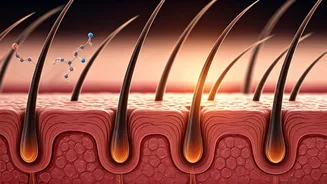
In contrast to the unpredictable nature of PRP, treatments that utilize growth factors offer a more standardized and controlled approach to hair restoration. These advanced therapies deliver a carefully calibrated mixture of biomimetic peptides and growth factors directly to the scalp. The precise formulation ensures a consistent delivery of essential components, leading to more reproducible and predictable results. This consistency is paramount for effectively managing chronic and progressive hair loss conditions. By providing a standardized biological stimulus, these treatments can more reliably influence follicular activity and promote healthier hair growth. The scientific precision behind these growth factor-based treatments allows for a targeted intervention that addresses the biological underpinnings of hair loss, offering a clearer path toward sustained and visible improvements compared to treatments with variable efficacy.
Diagnosis is Key
Effective management of hair loss hinges on a foundational step: accurate diagnosis of the underlying cause. Without understanding precisely why hair is thinning—whether it's due to hormonal imbalances, inadequate nutrition, chronic stress, or other factors—any treatment approach is essentially a shot in the dark. Dr. Shome emphasizes that a personalized treatment plan, tailored to the specific diagnosis, is essential for achieving meaningful and lasting results. While supportive topical products can play a role in maintaining scalp health and enhancing the appearance of hair, they are not a substitute for medical intervention when required. True hair growth is a complex biological process, and addressing it effectively demands moving beyond superficial cosmetic solutions. It necessitates a science-backed approach that targets the root cause, ensuring that interventions are aligned with the body's biological needs for robust hair regeneration.