





The Rise of Purple
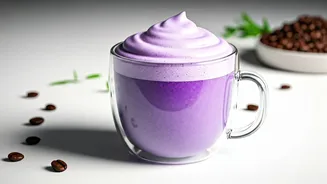
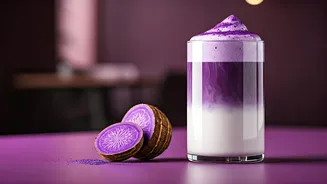
Instagram feeds have been awash with a captivating pastel purple hue, courtesy of the ube coffee trend. This visually arresting beverage has rapidly ascended
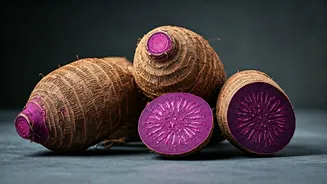
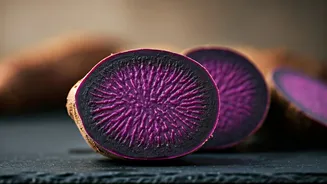
to become a significant talking point in the café scene. Originating from Filipino culinary traditions, ube, also recognized as purple yam, is a root vegetable celebrated for its inherent sweetness, striking violet colour, earthy undertones, and smooth texture. While historically a staple in desserts like cakes, ice cream, and the beloved halaya, ube has now found an unexpected home in coffee culture, transforming typical lattes into photogenic purple concoctions. The question arises: beyond its aesthetic appeal, does ube coffee deliver on health, or is it merely a fleeting social media sensation fueled by its photogenic qualities and widespread online promotion?
Nutritional Nuances
While ube itself offers beneficial compounds like fibre and antioxidants, which contribute positively to digestive well-being and overall health, its incorporation into coffee requires careful consideration. Dieticians emphasize that the current popularity is largely propelled by its vibrant purple appearance and strong social media marketing, rather than solely its nutritional prowess. Although ube can contribute some nutrients, it's crucial not to perceive it as a miraculous superfood. In modest quantities, it can indeed enhance the nutritional profile of a drink. However, its status as a healthful ingredient is significantly influenced by how it is prepared and consumed within the context of a coffee beverage.
Healthier Than It Looks?
The potential for ube coffee to be a healthier alternative to standard flavoured coffees hinges critically on its preparation method. When made with pure ube, it can indeed provide valuable fibre and antioxidants, offering a definite advantage. The real challenge emerges when cafés transform ube coffee into a dessert-like indulgence. Many commercially prepared ube coffees are loaded with added sugars, artificial syrups, and rich creams. If these components are present in high amounts, the beverage loses much of its healthy distinction and becomes comparable to other high-calorie, sugar-laden flavoured coffees. Ultimately, the health benefits are directly tied to the ingredients and proportions used in its creation.
Diabetes and Ube
A common misconception is that ube coffee is automatically suitable for individuals with diabetes due to the natural sweetness of ube. However, health experts clarify that the suitability depends entirely on the final composition of the drink. It is strongly advised to consume ube coffee in moderation, as the addition of sugar, cream, and milk can significantly elevate calorie counts and blood sugar levels. For those managing diabetes or monitoring their weight, paying close attention to both the ingredients and the portion size is paramount. Opting for a low-sugar variant and practising portion control are recommended strategies for enjoying this trend responsibly.
Ube vs. Matcha
When contrasting ube coffee with matcha, another popular wellness café staple, matcha generally holds a superior nutritional standing. Matcha is recognized for its more extensively documented health advantages, being rich in antioxidants and potentially aiding metabolism. While ube does offer fibre and some antioxidants, its health benefits are considered less pronounced and less scientifically validated in comparison to matcha. Therefore, when weighed against each other, matcha typically emerges as the slightly more advantageous choice from a health perspective, offering a more robust nutritional profile.