


Growth vs. Appearance
It's a common misconception that cutting your hair makes it grow faster. In reality, hair growth originates from the scalp, not the ends. However, regular
haircuts play a significant role in how healthy, robust, and vibrant your hair appears. This distinction is key to understanding the value of consistent trims. While skipping haircuts won't speed up the rate at which your hair emerges from the follicle, it can dramatically impact the length you're able to retain by preventing damage from progressing up the hair shaft. Therefore, timing your salon visits wisely is essential for achieving the appearance of faster or more effective growth.
The Science of Hair Growth
On average, human hair elongates by approximately 1 to 1.5 centimeters each month. Over the course of a year, this can translate to a total growth of about 12 to 15 centimeters, provided your hair is in optimal health. This growth rate isn't static and can be influenced by a variety of factors, including your genetic predisposition, dietary habits, hormonal balance, stress levels, and the specific hair care practices you employ. It's important to note that while the biological growth rate is largely determined by these internal and external elements, the amount of length you actually get to keep is heavily influenced by the condition of your hair's ends.
Why Trims Matter
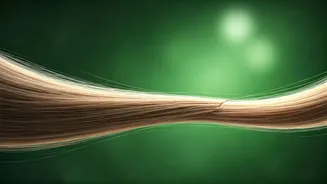
Consider your hair like delicate threads; over time, the ends naturally become worn, leading to split ends, dryness, and brittleness. If these damaged ends are left untreated, the split can travel further up the hair shaft. This progressive damage results in thinner hair towards the bottom and increased breakage, ultimately causing you to lose length. Even if your hair is growing from the root, these issues can make it seem like it's not growing at all. Regular trims act as a preventative measure, removing these frayed ends before they can cause more significant damage and helping you preserve the length you've worked hard to grow.
Ideal Trimming Schedules
The frequency of your haircuts should be tailored to your specific hair type, your aspirations for length, and your styling routine. For individuals actively aiming to grow their hair out, a trim every 10 to 12 weeks (approximately 2.5 to 3 months) is generally recommended. This interval allows for the removal of compromised ends without sacrificing much progress. If your hair is significantly damaged or has undergone chemical treatments like coloring or bleaching, it's more susceptible to breakage, making more frequent trims every 6 to 8 weeks essential for protection. Those with short or intricately styled haircuts may need trims as often as every 4 to 6 weeks to maintain their shape. Curly or textured hair, while potentially hiding split ends better, still benefits from maintenance every 8 to 12 weeks to ensure definition and health.
Consequences of Skipping Trims
Many people mistakenly believe that avoiding haircuts altogether is the fastest route to longer hair. However, this approach often leads to the opposite outcome. When trims are skipped, hair ends can become excessively dry, frizzy, and prone to tangling, resulting in increased breakage. This damage can make your hair appear uneven and thin, eventually necessitating a much more substantial cut to repair the harm. Instead of achieving length, you may find yourself needing to cut off more hair than you would have if you had maintained regular, smaller trims. This illustrates how neglecting split ends can ultimately sabotage your length retention goals.
Signs You Need a Trim
Your hair often provides clear signals when it's time for a visit to the salon. Pay attention to these common indicators of damage. The most obvious sign is the presence of split ends, which appear as tiny forks at the tips of your hair strands. You might also notice your hair feeling rough, straw-like, or experiencing excessive tangling. A loss of natural shine and ends that appear thin or almost see-through are further clues that your hair needs attention. If you're observing any of these signs, it's a strong indication that a trim is overdue and will help restore your hair's health and appearance.
Actual Growth Boosters
To truly encourage faster and healthier hair growth, the focus should shift from the ends to the scalp and overall well-being. Optimal nutrition is paramount; ensure your diet is rich in protein, iron, and essential vitamins, found in foods like eggs, nuts, leafy greens, and fruits. Prioritizing scalp health is equally important; a clean scalp and gentle massage can stimulate follicles. Minimizing heat styling, which weakens the hair shaft and leads to breakage, is crucial. Furthermore, handling your hair gently, avoiding tight hairstyles and rough brushing, and managing stress levels can all contribute positively to your hair's growth cycle and overall vitality.