






Dairy's Developmental Power
Dairy products, including milk, yogurt, and cheese, are foundational for fostering brain tissue growth in children. These foods deliver vital nutrients
that aid in the physical development of the brain. Yogurt, in particular, offers beneficial probiotics that contribute to a healthy gut microbiome. The intricate connection between the gut and the brain underscores the importance of good digestive health for optimal cognitive development. Incorporating dairy into a child's daily diet ensures they receive the necessary building blocks for brain maturation. A simple glass of milk, yogurt mixed with fruit, or cheese as a snack can be a delicious way to support their brain's journey.
Fatty Fish: Omega-3 Powerhouse
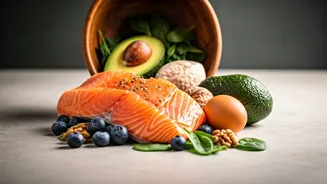
Fatty fish varieties like salmon, tuna, and sardines are rich in omega-3 fatty acids, which are indispensable for a child's brain development. These healthy fats are crucial for building the brain's structure, directly impacting learning capabilities. Furthermore, the omega-3s found in these fish are instrumental in enhancing a child's concentration. Serving fatty fish as a regular meal option provides essential nutrients vital for developing a healthy and high-functioning brain. Whether prepared as a grilled dish, incorporated into a curry, or served as crispy cutlets, these fish offer a nutritious and palatable way to support cognitive growth.
Leafy Greens for Brain Protection
Leafy green vegetables, such as spinach, kale, and broccoli, are nutritional powerhouses offering vitamins and minerals that play a critical role in safeguarding brain tissues. While children might sometimes be hesitant to eat them, these greens can be cleverly integrated into their meals. This not only ensures they receive the protective nutrients but also helps cultivate healthy eating habits for the long term. Consistent consumption of leafy greens can positively influence memory and sharpen concentration, contributing to better academic performance and overall cognitive agility.
Eggs: Choline for Cognition
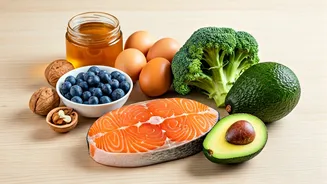
Eggs stand out as one of the most beneficial foods for a child's brain, offering significant advantages for cognitive function. They provide sustained nourishment and energy, and crucially, contain choline. This essential nutrient plays a pivotal role in the proper functioning of the child's brain by supporting the development of neurotransmitters. These chemical messengers are vital for communication within the brain. Including eggs in a child's breakfast can offer them the energy and nutrients needed for effective learning throughout the day, making them a smart start to their cognitive journey.
Berries: Antioxidant Boosters
Berries like strawberries, blueberries, and blackberries are packed with antioxidants, which are essential for protecting a child's developing brain. These powerful compounds help improve memory recall and enhance overall brain performance. Beyond their antioxidant benefits, berries also contribute valuable vitamin C and fiber, supporting a child's overall healthy lifestyle. Their natural sweetness and vibrant colors make them an appealing choice for kids, encouraging them to embrace healthier eating habits. Adding berries to breakfast or snacks can make meals more exciting while simultaneously boosting brain health and satisfying a child's craving for something sweet.
Whole Grains: Sustained Energy
Whole grains are crucial for providing children's brains with a consistent and steady supply of energy, enabling them to remain active and focused throughout their day. Foods like oats, brown rice, and whole wheat bread deliver a reliable source of glucose, which is the brain's primary fuel. This steady energy flow helps children stay alert and engaged, which is vital for the learning process. The brain requires a constant influx of energy to perform its complex functions effectively, and whole grains are an excellent source to meet this demand, keeping young minds energized and ready to absorb new information.
Nuts and Seeds: Healthy Fats
Nuts and seeds are excellent sources of healthy fats, vitamin E, and antioxidants, all of which are vital for maintaining a robust and healthy brain. These food items, including almonds, walnuts, flaxseeds, and sunflower seeds, provide essential fatty acids critical for the cognitive development of young children. For toddlers where choking is a concern, nuts can be safely introduced as powders or pastes, and nut butters can be spread on toast or blended into smoothies and porridge. These nutrient-dense foods significantly contribute to improving children's concentration, bolstering memory, and enhancing overall brain performance.