





Fuel Crisis Hits Eateries
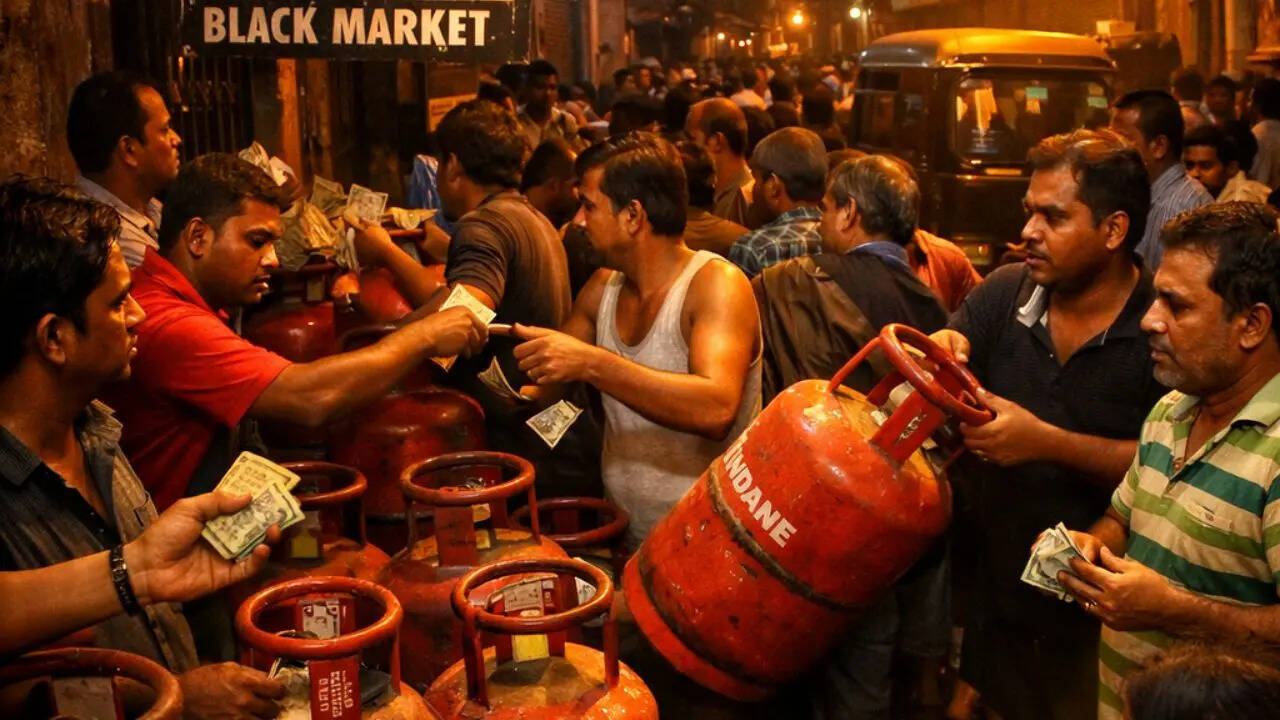
The heart of Kolkata's culinary landscape is facing an unprecedented challenge with a severe scarcity of commercial Liquefied Petroleum Gas (LPG). This
critical fuel, essential for daily cooking, has become increasingly difficult for the city's numerous restaurants to procure. Industry leaders are expressing grave concerns that if the supply chain issues are not rectified swiftly, the very continuity of their businesses will be jeopardized. This predicament is not isolated to Kolkata; similar alarming reports are emerging from other major Indian cities like Bengaluru and Chennai, where eateries are already warning of potential operational halts due to depleted LPG reserves. The National Restaurants Association of India (NRAI) has highlighted the sector's deep reliance on commercial LPG, emphasizing that any prolonged interruption in its availability could lead to extensive business closures and significant economic fallout for a sector that is a major employer and contributor to the economy.
Immediate Disruption Looms
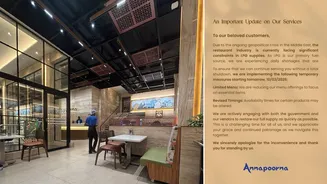
Piyush Kankaria, the head of the NRAI's Kolkata chapter, painted a stark picture of the current situation, revealing that the city is home to approximately 5,000 restaurants. A recent internal assessment among its members indicated that a substantial portion of these establishments are already running critically low on cooking gas. According to Kankaria's survey, around 40 percent of restaurants anticipate immediate operational disruptions, with an additional 30-40 percent stating they can sustain operations for only a few more days due to their limited current stock. The situation took a turn for the worse when the supply of LPG cylinders specifically designated for commercial establishments reportedly ceased entirely on Tuesday. This complete halt in deliveries has prompted the NRAI to escalate its efforts, actively seeking government intervention to find a resolution and restore the much-needed fuel flow to the industry.
Government Intervention Sought
In response to the burgeoning crisis, the government has undertaken measures to reallocate domestically produced natural gas, prioritizing sectors crucial for cooking and transportation. This revised allocation strategy aims to ensure that the cooking gas (LPG) and transport sectors receive their full requirements before other industries are supplied. The rationale behind this decision is to safeguard uninterrupted supply chains for essential energy needs. The escalating geopolitical situation in West Asia has been identified as a primary driver behind the disruption in energy supplies. Consequently, the government has reduced gas allocation to sectors such as petrochemicals, redirecting these resources to guarantee 100 percent of the fuel needed for producing cooking gas LPG, as well as Compressed Natural Gas (CNG) for automobiles and piped cooking gas for households. The NRAI has formally communicated its concerns by writing to Union Petroleum and Natural Gas Minister Hardeep Singh Puri, urgently requesting his intervention to secure the consistent supply of commercial LPG cylinders to the restaurant industry.
Industry's Vital Role
The NRAI's appeal underscores the immense significance of the restaurant industry within the Indian economy. The association highlighted that the sector comprises over 5 lakh establishments nationwide, generating an impressive annual turnover of approximately Rs 5.7 lakh crore and providing employment to more than 8 million individuals. The very foundation of these operations rests heavily on the uninterrupted availability of commercial LPG for their daily functioning. Any disruption in this vital fuel supply would inevitably have severe repercussions, impacting not only the businesses themselves but also the vast number of citizens who rely on restaurants for their daily meals. This includes students, residents of hostels, and working professionals for whom restaurants often serve as a primary source of sustenance.
Availability Over Price
Sudesh Poddar, secretary of the Hotel and Restaurant Association of Eastern India, echoed the sentiments of the NRAI, emphasizing that the immediate priority for the hospitality sector is the sheer availability of LPG rather than its cost. Poddar stated that the current worry is less about the price point and more about securing a consistent supply of the fuel essential for day-to-day operations. Industry insiders suggest that if this shortage persists for an extended period, it could have a detrimental impact on thousands of eateries operating within Kolkata's dynamic hospitality sector, potentially affecting countless employees. Furthermore, the precarious situation extends to the numerous small and roadside food vendors who cater to office-goers and daily wage laborers, often operating on minimal profit margins. Their livelihoods are particularly at stake, as a sustained LPG shortage could force many to cease their businesses, adding another layer of socio-economic concern to the crisis.