






The Hidden Thirst
While we often link dehydration to scorching heat or illness, even a mild deficit in water intake can significantly impact a child's daily life. This growing
concern, known as the "hydration gap," signifies the disparity between the water children should consume and what they actually drink. Today's fast-paced lives, evolving dietary habits, and the pervasive influence of digital screens are collectively pushing children towards a state of chronic under-hydration, affecting their vitality, digestion, and overall wellness. It's a quiet issue, often overlooked, but its implications for a child's development are substantial, highlighting the need for greater awareness and proactive measures from caregivers.
Modern Life's Thirst Traps
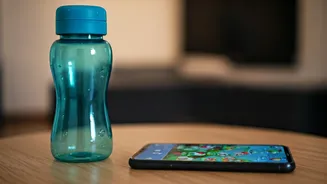
Several modern lifestyle elements are inadvertently contributing to this hydration deficit in children. Prolonged engagement with screens—whether phones, tablets, or televisions—can engross youngsters so deeply that they completely miss their body’s subtle signals, including thirst. This digital immersion often leads to extended periods without any fluid intake. Furthermore, the easy accessibility of sugary beverages, from juices to sodas, presents a constant temptation, leading children to choose these over plain water. While they might temporarily satisfy a craving, these drinks do not offer the same hydrating benefits as water. Busy school routines also play a role; children might forget to drink or actively avoid it to prevent classroom interruptions. Even reduced physical activity can diminish the natural cues for thirst, as less sweating means less immediate need to replenish fluids, further exacerbating the problem.
Recognizing Dehydration Signs
Parents and caregivers must be vigilant for the subtle indicators of dehydration in children, which can manifest in various ways. Persistent feelings of tiredness or recurrent headaches can be early warnings. A noticeable dip in stamina during play, sports, or even regular daytime activities is another key sign. Parents should also monitor urine color and frequency; dark yellow urine or fewer trips to the restroom than usual suggest insufficient fluid intake. Physical signs like dry lips, a parched mouth, or cracked lips are also tell-tale indicators. Furthermore, difficulties in concentrating, increased irritability, or episodes of lethargy and dizziness, particularly in warmer weather, warrant immediate attention as they can point to a body struggling with dehydration.
When Dehydration Worsens
In more serious situations, especially when a child experiences conditions like diarrhea or vomiting, dehydration can escalate rapidly and become severe. The signs of severe dehydration are more pronounced and require urgent medical attention. These can include visibly sunken eyes, a loss of skin elasticity (meaning the skin doesn't snap back quickly when pinched), a weak or rapid pulse, and significant changes in behavior. Children may become extremely agitated, confused, or experience extreme dizziness, indicating a critical fluid imbalance that needs immediate professional care to prevent further complications and restore the body's essential equilibrium.
Simple Steps to Hydrate
Fortunately, bridging the hydration gap in children is achievable through consistent, simple habits. Encouraging regular water breaks is paramount; providing children with a reusable water bottle they can carry to school and during outings ensures they have water readily available. Making water the primary beverage choice by limiting the availability of sugary drinks is also crucial. Incorporating water-rich foods like watermelon, oranges, and cucumbers into their daily meals can further boost their fluid intake. Establishing a consistent hydration routine, such as drinking water upon waking, before and after meals, and during periods of activity, helps normalize fluid consumption. These mindful practices empower parents to actively support their child's growth, energy, and overall health, making adequate hydration a cornerstone of their well-being.