


Inner Flesh Hue
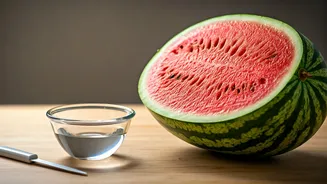
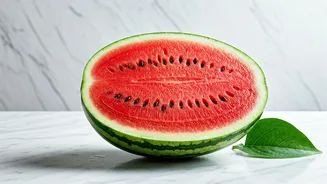
The color of a watermelon's interior offers significant clues about its authenticity. A genuine watermelon typically displays a natural red or pink shade,
characterized by slight variations and interspersed with fine white fibers. This natural appearance contrasts sharply with artificially enhanced fruits, which might exhibit an unnaturally vibrant, glowing red, resembling paint. Such uniform brightness can indicate the presence of red dyes, like Red No. 3 or Red 40, which are associated with health concerns ranging from behavioral issues in children to potential carcinogenic risks. It's crucial to be aware that these synthetic colorings are not merely cosmetic; they can pose genuine health risks upon consumption.
Tissue Paper Smear
A straightforward method to detect artificial coloring involves a simple tissue paper test. After cutting a small section of the watermelon's flesh, gently rub it against a clean white tissue or cotton cloth. If the tissue rapidly absorbs a strong red or pink stain, it's a strong indicator that artificial colorants have been used. The natural juices from a real watermelon will leave only a very faint mark, signifying that the fruit hasn't been injected with synthetic dyes designed to enhance its appearance.
Surface Texture Check
When selecting a watermelon, paying attention to its tactile qualities can be revealing. A naturally grown watermelon usually possesses a firm yet slightly granular surface texture, a testament to its organic development. In contrast, watermelons that have been tampered with, perhaps through chemical injections, might feel excessively soft, mushy, or unnaturally watery to the touch. Additionally, be vigilant for any peculiar cracks or discernible gaps within the flesh, as these anomalies can sometimes signal underlying chemical treatment.
Savoring the Flavor
The taste of a watermelon is a definitive marker of its natural state. A truly ripe and authentic watermelon will offer a subtly sweet and refreshing flavor profile. Conversely, fruits that have undergone chemical treatment might present an overly sweet taste, a complete absence of sweetness, or even a disconcerting bitter or chemical undertone. If the flavor strikes you as unusual or off-putting, it's prudent to discontinue consumption immediately.
Seed Examination
The appearance of a watermelon's seeds can also provide valuable insight into its origin. Well-formed, dark brown or black seeds are characteristic of a naturally ripened watermelon. Conversely, if the seeds appear pale, unusually small, or irregular in shape, it could suggest that the fruit has been subjected to artificial ripening processes or other chemical interventions to accelerate its maturity.
Outer Rind Inspection
Before making a purchase, a thorough examination of the watermelon's exterior is essential. A healthy, natural watermelon typically features a dull green rind, often marked by a creamy yellow spot on one side. This discoloration is a natural result of where the fruit rested on the ground during its growth. If the rind appears excessively shiny, waxy, or polished, it might indicate that the fruit has been treated with chemicals to improve its visual appeal.
Rapid Water Test
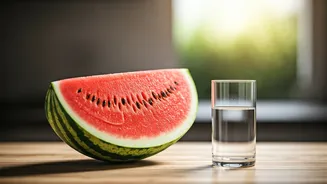
A quick and effective way to gauge a watermelon's purity involves a simple water submersion test. Place a small piece of watermelon into a glass of clear water. If the water very rapidly transforms into a deep red hue, it strongly suggests that artificial coloring is leaching out, indicating an adulterated fruit. The natural juices of a real watermelon typically do not cause such a dramatic and immediate color change in the water.
Pre-Cut Fruit Caution
It is advisable to avoid purchasing pre-cut watermelon pieces, particularly from informal roadside vendors. These exposed fruit segments are more susceptible to contamination and potential handling issues. Opting for whole fruits that you can wash and prepare yourself at home ensures greater control over hygiene and authenticity. Storing any leftover cut watermelon properly in the refrigerator within airtight containers and consuming it within two days is also recommended for maintaining freshness and safety.