





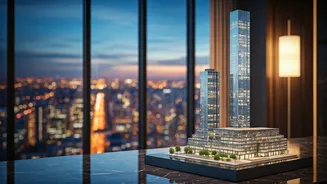
The Luxury Surge
Following the disruptions of the Covid-19 pandemic, the Indian real estate landscape, particularly in Mumbai, saw a pronounced shift towards luxury properties.
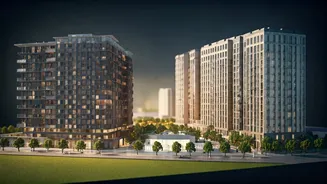
Developers increasingly prioritized larger homes—2BHK, 3BHK, and even 4BHK units—driven by the perception of higher profit margins and a post-pandemic desire for more spacious living among certain segments of the population who benefited from stock market gains and startup successes. This focus led to a considerable reduction in new launches of smaller apartments. For instance, 1BHK apartment launches in Mumbai experienced a sharp decline, dropping by almost 50% in 2025, falling to approximately 9,786 units from an annual average closer to 20,000 units in previous years. This strategic redirection by builders, while maximizing immediate gains, inadvertently widened the affordability gap for many aspiring homeowners.
Affordability Crisis Emerges
The sustained focus on larger, more expensive properties has dramatically impacted affordability in Mumbai. The average price for a new apartment has escalated to around ₹3 crore, effectively pushing budget-friendly, compact options to the periphery. Genuine 1BHK properties priced below ₹1 crore are now a rarity in Mumbai's core areas, often relegated to distant suburbs like Thane, Mira Road, or even further afield. Compounding the issue, the typical size of what was once a modest 450 sq ft carpet 1BHK has seemingly shrunk, with some units now marketed as 2BHKs within the same compact footprint. Even at prices exceeding ₹1 crore, the experience of a basic 1BHK can feel restrictive, characterized by cramped kitchens, inconvenient bathrooms, absent balconies, and significant parking challenges, forcing residents to park on already congested streets.
Market Reversal Predicted
Amidst mounting concerns over affordability and a noticeable slowdown in sales momentum heading into 2026, property market analysts are forecasting a significant reversal in the real estate cycle. The prevailing sentiment suggests that Mumbai has, to a degree, overlooked the needs of its middle-class population. As the market cools, it is anticipated that developers will be compelled to re-evaluate their strategies and once again cater to this often-forgotten demographic. This shift is driven by the fundamental principle that sustained demand requires genuine purchasing power, which has not kept pace with soaring property values. While some argue that today's middle class aspires to 2BHK or 3BHK units, the core issue remains that the current market ecosystem is heavily skewed towards high-end buyers, potentially alienating a larger segment of potential purchasers.
Broader Echoes and Future Outlook
The challenges faced in Mumbai's property market are not isolated incidents but echo similar concerns rising from other major Indian cities like Pune, Hyderabad, and Bengaluru, where the inventory of smaller, affordable housing options is similarly scarce, often limited to government housing schemes. The conversation now turns to the future: will the cooling market prompt developers to adjust prices sufficiently to make homeownership accessible again for the middle class? Or will they persist in chasing the premium segment, treating compact homes as a mere afterthought? While Mumbai's skyline continues to be defined by increasingly tall and expensive towers, the reality for the salaried professionals, young families, and long-term residents who form the city's backbone is that the path to homeownership has become significantly more arduous. The current market slowdown may well force a necessary reset, initiating a crucial dialogue about the future of housing accessibility in India's financial capital.