



The Taste of New Beginnings
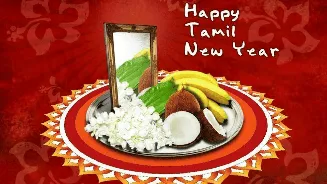
Puthandu, the Tamil New Year, ushers in a time of renewal, gratitude, and vibrant celebrations, deeply rooted in tradition. Observed annually in mid-April,
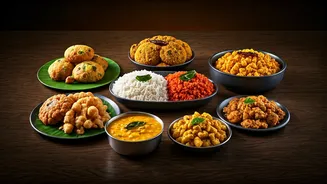
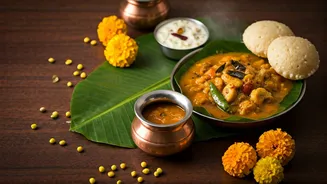
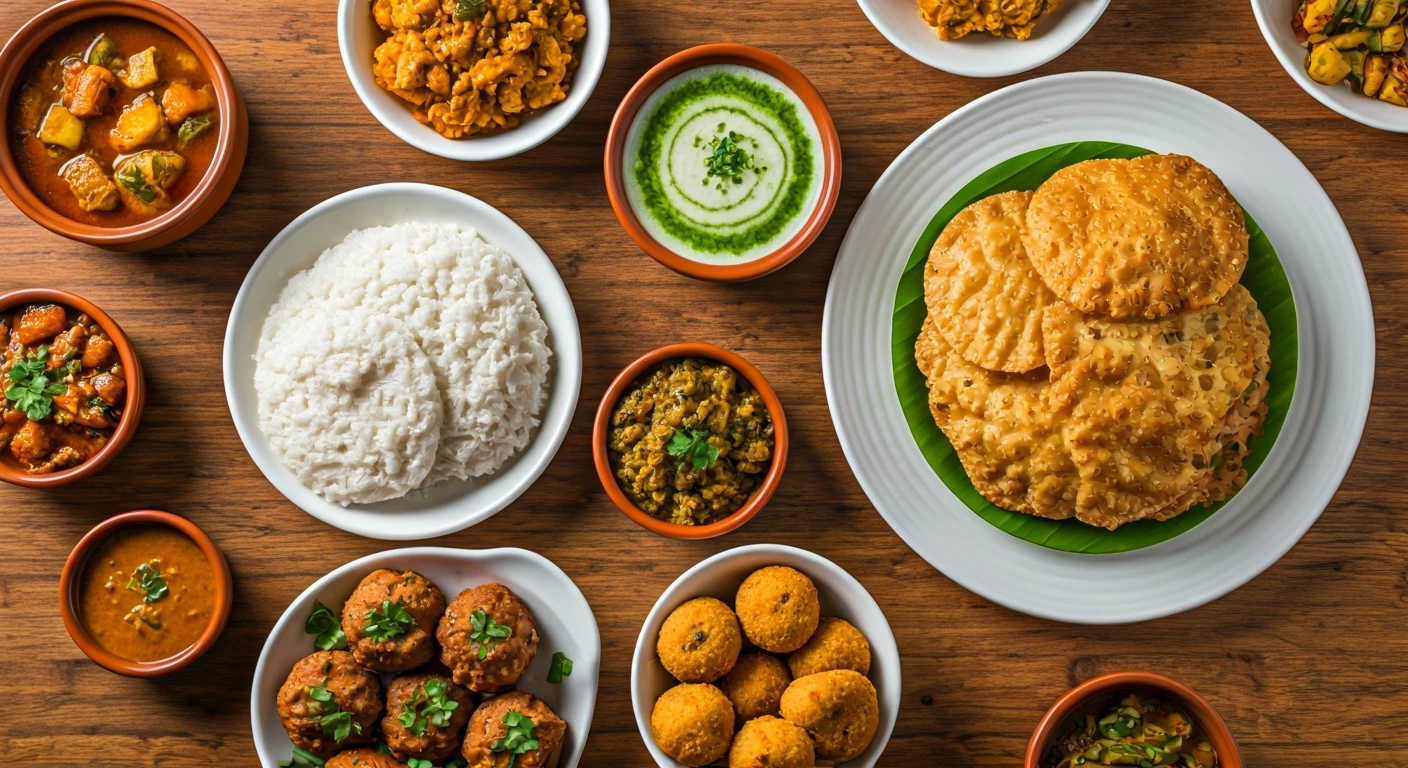
it signifies the dawn of a new cycle in the Tamil calendar. A cornerstone of this joyous festival is the meticulously prepared feast, where each culinary creation is a testament to cultural heritage and the harmonious balance of life's flavors. These meals are traditionally presented and enjoyed on fresh banana leaves, offering a wholesome dining experience that beautifully encapsulates comfort, ancestral customs, and festive spirit. The spread is more than just food; it's an edible narrative of hope and prosperity for the year ahead.
Mango Pachadi's Essence
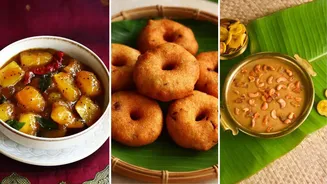
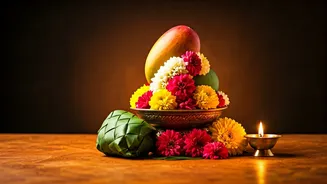
The culinary heart of Puthandu beats with the presence of Mango Pachadi. This distinctive dish masterfully blends raw mangoes, jaggery, neem flowers, tamarind, and an assortment of spices, resulting in a complex profile that encompasses sweet, sour, bitter, and tangy notes. This intricate combination is thoughtfully designed to symbolize the multifaceted emotions of life—joy, sorrow, frustration, and surprise—serving as a gentle reminder to approach every experience with poise and acceptance. Beyond its taste, the preparation of mango pachadi is an integral, almost sacred, ritual that embodies the very essence and spirit of the Puthandu celebrations, connecting participants to the festival's deeper philosophical underpinnings.
Crispy Paruppu Vadai Delight
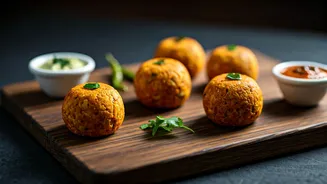
As a beloved appetizer to the grand Puthandu lunch, Paruppu Vadai offers a delightful crunch. These savory fritters are crafted from soaked chana dal, finely ground with a medley of spices, aromatic curry leaves, diced onions, and fiery green chilies. Once deep-fried to a perfect golden crisp, they present a textural contrast and a spicy kick that beautifully complements the other dishes on the festive table. Often, these delicious vadai are first offered in prayer before being shared amongst family, adding a spiritual dimension to their enjoyment and reinforcing their importance in the celebratory proceedings.
Comforting Sambar Staple
No South Indian feast, and certainly no Puthandu celebration, feels complete without a warm, inviting bowl of Sambar. This quintessential lentil-based stew is brought to life with the tang of tamarind, an array of fresh vegetables, and a complex blend of fragrant spices. Sambar brings a comforting depth and richness to the New Year's spread. Families often personalize their sambar, incorporating ingredients like pumpkin, drumsticks, brinjal, or a mix of seasonal vegetables. Traditionally served alongside fluffy steamed rice and a drizzle of ghee, it forms a deeply satisfying and complete meal, harmonizing different tastes and textures.
Nutritious Aviyal Medley
Aviyal stands out as a healthy yet intensely flavorful dish, a testament to the art of vegetable cookery in Tamil cuisine. This mixed vegetable curry is prepared using a luscious base of ground coconut, tempered with yogurt and delicate spices. It's generously packed with a variety of vegetables such as carrots, beans, yam, raw banana, and drumsticks, making it a powerhouse of nutrients and imparting an earthy, wholesome taste. The creamy texture derived from the coconut and the subtle seasoning create an elegant component of the festive menu, pairing perfectly with rice and adding a layer of balanced nutrition to the overall meal.
Vibrant Poriyal Side
Poriyal, a deceptively simple stir-fried vegetable dish, is an indispensable element of the Puthandu banana leaf spread. It typically involves finely chopped vegetables like beans, cabbage, carrots, beetroot, or raw banana, expertly sautéed with mustard seeds, fresh curry leaves, and finished with a generous sprinkle of grated coconut and essential spices. This dish injects a burst of freshness, appealing color, and a pleasing crunch into the meal, while significantly enhancing its nutritional diversity. Poriyal acts as a vibrant counterpoint to richer dishes, ensuring a well-rounded and visually appealing culinary experience.
Irresistible Medu Vada
The textural delight of Medu Vada, simultaneously soft within and crisp on its exterior, makes it another highly anticipated item on the festive table. Fashioned from a batter of urad dal, these distinctive doughnut-shaped fritters are deep-fried to perfection. They are commonly presented hot, ready to be savored with a side of tangy chutney or the aforementioned sambar. Their appealing fluffiness and savory, umami-rich flavor profile secure their status as a universal favorite, cementing their place as an essential component of any significant celebratory meal.
Digestive Rasam Brew
To conclude the substantial Puthandu lunch, Rasam offers a light, invigorating, and palate-cleansing finale. This spicy and tangy broth is concocted using tamarind pulp, ripe tomatoes, pungent black pepper, earthy cumin, and garlic, creating a brew that is both comforting and intensely flavorful. Rasam is traditionally mixed into rice, transforming it into a flavorful accompaniment, or savored as a warm soup after the main courses have been enjoyed. Its role in aiding digestion helps to balance the richness of the festive spread, providing a perfect aromatic conclusion.
Crunchy Appalam Addition
Though unassuming, the crispy Appalam, commonly known as papad, is an absolute non-negotiable on the Tamil New Year's plate. Its primary contribution is the delightful textural contrast and satisfying crunch it brings to the meal, pairing exceptionally well with the sambar and rasam, and enhancing the experience of eating rice. Many diners find immense pleasure in crumbling pieces of appalam directly over their rice, infusing each bite with an extra layer of savory flavor and delightful crispiness, making it an integral part of the complete meal experience.
Sweet Payasam Finale
No Indian festival is truly complete without a sweet ending, and for Puthandu, Payasam stands as the crowning dessert. This luscious sweet pudding can be prepared through various beloved methods, utilizing ingredients like vermicelli, moong dal, rice, or sabudana. Regardless of the base ingredient, all iterations result in a rich, creamy confection, delicately flavored with cardamom, and often embellished with chopped nuts and plump raisins. Payasam beautifully symbolizes sweetness and prosperity, frequently holding the honor of being the very first dish tasted as part of the joyous New Year feast.