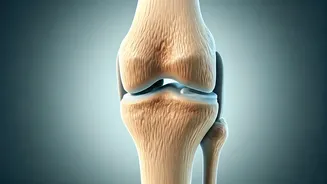







Hidden Joint Discomfort
Many individuals dismiss everyday joint discomfort, such as stiffness upon waking or aches following physical exertion, as mere consequences of aging or fatigue.
However, medical professionals caution that these seemingly minor issues could be indicative of osteoarthritis's initial stages. This degenerative condition develops incrementally, gradually diminishing the protective cartilage that cushions our bones. Because its onset is slow and symptoms can be intermittent, many people tend to overlook these early signals until their mobility is significantly impacted and daily routines become challenging. Leading orthopedic specialists highlight that what might feel like normal wear and tear is, in fact, a biological process involving cartilage breakdown, subtle inflammation, and changes within the underlying bone structure. Factors like sedentary lifestyles, excess weight, prior injuries, and weak supporting muscles can unfortunately hasten this process, placing undue stress on the joints over time.
Subtle Signs to Watch
Recognizing the nascent indicators of osteoarthritis is paramount in slowing its advancement and safeguarding joint function. Physicians point to several subtle signs that are frequently disregarded. A key symptom is morning stiffness that typically resolves within half an hour of movement. You might also experience a grating or cracking sensation, medically termed crepitus, when you bend your knees, hips, or fingers. Discomfort that arises after engaging in physical activity or stiffness that sets in after extended periods of sitting are also potential red flags. Some people may notice increased tenderness around a joint, a restricted range of motion, or difficulty achieving a full bend or extension in the affected limb. Persistent stiffness that improves with movement and discomfort following prolonged periods of inactivity are characteristic early markers that should not be ignored.
Why Early Action Counts
Although a complete reversal of osteoarthritis is not yet possible, identifying the condition early can dramatically slow its progression and mitigate long-term complications. Diagnostic tools like physical examinations, weight-bearing X-rays, and sometimes MRI scans are effective in detecting early joint alterations. Once diagnosed, many cases can be effectively managed using non-surgical interventions. Treatment pathways often incorporate tailored physiotherapy, targeted strengthening exercises, weight management strategies, and addressing any vitamin deficiencies, such as low vitamin D levels. In specific situations, therapeutic injections, including platelet-rich plasma (PRP) or hyaluronic acid, can offer symptomatic relief. Crucially, adopting simple lifestyle adjustments, such as incorporating low-impact exercises and maintaining a healthy body weight, can significantly alleviate stress on the joints and enhance overall mobility, contributing to a better quality of life.