





Future Data Center Vision
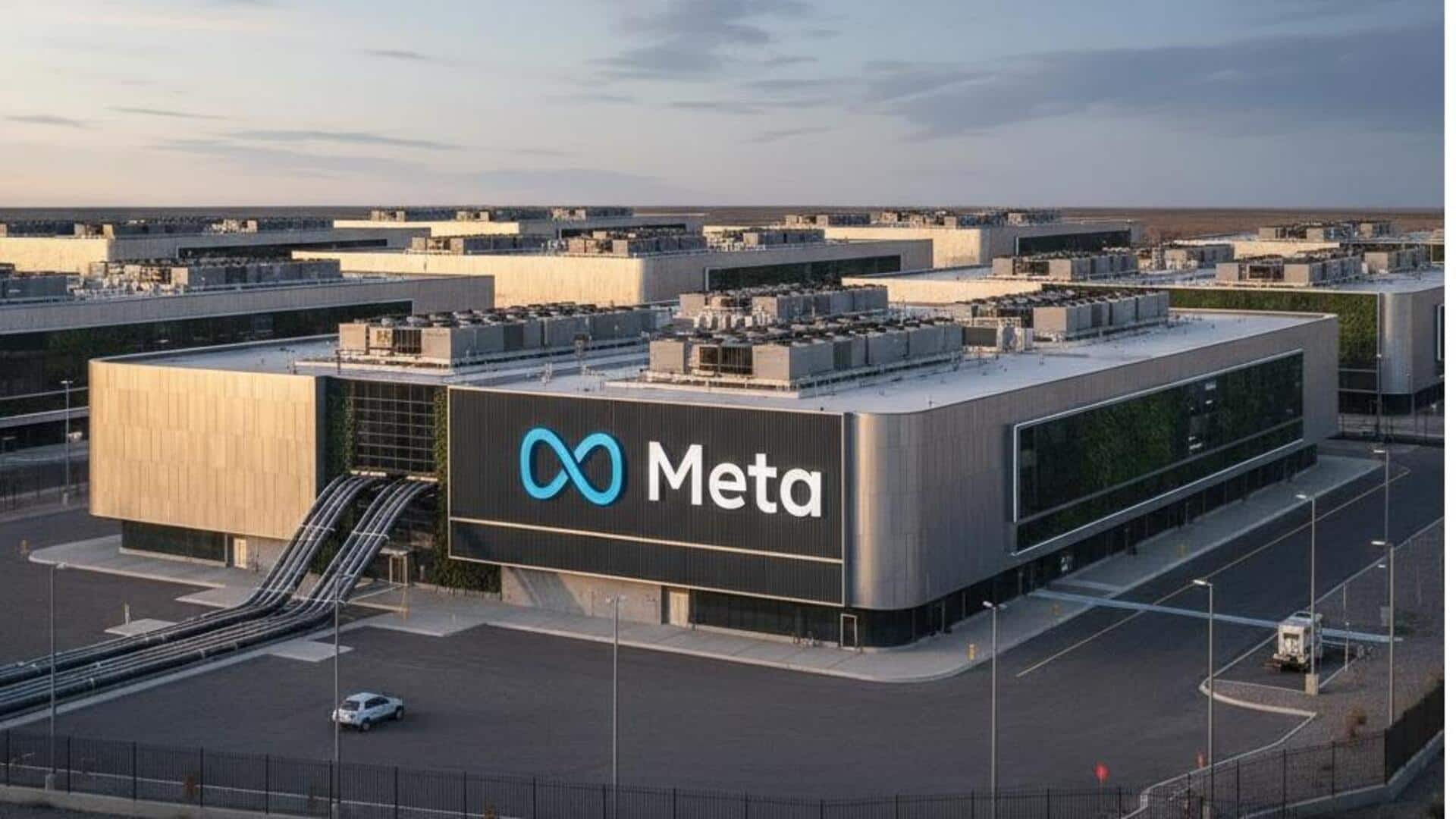
The data center of the future is shedding its solitary image, evolving into a crucial component of a comprehensive digital fabric. This new paradigm integrates
networks, edge computing capabilities, and cloud platforms into a seamless, collaborative system. For two decades, cloud computing has been instrumental in redefining the data center's role, a transformation now significantly accelerated by the advent of artificial intelligence. This has fostered a symbiotic relationship between computing infrastructure and telecommunications networks. Modern networks are increasingly software-defined and programmable, enabling intelligent routing of data, workloads, and services across distributed architectures. Consequently, data centers must adapt to become more agile, capable of dynamically responding to fluctuating demand, optimizing energy consumption, and reliably supporting real-time applications in critical sectors like healthcare and smart city initiatives. From a telecommunications standpoint, this represents a profound shift, where networks and data centers are no longer viewed as distinct layers but as unified components within a singular, interconnected system, fundamentally altering the design and management of our digital infrastructure.
AI-Driven Operations
Harnessing automation and predictive analytics is poised to revolutionize the operational landscape of digital infrastructure. Currently, many data center and network management tasks rely on reactive measures, with human intervention typically occurring after a malfunction or performance degradation. However, AI-driven analytics are paving the way for a proactive approach. By meticulously analyzing vast quantities of operational data, including traffic flow patterns, equipment health metrics, and environmental conditions, these intelligent systems can pinpoint subtle indicators of potential failures. This foresight empowers operators to intervene preemptively or, in certain scenarios, autonomously reallocate workloads across the infrastructure before any service disruption is experienced by end-users. Furthermore, energy management stands to benefit immensely. Predictive systems can continuously monitor energy usage and environmental variables, dynamically adjusting cooling systems, workload distribution, and power consumption in response to real-time changes. This continuous optimization translates into infrastructure that is not only more energy-efficient and resilient but also exceptionally adept at adapting to evolving demand patterns.
Next-Gen Telecom Networks
The telecommunications industry operates on extended development cycles, with research into future generations of technology commencing long before current iterations are fully implemented. While 5G's commercial debut coincided with 2019, many of its anticipated capabilities are only now being realized in practical applications. The concept of 5.5G represents an evolutionary step, aiming to enhance existing performance, enable more sophisticated services, and integrate greater automation within the network. Concurrently, preliminary work on 6G has already begun, underscoring the lengthy research and development timelines inherent in telecommunications. A key aspect of 6G is the anticipation that future networks will transcend mere connectivity, likely merging communication, sensing, and computing functionalities into a more cohesive framework. The ultimate opportunity lies not solely in increasing speed, but in cultivating networks that are inherently intelligent and adaptable, better equipped to support the increasingly intricate digital ecosystems emerging today.
Human Role in Automation
Despite the proliferation of machine-to-machine communication, humans remain central to the evolution of these advanced systems. While a significant portion of network traffic now originates from automated devices, sensors, and digital platforms exchanging information, it is humans who design these systems, define their objectives, and govern their operational parameters. As AI and automation become increasingly integrated into telecommunications and data center infrastructure, human oversight becomes not just important, but paramount. The goal is not to create entirely autonomous networks, but rather to engineer systems that are demonstrably smarter and more efficient, while crucially maintaining transparency, accountability, and a fundamental orientation towards human needs and well-being.