







Celebrating New Beginnings
Makar Sankranti, celebrated on January 14th, 2026, is a festival that brings a sense of renewal. It marks the Sun's entry into the zodiac sign of Capricorn
(Makara), symbolizing the start of longer days and the triumph of light over darkness. This event, unlike many Indian festivals tied to the lunar calendar, consistently falls in mid-January, signifying a fixed point of celebration. The occasion is more than just astrological significance for many; it is a time for kite-flying, sharing sweets, expressing gratitude to nature, reuniting with family, and embracing a fresh start. Makar Sankranti embodies a universal message of change, welcoming the new while letting go of the old.
Why It Matters Deeply
Makar Sankranti is fundamentally a celebration of change, allowing the past to fade and embracing the future. It holds different meanings for different people, offering a combination of solar, harvest, and spiritual significance. The Sun's shift into Makara is considered auspicious, with longer days symbolizing light's victory over darkness. Across India, it's also a harvest festival where farmers celebrate the winter harvest with gratitude. It's known by different names in different states, like Pongal in Tamil Nadu, Uttarayan in Gujarat, Maghi in Punjab, and Magh Bihu in Assam, but the underlying feeling of thankfulness remains constant. Furthermore, texts and traditions consider the Uttarayan period spiritually beneficial, prompting prayers, charity, fasting, and holy bathing on this day.
Date and Auspicious Timings
The main day for Makar Sankranti rituals in 2026 is January 14th, when the Sun enters Capricorn in the afternoon. Key timings to remember for the rituals include the Makar Sankranti moment, which is around 3:13 PM. The Punya Kaal, a period considered highly auspicious for prayers and charitable acts, is from 3:13 PM to 5:45 PM. The Maha Punya Kaal, the most sacred time, is from 3:13 PM to 4:58 PM. Engaging in puja, offering charity, or taking a holy bath during these specific windows is considered especially potent. These periods offer a structured framework for the day's spiritual activities.
Rituals and Practices
The day typically begins early, even before sunrise, for many celebrants. A significant ritual involves a holy bath (snan). People often visit holy rivers such as the Ganga, Yamuna, or Godavari. At home, sesame seeds (til) are added to the bath water, representing the washing away of negativity and a fresh start. Following the bath, individuals wear clean, usually bright or yellow-colored clothes before beginning the Surya Puja, or Sun worship. This involves facing the Sun, offering water from a copper vessel, chanting mantras such as 'Om Suryaya Namah,' and presenting offerings of red flowers, rice, and til. A small lamp lit with ghee or sesame oil creates a festive atmosphere.
The Spirit of Giving
Charity is a fundamental aspect of Makar Sankranti. People make donations of various items: sesame seeds, jaggery, grains, blankets, warm clothes, and food. In 2026, Makar Sankranti coincides with Shattila Ekadashi, further emphasizing the importance of donating sesame-based products. This emphasis on giving fosters a sense of community and generosity. The act of sharing these items promotes well-being and strengthens communal bonds. The festival also features an array of foods, with each region having its unique culinary specialties, representing the spirit of togetherness.
Festive Feast Delights
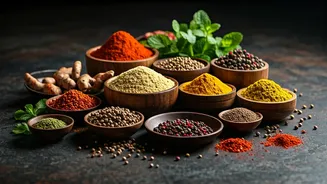
No Indian festival is complete without a feast, and Makar Sankranti is no exception. Some of the most popular foods include tilgul (sesame and jaggery sweets), khichdi (especially in UP and Bihar), and Pongal (sweet rice in Tamil Nadu, made with new harvest grain). The act of sharing these foods goes beyond mere taste. It’s a way of expressing well wishes. This sharing of food is a way of ensuring that life's sweetness is as abundant as the delicious treats that grace the tables during this festival. These culinary traditions provide a taste of local culture and a celebration of the harvest.
Regional Celebrations Flourish
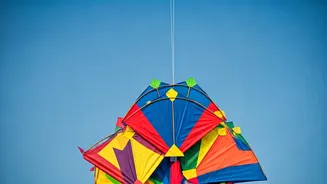
Across India, the celebration of Makar Sankranti takes on unique flavors in different states. In Gujarat and Rajasthan, the skies come alive with colorful kites, and rooftops buzz with laughter. Punjab and Haryana celebrate Maghi with warm meals and family gatherings. Assam celebrates Magh Bihu with bonfires and community feasts. Despite these regional variations, the underlying joy remains constant. If celebrating, one can focus on Punya Kaal rituals, wake up early, and make a small donation, or cook and share traditional foods. This emphasizes the importance of inclusivity, showing that the festive spirit is consistent, regardless of the unique local traditions.
Lessons of the Festival
Makar Sankranti gently imparts valuable life lessons. The festival is a reminder that every period of darkness eventually gives way to light. It emphasizes that gratitude enriches life and that sharing connects us. It teaches that change is natural, not something to fear. Whether you're involved in puja, enjoying tilgul, flying a kite, or simply sending warm wishes to loved ones, Makar Sankranti 2026 is a moment to pause and embrace new beginnings. This underscores the festival’s enduring significance, inspiring reflection and renewal with its profound symbolism.