






Life on the Edge
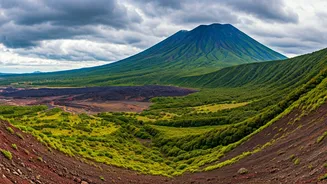
Living near an active volcano may seem perilous, but for numerous communities, it constitutes everyday life. The appeal of fertile soil is a major draw,
providing rich grounds for agriculture that yield plentiful harvests. Tourism also plays a crucial role in sustaining these communities, with volcanoes frequently attracting visitors keen to witness nature's raw power. Cultural affiliations frequently run deep, with local traditions and beliefs interwoven with the landscape. Moreover, in areas where space is limited, the proximity of a volcano may be simply a fact of life. These aspects, combined, contribute to a unique lifestyle that navigates the inherent risks of residing near volcanic activity.
Benefits and Attractions
The advantages of living near an active volcano are diverse and essential to the well-being of the locals. The volcanic soil is notably rich in minerals, which fuels exceptional agricultural productivity. This allows farmers to grow crops, supporting their communities with sustenance and creating economic opportunities. Volcanoes often draw tourists eager to see their majesty. Tourism contributes to the financial health of the region, creating jobs in hotels, restaurants, and tour operations. Simultaneously, cultural ties play a pivotal role in the lives of residents. The presence of a volcano becomes part of local traditions, mythologies, and religious practices, making the region an integral part of their heritage. In addition, the limited availability of space in some areas might mean that living near a volcano is a simple function of necessity, with communities adapting to their environment.
Risk Mitigation Measures
While there are definite benefits, communities near volcanoes aren't simply courting disaster; they are prepared. They use advanced monitoring technologies like seismic sensors and gas detectors to observe subtle changes that could signal an impending eruption. This allows scientists and local officials to issue warnings. These warning systems have become a crucial component of community safety, providing sufficient time for evacuations or other emergency measures. Moreover, communities often have robust emergency preparedness plans. Drills and educational programs teach residents about how to react during an eruption. Coordination between local authorities, scientists, and aid organizations ensures a unified response, mitigating risks. These initiatives help residents continue living near these powerful landmarks, mitigating the risks and protecting communities.