


Seamless Jammu-Srinagar Travel
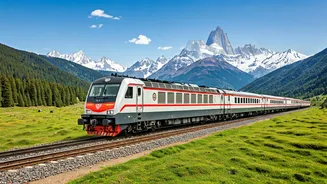
The highly anticipated extension of the Vande Bharat Express, a state-of-the-art semi-high-speed train, to connect Jammu Tawi and Srinagar marks a pivotal
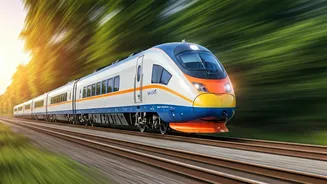
moment in regional transportation. This advancement is poised to dramatically reduce travel duration between these two significant cities, offering passengers a superior travel experience characterized by modern amenities and enhanced comfort. The Vande Bharat's journey into Srinagar signifies a major development, expected to invigorate tourism and stimulate economic growth across Jammu and Kashmir. While specific operational commencement dates and detailed timetables are keenly awaited, this route expansion is set to redefine inter-city travel dynamics in the region, making journeys more accessible and efficient.
Operational Enhancements & Speed
With its extended service commencing on March 1st, the Vande Bharat Express now offers a dramatically reduced travel time of just 4 hours and 50 minutes between Jammu and Srinagar. Previously, this journey would take approximately 8 hours by conventional means. The train operates at an average speed exceeding 55 kmph, ensuring a swift and efficient transit. To accommodate this enhanced service, the train's configuration has been upgraded from an 8-car to a more substantial 20-car rake. This expansion fulfills a long-standing demand from the residents of Jammu and Kashmir, signifying Indian Railways' commitment to improving infrastructure and passenger convenience. The necessary yard remodeling work at Jammu Tawi station has been completed to facilitate these Vande Bharat operations, prioritizing passenger needs even as broader station redevelopment continues.
Expanded Route & Stops
The Vande Bharat Express's enhanced route now includes key stops that facilitate wider access across the region. In addition to its existing stations like Sri Mata Vaishno Devi Katra, Reasi, Banihal, and Srinagar, the train will now make stops at Bajalta and Ramnagar. This strategic expansion of service to Jammu Tawi station addresses previous operational constraints, particularly security-related checks that had previously necessitated the termination of trains at Katra, a point of contention for many. This extension ensures that the Vande Bharat service genuinely connects the valley to the rest of the country, aligning with the vision of a fully integrated railway network.
A Vision Realized: USBRL Project
The Udhampur–Srinagar–Baramula Rail Link (USBRL) project, a monumental undertaking spanning 272 km, reached a significant milestone on June 6, 2025, with the inauguration of the 63-km Katra-Sangaldan section. This event marked the complete operationalization of the line connecting Kashmir to the national railway grid, a project initially conceived 42 years prior. Among its engineering marvels are India's longest operational transportation tunnel, T-50 (12.77 km), the world's highest railway arch bridge, the Chenab Bridge (359 meters above the seabed), and the Anji Bridge, the Railways' first cable-stayed bridge. These critical infrastructure developments, particularly the challenging 111-km Katra-Banihal stretch, underscore the complexity and ambition of linking the Kashmir Valley by rail.
Historical Roots of Connectivity
The dream of connecting Kashmir via rail dates back to Maharaja Pratap Singh in 1898, who envisioned a narrow-gauge line through Reasi. Following India's Partition, the existing rail link between Jammu and Sialkot was severed, isolating Jammu and Kashmir. While Jammu eventually gained rail access, the foundational stone for the Udhampur-Srinagar railway line was laid much later, in 1983. The project gained substantial momentum and national priority under the Atal Behari Vajpayee-led NDA government in 2002, transforming a decades-old aspiration into a tangible infrastructure reality that now includes the Vande Bharat Express's extended reach.