
Idli: South Indian Staple
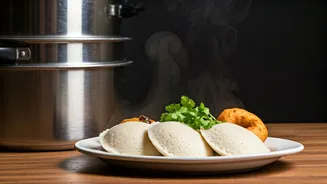
Idli, a South Indian staple, begins our journey. These fluffy, steamed cakes are made from fermented rice and lentil batter. The fermentation process enhances
digestibility and offers a probiotic boost, benefiting gut health. The preparation involves soaking rice and urad dal (black gram) separately, grinding them into a smooth batter, and allowing it to ferment overnight. This results in a light, airy texture when steamed in special idli molds. Idlis are typically served with sambar (a lentil and vegetable stew) and coconut chutney, creating a balanced and flavorful meal. The simplicity and ease of making idli make it a popular choice for breakfast, and its versatility allows for variations with different grains and flavors.
Dhokla: Gujarati Delight
Moving to Gujarat, we encounter Dhokla, a savory steamed snack made from fermented batter, often consisting of gram flour (besan). The batter, enhanced with spices and sometimes a bit of fruit salt for fluffiness, is steamed to a spongy consistency. Dhokla is a good source of protein and carbohydrates, providing sustained energy for the day. Its preparation involves fermenting the batter, typically overnight, to develop its characteristic tang. The steamed dhokla is often tempered with mustard seeds, curry leaves, and green chilies, imparting a burst of flavor. It is a light yet filling option, perfect for breakfast. Dhokla is enjoyed with chutneys, especially the sweet and tangy tamarind chutney, and green coriander chutney, making it a complete culinary experience.
Puttu: Kerala's Choice
Puttu, a popular breakfast in Kerala, comprises steamed cylinders of rice flour and grated coconut. The rice flour is layered with coconut in a puttu steamer, a specialized bamboo or metal container. Steaming imparts a soft, fluffy texture, and the coconut provides a subtle sweetness and moisture. Puttu is a good source of carbohydrates and fiber, offering sustained energy and aiding digestion. It's often served with kadala curry (black chickpea curry), which creates a delightful pairing of flavors and textures. The simplicity of puttu makes it a beloved breakfast option, demonstrating Kerala's culinary traditions. Puttu's versatility allows for variations with different flours or fillings, making it a highly adaptable dish.
Modak: Maharashtrian Treat
In Maharashtra, Modak takes center stage, particularly during the festival of Ganesh Chaturthi. These sweet dumplings are traditionally steamed, though they can also be fried. The outer shell is made from rice flour or wheat flour dough, and the filling typically consists of grated coconut and jaggery, flavored with cardamom. Steaming the modaks preserves the flavor and nutritional value of the ingredients. The sweetness of the jaggery offers a natural energy boost. These are often offered to Lord Ganesha, and their preparation is a communal activity. Modaks are consumed with ghee (clarified butter), which adds richness and complements the sweet filling. The preparation of modaks is often symbolic of cultural and religious traditions.
Khaman: Another Gujarati Delight
Another Gujarati gem, Khaman, is similar to Dhokla but differs slightly in its batter composition and preparation. Typically made with besan (gram flour), it is steamed to create a soft, spongy texture. Khaman is a light and easily digestible snack, often enjoyed with chutneys and garnished with mustard seeds and coriander leaves. The fermentation process, similar to dhokla, enhances its flavor and provides probiotic benefits. Khaman is frequently served as a breakfast item or a light snack, showcasing the diversity of Gujarati cuisine. The addition of tempering adds an extra layer of flavor and aroma, making it more palatable.
Idiyappam: String Hoppers
Idiyappam, also known as string hoppers, is a South Indian breakfast dish made from rice flour. The rice flour dough is pressed into thin noodles, which are then steamed. These soft, delicate strands are a light and easily digestible breakfast choice. Idiyappam is usually served with vegetable stew, or with a sweet version using coconut milk and sugar, depending on regional preferences. Their texture makes them a versatile accompaniment to various curries. The preparation of idiyappam requires specialized equipment, but the result is a unique and satisfying breakfast option. Idiyappam's simple ingredients and quick cooking make it a popular and quick option.
Bati: Rajasthani Staple
Bati, a Rajasthani specialty, involves baking or steaming round, unleavened bread balls. The dough, typically made from wheat flour, is cooked until it attains a hard, crusty exterior while remaining soft inside. Steaming is one of the cooking methods that is frequently employed to cook the bati. Bati is usually served with dal (lentil soup) and churma (sweet crumbled bread), creating a hearty and flavorful meal. Bati provides sustained energy and is a filling option, often enjoyed for breakfast. The simple ingredients and slow-cooking method result in a dish rich in texture and flavor, reflecting the cuisine of Rajasthan. Bati's durability and ability to be stored also make it a practical choice.
Momos: Himalayan Influence
Momos, popular in the Himalayan regions, are steamed dumplings filled with various ingredients, such as vegetables or minced meat. Wrapped in a simple dough, the momos are then steamed, resulting in a soft and juicy texture. They can be considered a versatile breakfast option, especially in the northern regions of India, due to their savory, customizable fillings. The preparation of momos usually involves a spicy dipping sauce, enhancing their overall flavor. The combination of the steamed dough, the flavorful filling, and the dipping sauce results in a complete and satisfying meal. Momos have become an increasingly popular street food item.
Appam: Thin Pancake
Appam, a South Indian pancake, is crafted from fermented rice batter and coconut milk. The batter is poured onto a hot pan, creating a thin, lacy pancake with a soft, spongy center. While not strictly steamed, the cooking method results in a light and airy texture. It offers a unique textural experience, commonly served with vegetable stew or coconut milk-based stews. The fermentation process contributes to the flavor and aids in digestion. Appam is known for its versatility and is often eaten for breakfast. The subtle flavors and soft texture, combined with the accompanying curries, create a complete culinary experience.
Uttapam: Thick Pancake
Uttapam, another South Indian breakfast, is a thick pancake made from fermented rice and lentil batter. The batter is similar to that of idli, but the uttapam is cooked on a griddle. While not directly steamed, the batter's composition is similar to those that are steamed. It offers a slightly different texture than idli, often incorporating toppings like vegetables or spices. Uttapam provides a filling and satisfying breakfast, served with sambar and chutney. Its versatility allows for various combinations. The ease of preparation and customizable toppings make it a preferred choice for a quick and nutritious meal.