
The Enduring Jade
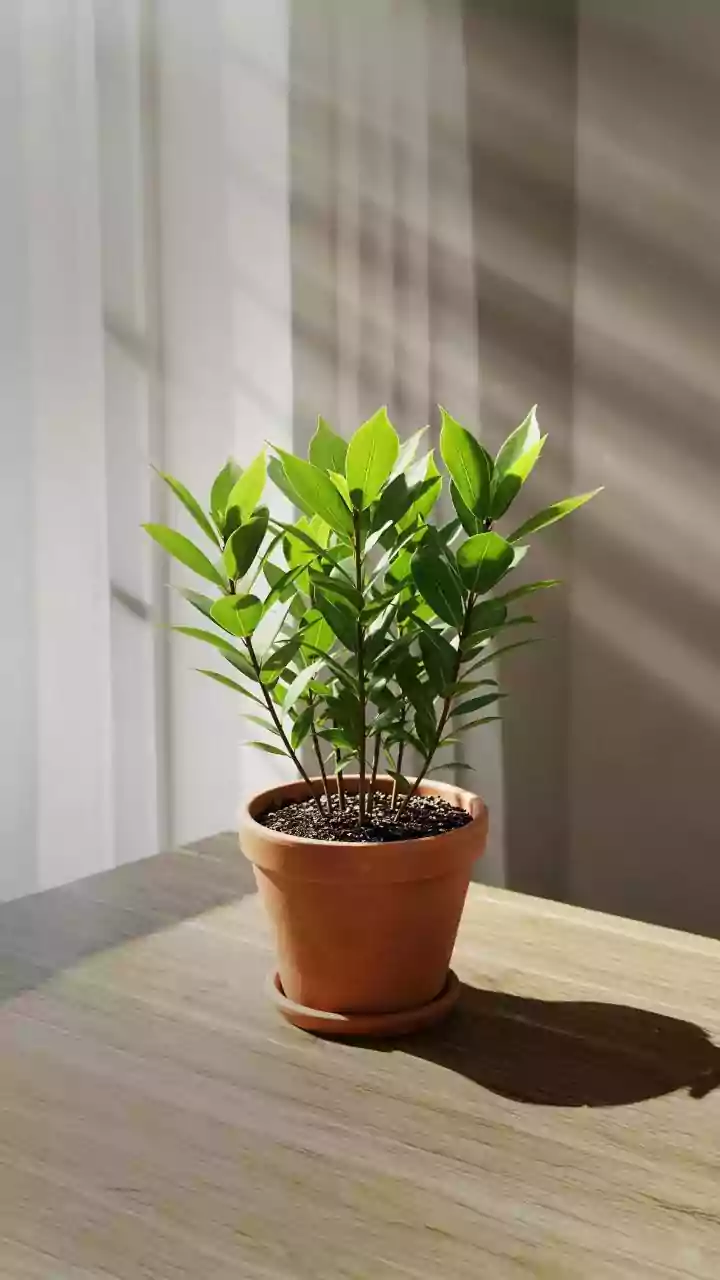
The Jade plant (Crassula ovata) embodies a classic, heirloom quality that remains perpetually stylish. Its remarkable longevity, often exceeding 100 years
under optimal conditions, makes it a prime candidate for being passed down through generations. Many plant enthusiasts, like houseplant expert Sydney Lewis, have personal connections, inheriting these resilient succulents from family members who have nurtured them for decades. This deep-rooted history contributes to the Jade plant's special place in homes, symbolizing continuity and enduring beauty.
Aloe Vera's Charm
Aloe vera (Aloe barbadensis miller) is another cherished houseplant that evokes nostalgic memories for many. Its ease of cultivation indoors hinges on providing adequate sunlight. Once established, these plants tend to prolificly produce offsets, filling their pots and occasionally gracing their caretakers with delicate blooms. Aloe vera is also an excellent choice for those with outdoor spaces, as it benefits from summer sojourns in the sun. Beyond its ornamental value, the plant's sap offers a wealth of practical applications, readily available for harvesting from its leaves.
Resilient Snake Plant
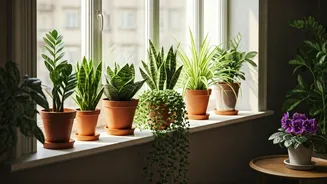
Instantly recognizable, the Snake plant (Dracaena trifasciata) has secured its status as a trend-defying houseplant, with popularity dating back to the 1920s. Its widespread appeal is largely attributed to its incredibly low-maintenance nature and adaptability to a broad spectrum of light conditions, from dim corners to direct sunlight. This versatility makes it a common sight in both residential and professional settings, where it adds a subtle touch of greenery. Its distinctive upright growth pattern introduces architectural interest, contrasting nicely with more diffuse, leafy plants.
Wispy Spider Plant
The spider plant (Chlorophytum comosum) stands as another testament to timeless, low-effort interior greenery. Exploding in popularity during the 1970s, it was frequently showcased in macramé hanging planters, embodying a bohemian aesthetic. While its peak trendiness may have passed, it remains a favorite for beginners due to its exceptional ease of care. A unique characteristic of the spider plant is its production of offshoots, often called 'pups,' which not only enhance its visual appeal but are also incredibly simple to propagate, making it easy to share with friends and family, thus fostering generational plant sharing.
Iconic Monstera
Though the Monstera deliciosa has recently experienced a surge in internet fame, its reign as a popular houseplant began much earlier, gaining traction in mid-century modern interiors. Its large, perforated leaves lend a striking, tropical ambiance to any space. Beyond its distinctive appearance, the Monstera is also celebrated for its minimal care requirements, often recommended for novice plant owners. It thrives in typical home temperatures and humidity levels, tolerates moderate watering schedules, and flourishes in bright, indirect light.
Beloved Pothos
Pothos (Epipremnum aureum) consistently ranks among the most adored houseplants, and its enduring popularity is easily understood. Plants that maintain their appeal across seasons and require minimal upkeep, as expert Lewis notes, are those that truly integrate into our lives. Pothos excels in this regard, thanks to its easy-care nature, lush cascading foliage, and characteristic trailing growth. The wide array of available varieties ensures there is a Pothos perfectly suited to complement any home decor style.
Wax Plant Wonders
The Hoya genus encompasses numerous species cherished as houseplants, with Hoya carnosa, commonly known as the wax plant, being particularly renowned. Its thick, waxy leaves are its defining feature. Hoyas enjoyed significant popularity in the 1970s, alongside plants like spider plants and monsteras. Similar to pothos, many Hoya varieties exhibit a trailing growth habit, albeit on woody stems. In addition to their attractive foliage, mature Hoya plants are appreciated for their beautiful, star-shaped flowers, which typically appear once or twice annually.
Whimsical Ferns
The tradition of indoor ferns dates back to the Victorian era, signifying their permanent place in interior design. As expert Lewis observes, ferns bring a delightful, airy aesthetic, making them a perennial offering at garden centers. She particularly recalls the Boston fern (Nephrolepis exaltata) from her upbringing. While many plants on this list are lauded for their ease of care, ferns, as a group, can be somewhat more demanding and require specific conditions to thrive indoors compared to their more forgiving counterparts.
Christmas Cactus Cheer
The Christmas cactus (Schlumbergera x buckleyi) is almost synonymous with visits to grandparents' homes, beloved for its straightforward care and its timely, festive blooms. These long-lived plants are easily propagated and frequently passed down, capable of thriving for over a century with attentive nurturing. To ensure a healthy Christmas cactus, provide ample bright, indirect light, water when the top inch of soil feels dry, and fertilize during its active growth phases. Repotting every two to three years, or when root-bound, encourages robust development.
African Violet Blooms
The African violet (Saintpaulia ionantha) has been a cherished houseplant for many decades, distinguished by its ability to bloom almost year-round, offering vibrant shades of purple, pink, white, and blue. Unlike many houseplants valued primarily for their foliage, the African violet's blossoms are its main attraction. These plants prefer average household temperatures and humidity, thriving best in bright, indirect light, and their velvety leaves add a soft texture to indoor spaces.