





Understanding the 12-3-30
The 12-3-30 walking routine is a straightforward treadmill workout that has gained significant popularity for its simplicity and effectiveness in promoting
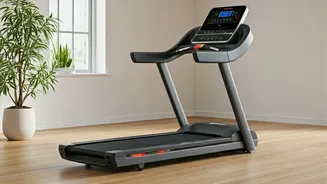
calorie expenditure. The method's name precisely outlines its parameters: setting the treadmill incline to 12 percent, walking at a pace of 3 miles per hour, and maintaining this for 30 minutes. This structured approach makes the workout easy to follow and adhere to, removing the guesswork often associated with fitness routines. While the incline walking itself isn't a new concept, the fixed and easily memorable structure of 12-3-30 has made it accessible and appealing to a wide audience, particularly those seeking a predictable yet challenging cardiovascular activity without the high impact of running or other intense exercises. Its popularity surged through social media, highlighting its potential as a go-to exercise for many looking for consistent results.
How Incline Walking Works
Engaging in incline walking fundamentally alters how your body works compared to strolling on a flat surface. When you ascend an incline, your leg muscles, specifically your glutes, hamstrings, and calves, are compelled to work harder to propel you forward against gravity. This increased muscular engagement leads to a higher heart rate and a greater demand for oxygen, significantly boosting your overall energy expenditure. Research indicates that raising the treadmill's incline dramatically enhances calorie burn even at the same walking speed. This amplified calorie consumption is a direct result of your body expending more energy to overcome the resistance of the incline. A 30-minute session performed consistently, such as five days a week, can contribute substantially to meeting recommended weekly aerobic activity guidelines, offering a potent tool for weight management and cardiovascular health improvement.
The Science of Fat Loss
Effective fat loss hinges on a fundamental principle: maintaining a consistent calorie deficit over time, meaning you consistently burn more calories than you consume. Exercise, including the 12-3-30 routine, plays a crucial supporting role in creating this deficit, but it's not a standalone solution. Studies emphasize that combining regular aerobic activity with thoughtful dietary adjustments leads to more significant and sustainable fat loss than relying on exercise alone. While the 12-3-30 method enhances calorie burn through its incline, potentially burning an estimated 200–300 calories for a 70 kg individual in a 30-minute session, this calorie expenditure must be factored into your overall daily intake. For true fat loss, this increased burning must complement a controlled caloric intake, regular adherence to the routine, and effective management of stress and sleep, which are all vital components of a healthy metabolism.
Who Benefits Most
The 12-3-30 walking method is particularly well-suited for individuals who prefer lower-impact forms of exercise, find running or high-intensity workouts jarring on their joints, or are relatively new to structured cardio routines and appreciate a predictable plan. Its gentle impact makes it a great alternative for those experiencing knee discomfort or seeking a less strenuous way to build cardiovascular fitness. This routine offers a clear and repeatable structure, making it easier for beginners to adopt and maintain consistency without feeling overwhelmed. While beneficial for many, it's important for beginners to potentially adjust the incline to ensure the workout is challenging yet sustainable, prioritizing long-term adherence over immediate, extreme exertion. The goal is to build a habit that can be maintained over time.
Limitations and Progression
While effective for calorie burn and lower body conditioning, the 12-3-30 routine has its limitations and requires thoughtful progression. It primarily targets the lower body and cardiovascular system, and does not significantly contribute to upper-body strength development or overall muscle mass gain, which is crucial for long-term metabolic health. Therefore, it’s not a replacement for resistance training. Furthermore, the body is adept at adapting to repetitive stimuli. If the 12-3-30 workout is performed identically without any adjustments over time, the calorie burn may plateau, diminishing its effectiveness. To continue seeing results, it's essential to gradually increase intensity or duration, perhaps by slightly increasing speed, duration, or incline periodically, ensuring the workout remains challenging and encourages continued adaptation and progress.
Making it Sustainable
The true power of the 12-3-30 walking routine lies not in its inherent novelty, but in its potential to become a sustainable part of a broader healthy lifestyle. Its effectiveness is magnified when it complements balanced nutrition, focusing on whole foods and adequate protein, and sufficient sleep, ideally averaging seven to eight hours nightly. Incorporating strength training alongside this cardio routine is also vital for preserving muscle mass, which is key for maintaining a healthy metabolism. Consistency is paramount; as the philosopher Aristotle wisely noted, 'We are what we repeatedly do.' The 12-3-30 method embodies this principle. It's a reliable, repeatable activity that, when integrated with other healthy habits and evolved over time, can lead to steady, long-term results, proving that consistent effort often triumphs over sheer intensity.