




Meal Planning Essentials
Effective meal planning is a cornerstone of healthy eating. Begin by dedicating some time each week to plan your meals. Consider your schedule and the
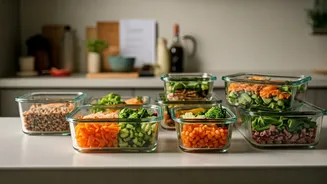
number of meals you'll need to prepare. Construct a meal plan, and subsequently, develop a shopping list based on the planned recipes. This way, you will be prepared and stay consistent with your goals. The advantage of meal planning is the reduction of impulsive, unhealthy food choices. Keep it simple and stick to what you know! Use your meal plan and shopping list together and you'll find you can make better food choices at the market. Take time each week to organize a grocery list. When you do, you can eat more regularly, feel better physically, and save some time and money. Furthermore, consider pre-portioning snacks to carry with you. This way you'll reduce the chance of choosing impulse purchases, and it's also a great way to stay on track.
Understanding Food Labels
Deciphering food labels is an essential skill for making informed dietary choices. Begin by paying attention to the serving size, which determines all the nutritional information listed on the label. Next, check the total calories per serving to manage your overall calorie intake. Review the macronutrient content – fats, carbohydrates, and protein – and choose foods that provide a balance of these. Examine the amount of sugar, sodium, and saturated/trans fats. Aim to limit your intake of these, and choose foods with lower values. Finally, consider the percentage of daily values (%DV) of essential vitamins and minerals. Select foods that contribute significantly to your daily nutrient intake. Food labels often feature claims such as 'low fat' or 'high fiber', which can be misleading. Always refer to the full nutritional information, instead of being swayed by the claims.
Choosing Whole Foods
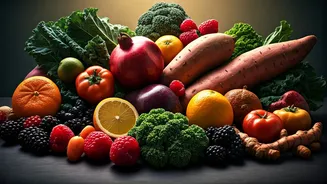
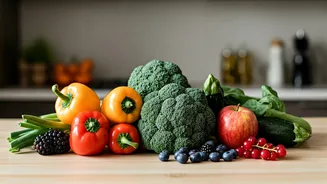
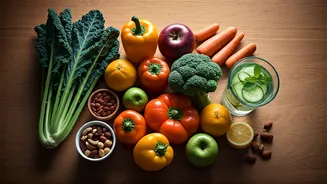
Embracing whole, unprocessed foods is a fundamental step toward eating well. These foods are close to their natural form and are packed with essential nutrients and fiber. Build your meals around a variety of fruits and vegetables, which provide vitamins, minerals, and antioxidants. Opt for lean proteins like poultry, fish, beans, and tofu. These options are lower in saturated fat and contribute to muscle health. Select whole grains, such as brown rice, quinoa, and oats, for sustained energy and fiber. Healthy fats, including those found in avocados, nuts, and olive oil, are also essential for overall health. Preparing meals at home will give you complete control of all ingredients. While convenience foods can have a place in a healthy diet, prioritize whole foods, to give your body the best nutritional value. They naturally offer numerous benefits.
Portion Control Strategies
Practicing portion control helps to maintain a healthy weight and ensures your body receives the appropriate amount of nutrients. Use smaller plates and bowls to create the illusion of a larger meal, which can help to reduce overeating. When eating out, consider ordering an appetizer as your main course or sharing a meal with a friend to reduce overall calorie consumption. Be mindful of portion sizes when preparing meals at home; measure your food if necessary, and avoid eating directly from large containers, which often leads to overconsumption. Pay attention to your body's hunger and fullness cues. Eat slowly, savor each bite, and stop eating when you feel satisfied, not stuffed. Listen to your hunger cues, and learn to differentiate between real hunger and emotional hunger. Overeating is rarely the answer and can lead to many health problems.
Hydration is Key
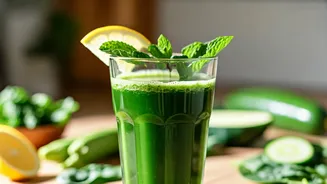
Staying adequately hydrated is essential for overall health, and it directly supports healthy eating habits. Drink plenty of water throughout the day, and aim for at least eight glasses of water daily. Water aids digestion, nutrient absorption, and helps regulate body temperature. Carry a reusable water bottle with you to make it easier to stay hydrated throughout the day. Water is always the best choice. Infuse your water with fruits, vegetables, or herbs, such as cucumber, mint, or lemon, to enhance its flavor and encourage greater consumption. Avoid sugary drinks like sodas and fruit juices, which contribute extra calories and provide little nutritional value. Instead, choose water as your primary beverage. Proper hydration can also prevent unnecessary snacking. It also assists in promoting satiety and supporting metabolic processes.