




Understanding Male Tightness
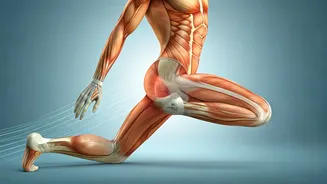
It's a common observation that men tend to feel more restricted in certain muscle groups, notably the hips, the posterior chain (encompassing hamstrings
and calves), and the upper body, particularly the chest. This increased stiffness can be attributed to a confluence of factors. Anatomically, men might possess certain physical structures, like broader hips, that contribute to differing ranges of motion compared to women. Furthermore, hormonal differences, such as lower estrogen levels, can influence the pliability of connective tissues. Coupled with a higher prevalence of muscle mass, which can naturally lead to stiffer muscles, these elements create a unique landscape of flexibility challenges. There's also a theory that men might have a distinct nervous system response to stretching, perceiving discomfort or strain earlier in the stretching process. However, the crucial takeaway is that this tightness is not an immutable characteristic. With consistent effort and the right approach, flexibility can be significantly improved.
The Essential Six Stretches
To address these common areas of stiffness, a routine incorporating six specific stretches can be highly effective. This regimen is designed to target the hip flexors, hamstrings, quadriceps, calves, the piriformis muscle located deep within the buttocks, and the pectoral muscles in the chest. Regularly performing these exercises, ideally four to five times each week, can lead to noticeable improvements in flexibility within these crucial muscle groups and help prevent chronic tightness. Each stretch should be held for approximately 30 seconds to allow the muscle fibers to adapt and lengthen. It's also recommended to perform three sets of each stretch for maximum benefit, ensuring a thorough and effective flexibility session. This consistent practice will contribute significantly to overall mobility and comfort.
Hip Flexor & Hamstring Focus
Begin by targeting your hip flexors with a kneeling stretch. Position yourself by kneeling on one knee, with the other foot planted firmly on the floor, about one to two feet ahead. Maintain an upright posture and gently push your hips forward until you feel a comfortable stretch in the front of your hip. Hold this position for 30 seconds, then repeat on the opposite side. Next, for your hamstrings, lie on your back with one knee bent and your foot flat on the floor. Bring the other leg up towards the ceiling, placing its ankle on the thigh of the bent leg. Reach for the back of the bent knee or the front of the calf and gently pull it towards your chest, keeping the extended leg as straight as possible until you feel a stretch in the back of your thigh. If reaching is difficult, a towel or strap can be looped around the foot for assistance. Hold for 30 seconds and switch legs. This combination effectively addresses tightness in the front and back of the legs.
Quad, Calf, and Glute Work
To stretch your quadriceps, stand tall and hold onto a stable object for balance. With your knees together, bend one knee and bring your foot towards your buttock, grasping your ankle. Gently pull your foot closer to intensify the stretch in the front of your thigh, ensuring your back and hips remain aligned. Hold for 30 seconds per side. For your calves, stand facing a wall, placing your hands on it for support. Step one foot back, keeping the heel grounded and the leg straight, then lean forward until you feel a stretch in your calf. You can adjust your distance from the wall to control the intensity. Hold for 30 seconds on each leg. Finally, target your glutes by sitting on a chair with your back straight. Cross one ankle over the opposite knee and gently press the shin downwards until you feel a stretch in your buttock. Leaning forward with a straight back can deepen the stretch. Hold for 30 seconds and switch sides. These movements provide comprehensive lower body flexibility.
Upper Body Relief
Address tightness in your chest and shoulders with a doorway pectoral stretch. Stand within a doorway, placing your forearms on the frame with your elbows bent at shoulder height, forming an 'L' shape with each arm. Shift your weight forward, gently stepping through the doorway, which will push your shoulders back and bring your shoulder blades together. You should feel a stretch across your chest and the front of your shoulders. Hold this position for 30 seconds. If this position causes discomfort in your shoulders, you can modify it by keeping your arms straight and lower, using your hands to hold the doorway instead of your forearms. This stretch is vital for counteracting the effects of prolonged sitting or hunching and improving upper body posture and mobility.
Making Stretching a Habit
To truly benefit from these stretches, consistency is key. Incorporating this routine four to five days a week is generally recommended for most men. If you're engaging in more intense physical activity, such as marathon training, performing these stretches daily can further aid in injury prevention. Each stretch should be held for a minimum of 30 seconds, as this duration is considered optimal for muscle adaptation and flexibility improvement. Performing three sets of each stretch will maximize the benefits. It's important to note that these are static stretches and are best performed as part of a cool-down after a workout. If you're stretching without a prior workout, a brief warm-up involving light movements like bodyweight squats or arm circles is advisable. Remember, regular stretching is a powerful tool to enhance flexibility and reduce muscle tightness.