






Sunlight’s Surprising Role
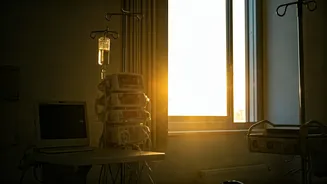
According to a study conducted by AIIMS, there’s a potential link between sunlight exposure and faster recovery from strokes. Research indicates that venturing
out into the sun might assist in the recovery journey for stroke survivors. This is an exciting development, as it suggests an accessible and natural way to aid in the healing process. Sunlight exposure can be a natural boost for stroke recovery, and it is a simple step that could greatly improve the well-being of those affected by strokes. Exploring these findings can guide individuals towards healthier recovery pathways, offering renewed hope and encouraging proactive measures in their health management.
Understanding Stroke Recovery
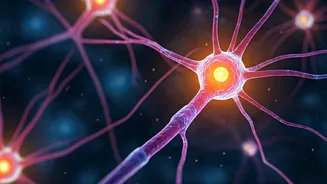
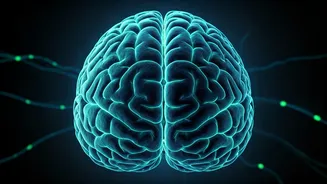
Stroke recovery is a complex process. It typically involves rehabilitation, medication, and lifestyle adjustments, with the goal of regaining lost functions. The brain's ability to heal itself through neuroplasticity is critical during recovery. Neuroplasticity enables the brain to reorganize and form new neural connections. This process allows the brain to compensate for injuries and adapt to new situations. This natural mechanism, along with specific therapies, supports the regain of skills like movement, speech, and cognitive function after a stroke. The introduction of sunlight as a potential additional facilitator adds a fresh dimension to the ways recovery can be enhanced.
Benefits of Sun Exposure
Sunlight is known to facilitate Vitamin D synthesis, which is essential for bone health and can play a role in reducing inflammation. Emerging research suggests that sufficient Vitamin D levels could be beneficial for brain health. Light exposure itself can influence mood and may improve the overall feeling of well-being. Regular, controlled exposure to sunlight can help regulate the circadian rhythm, which promotes better sleep patterns. Improved sleep, in turn, can foster faster recovery. While more studies are needed, the existing data indicates that incorporating measured sunlight exposure could be a useful part of a stroke recovery strategy.
Essential Precautions to Take
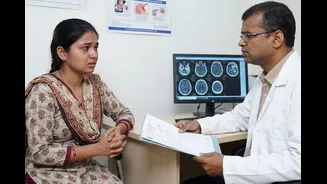
Although sunlight may be beneficial, it is critical to take proper precautions to avoid harm. Exposure should always be controlled; long or intense exposure can be detrimental, causing sunburn and increasing the risk of skin cancer. Individuals recovering from strokes should start with short periods of sun exposure and gradually increase the time as tolerated. Using protective measures such as wearing appropriate clothing, a hat, and sunscreen with a high SPF is also important. Remaining well-hydrated is also crucial, especially during sun exposure. Consulting a healthcare professional before making any significant changes to a recovery plan is also advised to ensure it aligns with the person’s health status.
Integrating Sunlight Safely
Integrating sunlight safely into the recovery plan involves thoughtful planning and execution. The best time to step into the sun is often during the early morning or late afternoon when the sun's rays are less intense. Starting with just 10-15 minutes of sunlight per day can be a reasonable approach. Choose outdoor activities that are comfortable and enjoyable, such as light walking in a shaded area. Observing how the body responds to sunlight exposure is essential, and paying attention to any signs of discomfort or negative reactions is crucial. Regular check-ins with doctors can help adjust the sun exposure plan to suit personal needs, ensuring both the benefits and safety of this approach are optimized.
Additional Recovery Support
Sunlight is one piece of a comprehensive stroke recovery strategy. Physical therapy, occupational therapy, and speech therapy continue to play important roles in regaining lost functions. A balanced and nutritional diet supports overall health and recovery. Engaging in social activities and maintaining a positive attitude can greatly benefit mental well-being, which is often crucial during recovery. Joining support groups for stroke survivors can provide emotional support and shared experiences. Integrating various recovery elements, including sunlight exposure with medical guidance, may lead to more effective and holistic healing outcomes.