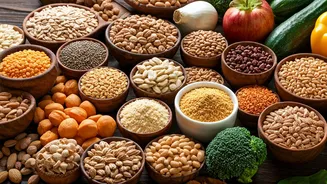








The Healthy Food Paradox
Many individuals embrace what they believe are virtuous dietary choices, incorporating items like granola bars, protein-rich snacks, vibrant raw salads,
and nutrient-dense seeds into their daily routines, often with the intention of improving their digestive well-being and overall health. However, a surprising number of people find themselves experiencing unwelcome symptoms such as bloating, an uncomfortable sensation of heaviness, acid reflux, and general digestive unease, despite their conscientious efforts. This perplexing situation arises because the human digestive system is incredibly unique; what benefits one person's gut might inadvertently provoke distress in another. Foods frequently lauded for their health benefits, including high-fiber cereals, protein bars, legumes, cruciferous vegetables, dairy-based snacks, raw salads, and various seeds, can become sources of discomfort, especially if consumed in excessive amounts or introduced into the diet too abruptly, highlighting the intricate and individualistic nature of our internal ecosystems.
Microbiome's Crucial Role
The intricate community of microorganisms residing within our digestive tract, known as the gut microbiome, plays a far more significant role in our overall health than is often acknowledged. A flourishing and balanced microbiome is instrumental in efficiently breaking down complex carbohydrates and dietary fiber through a natural fermentation process. This vital biological activity yields beneficial short-chain fatty acids, which are essential for supporting robust digestion and maintaining the integrity of the gut lining. When this delicate ecosystem is disrupted or unbalanced, even foods that are generally considered healthy can become challenging for the body to process, leading to a cascade of digestive issues and underscoring the importance of nurturing this internal microbial world.
Probiotics and FODMAPs
Even foods celebrated for their gut-benefiting properties, such as yogurt, kefir, and other fermented items, can sometimes present challenges. While these are often promoted to enhance digestive health, a sudden surge in probiotic intake can, paradoxically, lead to temporary exacerbation of discomfort for certain sensitive individuals. A similar effect can be observed with foods that are high in FODMAPs (Fermentable Oligosaccharides, Disaccharides, Monosaccharides, and Polyols), which include common ingredients like garlic, onions, and wheat. For those already navigating digestive sensitivities or conditions like Irritable Bowel Syndrome (IBS), these types of foods might act as irritants, triggering unwelcome symptoms and reinforcing the need for a cautious and personalized approach to dietary changes.
Navigating Trigger Foods
Identifying and managing individual food sensitivities is paramount for achieving optimal digestive comfort. Instead of blindly following popular wellness trends, it is crucial to develop a personalized dietary strategy. This involves gradually incorporating fiber-rich foods to allow your digestive system to adapt, ensuring adequate hydration to aid digestion, and paying close attention to portion sizes to avoid overwhelming your system. Proactively tracking which foods elicit adverse reactions can provide invaluable insights into your unique triggers. Prioritizing minimally processed food choices and avoiding abrupt, extreme dietary shifts are also key recommendations. Ultimately, understanding your body's specific tolerances and responding to its signals is the most effective path to sustained digestive well-being, rather than adhering to a one-size-fits-all approach.