





The Injection Trend
Weight management conversations in India have dramatically shifted from traditional methods like dieting and exercise to the widespread discussion of injectable
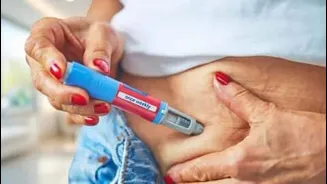
medications such as Ozempic. What was once a topic of medical discussion has now permeated everyday chats, appearing in celebrity gossip and shared tips on social media platforms. This surge in interest, however, masks a more complex situation. Experts emphasize that these are potent pharmaceuticals, not simple shortcuts to weight loss. When utilized correctly under medical supervision, they possess the capacity to significantly improve health outcomes. Conversely, casual or unsupervised use can lead to considerable adverse effects, underscoring the critical distinction between therapeutic application and a perceived lifestyle hack. The ease with which these medications are now discussed highlights a growing societal desire for rapid solutions, often overlooking the necessary medical context and potential ramifications.
How They Function
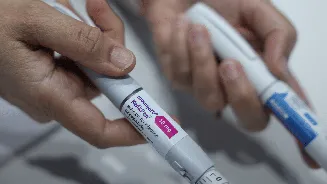
Medications like semaglutide belong to a specific pharmacological category known as GLP-1 receptor agonists. Their primary mechanism involves mimicking the action of a natural hormone that plays a key role in regulating appetite and digestion. By interacting with these pathways, they effectively slow down the rate at which food leaves the stomach, thereby promoting a feeling of fullness and reducing overall hunger. Furthermore, these drugs contribute to better blood sugar control, which is particularly beneficial for individuals managing conditions like diabetes or obesity. When prescribed and monitored by healthcare professionals, these GLP-1 agonists can lead to improved metabolic function, a decrease in cravings, and a more manageable approach to shedding excess weight. It's crucial to understand that their efficacy is maximized when integrated into a comprehensive treatment plan, rather than being viewed as a standalone solution.
Misuse and Trends
The core issue surrounding these powerful medications in India isn't the drugs themselves, but rather the prevailing trend of their misuse. A significant number of individuals are reportedly obtaining and using these injections without obtaining a legitimate prescription from a qualified doctor, bypassing essential diagnostic assessments, and remaining largely unaware of potential side effects. What was originally developed as a clinical intervention for specific medical conditions is now being treated as a trendy lifestyle enhancement. This casual approach, detached from medical oversight, poses substantial risks. Experts highlight that this trend represents a dangerous shift from responsible medical treatment to an unregulated pursuit of rapid physical transformation, where the necessary precautions and expert guidance are often disregarded.
Hidden Dangers
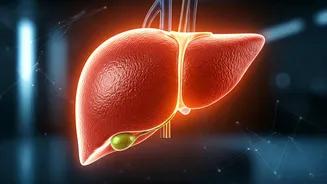
Any medication that intervenes with the body's intricate hormonal systems carries inherent risks, and these weight-loss injections are no exception. While common side effects like nausea are frequently reported, more serious health concerns can emerge. These include conditions such as pancreatitis, the formation of gallstones, and potential complications related to pre-existing thyroid issues. The danger is amplified when individuals use these drugs without undergoing the appropriate medical evaluations and regular follow-up appointments. Without consistent monitoring by healthcare providers, these significant risks may go unnoticed until symptoms become severe and manifest overtly, potentially leading to delayed or inadequate treatment. This underscores the necessity of a physician's involvement at every stage of the treatment process.
Essential Monitoring
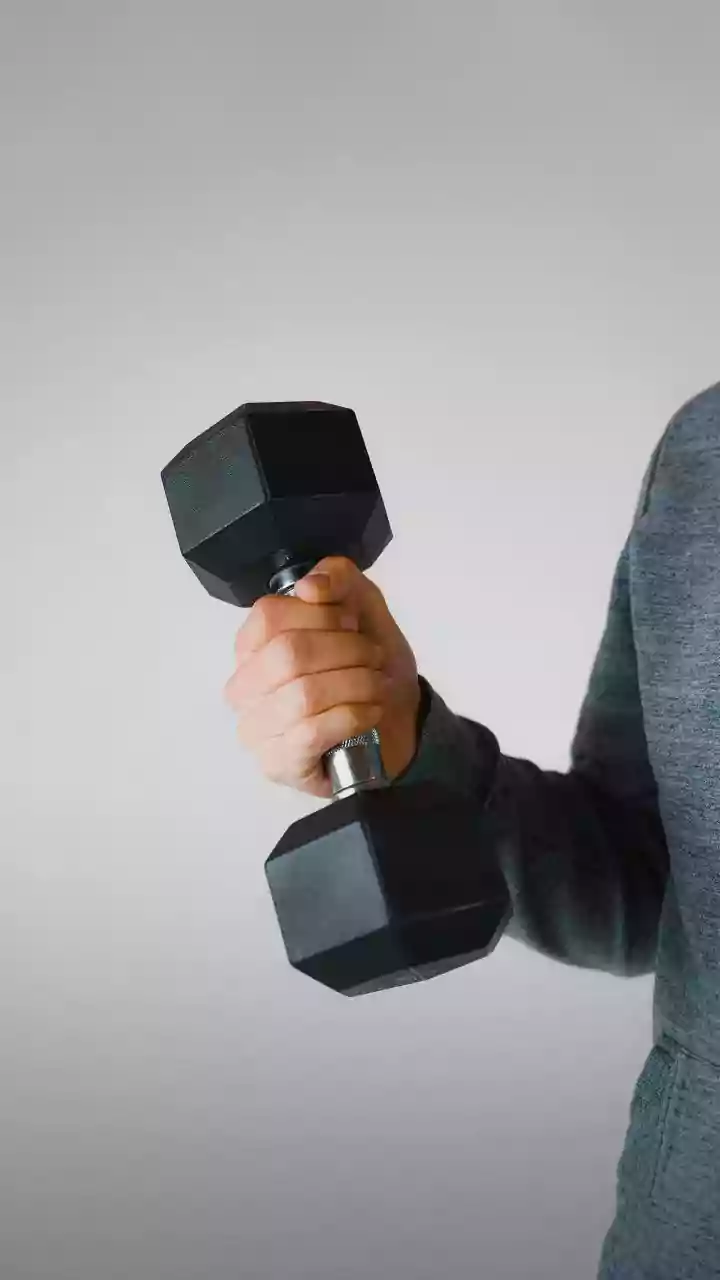
It is critically important that these medications are never self-administered or used in isolation. Proper treatment necessitates careful attention to the correct dosage, a gradual increase in the dose over time (titration), and continuous health monitoring by a medical professional. These injections are designed to complement, rather than replace, fundamental lifestyle modifications such as balanced nutrition and regular physical activity. The medication can create an advantageous metabolic state and suppress appetite, but it is the patient's commitment to adopting healthier habits that ultimately sustains the weight loss and improves overall well-being. The drug provides a supportive environment, but the active effort and commitment to change must come from the individual.
Access and Storage
Two significant challenges are emerging in India concerning the accessibility and safe handling of these medications. Firstly, regulatory oversight is a major concern, as these injections are often available for purchase without a prescription in many locations, thereby facilitating their misuse. This lack of stringent control makes it easier for individuals to obtain and use them inappropriately. Secondly, the proper storage of these drugs presents a substantial hurdle. They require strict temperature control to maintain their efficacy and safety; any disruption in the cold chain during transportation or storage can compromise the medication, potentially reducing its effectiveness or even rendering it unsafe for consumption. This issue is particularly prevalent in non-metro areas where supply chains might be less robust and temperature monitoring more challenging.
A Realistic Approach
The widespread success of these medications highlights a broader societal shift, reflecting an increasing demand for efficient and effective methods of weight management amidst the pressures of modern life. However, this pursuit of efficiency can come at a cost if not approached prudently. When used responsibly and under expert medical supervision, these drugs can be immensely beneficial tools for improving health. Conversely, their misuse can inadvertently create new health problems while attempting to solve existing ones. The key takeaway is not to instill fear, but to foster knowledge and understanding. Consulting with a competent physician, gaining insight into one's own body, and embracing a holistic approach that combines appropriate medication with lifestyle changes remains the most reliable and sustainable path to long-term health, as genuine well-being is a journey, not a quick fix.