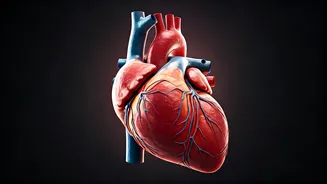







HIIT: Heart Health
HIIT can significantly improve cardiovascular health. It's not just about getting your heart rate up; it's about pushing it to the limits, then allowing
for recovery. This process strengthens the heart muscle, making it more efficient at pumping blood. Studies show that regular HIIT workouts can lower blood pressure and improve cholesterol levels, decreasing the risk of heart disease. The bursts of intense activity and brief recovery periods train the heart to function optimally under stress, leading to a healthier cardiovascular system. The fluctuating intensity challenges the heart in a way that steady-state cardio often doesn't, resulting in better overall heart health.
HIIT: Calorie Burning
HIIT workouts are exceptionally effective for burning calories. The high-intensity nature of the exercises means you torch a significant number of calories in a short amount of time. Beyond the immediate calorie burn during the workout, HIIT also triggers the 'afterburn effect,' also known as Excess Post-exercise Oxygen Consumption (EPOC). This means your body continues to burn calories at an elevated rate for hours after the workout has ended. This extended calorie-burning period is a major advantage for weight loss and overall fitness, making HIIT a powerful tool for those aiming to shed pounds and improve body composition.
HIIT: Metabolic Boost
HIIT can significantly boost your metabolism. The intense bursts of exercise stimulate the body's metabolic processes, increasing the rate at which you burn calories, even at rest. This metabolic boost is partly due to the increased muscle mass that can result from HIIT workouts. Muscle tissue is more metabolically active than fat tissue, meaning it requires more energy to maintain. Furthermore, HIIT improves insulin sensitivity, which helps the body process glucose more efficiently and reduces the risk of type 2 diabetes. By enhancing both muscle mass and insulin sensitivity, HIIT supports a healthier metabolism and helps the body efficiently use and store energy.
HIIT: Muscle Building
While HIIT is often associated with cardio, it also contributes to muscle building, particularly when combined with bodyweight exercises or light weights. The high-intensity nature of the workouts challenges your muscles, prompting them to adapt and grow stronger. This helps improve both strength and endurance. The combination of intense intervals and brief recovery periods can promote muscle protein synthesis, essential for muscle repair and growth. Including exercises that target multiple muscle groups, such as squats, push-ups, and burpees, further enhances this muscle-building effect, making HIIT a well-rounded approach for improving both cardiovascular fitness and muscular strength.
HIIT: Efficiency & Time
One of the most appealing aspects of HIIT is its time efficiency. Unlike traditional workouts that can take an hour or more, HIIT sessions are typically short, often lasting between 20 to 30 minutes. This makes it an ideal option for people with busy schedules who struggle to find time for exercise. Despite its brevity, HIIT provides a comprehensive workout that delivers significant benefits. The structured intervals allow you to maximize your effort in a short amount of time. This efficiency makes it easier to fit exercise into your daily routine, increasing the likelihood of sticking to a regular fitness program and achieving your health goals.
HIIT: Improved Endurance
HIIT enhances both aerobic and anaerobic endurance. The alternating periods of high-intensity exercise and brief recovery periods improve the body's ability to utilize oxygen (aerobic) and function without oxygen (anaerobic). Over time, your muscles become more efficient at using energy, reducing fatigue during workouts. This improvement in endurance translates to better performance in various activities, whether it's running, swimming, or everyday tasks. Regular HIIT sessions gradually increase your stamina and make it easier to sustain physical efforts for longer durations. This dual benefit makes HIIT a comprehensive method for enhancing overall fitness and physical capabilities.
HIIT: Versatility & Accessibility
HIIT is highly versatile and accessible, making it suitable for a wide range of individuals with varying fitness levels. The workouts can be adapted to almost any exercise, including running, cycling, swimming, or bodyweight exercises. You can modify the intensity and duration of the intervals to match your fitness level. This adaptability allows beginners to start slowly and gradually increase the intensity and duration as they get fitter. Additionally, you can do HIIT almost anywhere, whether at home, in a gym, or outdoors. This accessibility makes it easy to incorporate HIIT into your routine, regardless of your location or equipment availability, and contributes to its widespread appeal and effectiveness.