



Celestial Spectacle Arrives
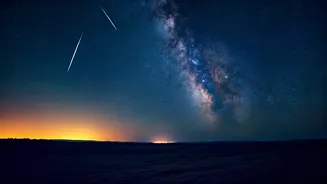
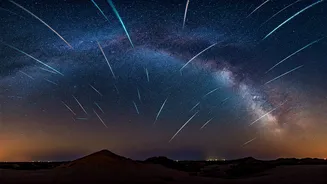
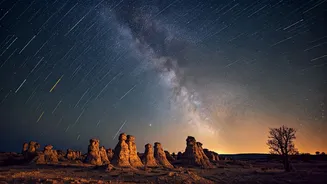
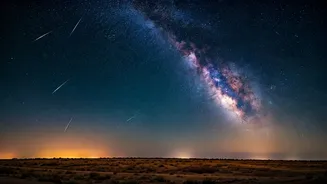
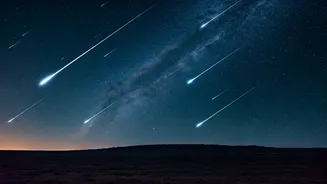
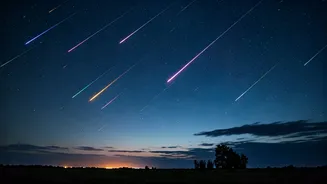
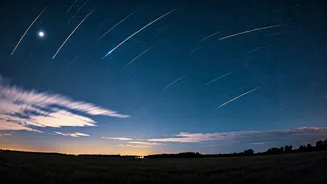
The Eta Aquarid meteor shower, a highly anticipated annual event, is set to grace our skies, promising a mesmerizing experience for stargazers. This particular
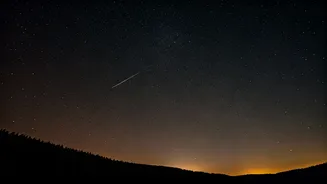
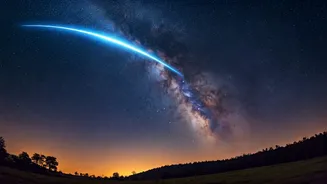
shower is renowned for its vibrant, swift meteors that leave brilliant trails across the darkness. Its origin traces back to the cosmic dust and debris shed by the famed Halley's Comet as it traverses its orbit around the sun. Each year, as Earth passes through this trail, the minuscule particles ignite upon entering our atmosphere at incredible speeds, creating the breathtaking phenomenon we call 'shooting stars'. Although often more intense in the southern hemisphere, dedicated observers in India can still anticipate a notable display, provided atmospheric conditions are clear and favorable for viewing this spectacular cascade of light.
Prime Viewing in India
For those in India eager to witness the Eta Aquarid meteor shower, the optimal window of opportunity will be during the early morning hours of May 6th, marking the peak of the shower. The most opportune time for observation is anticipated to be between 3:00 AM and 5:00 AM Indian Standard Time, just as dawn begins to approach. This period is ideal because the shower's radiant point, the area in the sky from which the meteors appear to emanate, will be positioned higher in the sky. A higher radiant generally leads to a more frequent and abundant sighting of meteors. For those who might be hampered by local weather or light pollution, free online live streams are also available from observatories worldwide, ensuring you don't miss the celestial show.
What to Expect and How
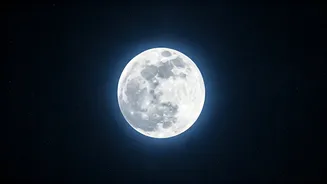
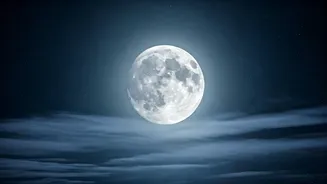
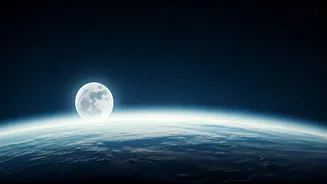
Under perfect conditions, skywatchers in India might be treated to anywhere from 10 to 30 meteors per hour. However, this year's viewing experience may be somewhat subdued due to the presence of a bright waning gibbous moon, which could potentially obscure the fainter meteors. This lunar interference might reduce the observable rate to fewer than 10 meteors per hour in many locations. Nevertheless, the Eta Aquarids are celebrated for their impressive speed and luminous trails, meaning any visible meteor is likely to be a bright and memorable spectacle. To enhance your viewing, orient yourself towards the eastern horizon before sunrise. The meteors will appear to originate from the vicinity of the constellation Aquarius. Rather than staring directly at Aquarius, it's more effective to gaze at a darker expanse of sky approximately 30 to 40 degrees away from it, roughly the span of four closed fists held at arm's length. This wider field of view often captures meteors as they streak across the sky.