






Pollution's Silent Threat
The air quality in Delhi has been a persistent concern for years, and a new study is shedding light on its direct impact on cardiovascular health. The study indicates
a notable rise in heart-related emergencies during periods of poor air quality. This suggests a strong correlation between environmental pollution and the incidence of cardiac issues, affecting a wide range of individuals. The fine particulate matter and other pollutants present in the air are believed to contribute to inflammation and stress on the cardiovascular system. This, in turn, can increase the risk of heart attacks, strokes, and other serious cardiac events. The findings highlight the urgency of addressing air pollution to protect the health of Delhi's residents.
Understanding Heart Emergencies
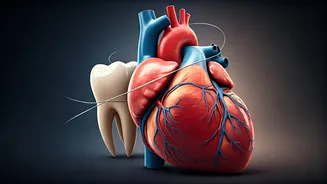
The term 'heart emergencies' encompasses a variety of acute conditions that require immediate medical attention. These can include heart attacks, characterized by chest pain, shortness of breath, and other symptoms. Strokes, caused by a disruption of blood supply to the brain, also fall into this category, often presenting with sudden weakness, speech difficulties, or facial drooping. Additionally, conditions such as angina, a type of chest pain, and arrhythmias, irregular heartbeats, can also signify emergencies that necessitate prompt medical intervention. The study's findings indicate an increase in the frequency of these emergencies, placing a strain on healthcare resources and underscoring the severity of the problem.
The Pollution Link Explained
The connection between air pollution and heart emergencies is multi-faceted. When pollutants enter the body through inhalation, they can trigger inflammation and oxidative stress. These processes can damage blood vessels and contribute to the formation of plaque, leading to a buildup that can restrict blood flow to the heart. Moreover, air pollution can directly affect the autonomic nervous system, which regulates heart rate and blood pressure, leading to abnormalities. Exposure to pollutants also increases the likelihood of blood clots, which can block arteries and cause heart attacks and strokes. This biological process indicates that pollution is not simply a risk factor, but a direct contributor to cardiovascular issues.
Protecting Your Heart
Given the link between pollution and heart health, individuals can take proactive measures to reduce their risk. One crucial step is to monitor air quality alerts and limit exposure to polluted air when levels are high. This can involve staying indoors, particularly during peak pollution times. If outdoor activities are unavoidable, wearing a mask can help filter out harmful particles. Furthermore, adopting a heart-healthy lifestyle is essential. This includes a balanced diet rich in fruits, vegetables, and whole grains, combined with regular physical activity. Managing stress levels and avoiding smoking are also key components of a preventative strategy. Regular medical check-ups and screenings can help detect potential heart problems early.
Seeking Medical Assistance
Recognizing the signs of a heart emergency and knowing when to seek help is critical. Symptoms such as chest pain or pressure, shortness of breath, radiating pain in the arm, jaw, or back, and sudden weakness or dizziness should prompt immediate medical attention. If experiencing any of these symptoms, call emergency services immediately. Quick intervention can significantly improve the chances of survival and recovery. Emergency medical professionals are trained to provide immediate care and transport patients to the nearest hospital for further treatment. Early detection and treatment can prevent long-term complications and save lives. Timely action is paramount in addressing cardiovascular emergencies.