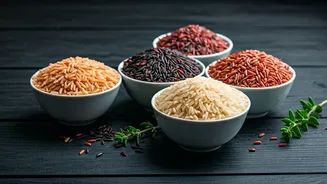

Why Choose Differently?
For many years, white rice has been a staple in diets around the world, particularly in India. However, it's increasingly evident that for individuals
managing diabetes or seeking better health, white rice might not be the best option. The primary issue lies in its high glycemic index (GI), which can cause rapid spikes in blood sugar levels. Choosing rice varieties with a lower GI is crucial for those who are watching their blood sugar levels. This shift towards alternative rice types supports a more balanced and health-conscious approach to eating, especially for those with specific dietary needs.
Brown Rice Benefits
Brown rice stands out as a clear winner due to its superior nutritional profile when contrasted with white rice. It undergoes minimal processing, retaining its bran and germ layers, which are rich in fiber, vitamins, and minerals. This high fiber content significantly aids in regulating blood sugar levels by slowing down the absorption of glucose. Additionally, brown rice is an excellent source of magnesium, which plays a role in glucose metabolism. Incorporating brown rice into your meals supports better glycemic control, offering a more stable and sustained energy release than white rice. It is not just about avoiding sugar spikes; brown rice contributes to overall health and well-being.
The Goodness of Black Rice
Black rice, often called 'forbidden rice', is another powerful option. It boasts an impressive antioxidant content, primarily anthocyanins, which are responsible for its dark color and are beneficial for fighting inflammation. Beyond antioxidants, black rice has a lower GI compared to white rice and can thus contribute to more stable blood sugar levels. This type of rice offers a unique combination of nutritional value and potential health benefits. Its slightly nutty flavor and satisfying texture make it a great addition to various dishes, blending health with culinary delight. Including black rice in your diet means you are selecting a delicious and wholesome grain.
Red Rice's Advantages
Red rice offers a wealth of nutrients, including iron and zinc, while also possessing a lower GI than white rice. Its red hue comes from anthocyanins, similar to black rice, providing antioxidant advantages that can protect against cellular damage. The fiber content of red rice helps in slow digestion and also promotes a feeling of fullness, which can be useful for weight management, often related to diabetes. It's a great selection for anyone aiming to enhance their diet with a mix of taste and considerable health advantages. Red rice is a tasty and nourishing choice, with its natural goodness.
Basmati's Healthy Side
While white basmati rice has a moderate GI, brown basmati rice provides a healthier alternative. Brown basmati rice retains the bran layer, increasing its fiber content and consequently impacting blood sugar levels more favorably. It is known for its distinctive aroma and delicate flavor. It is a satisfying option that fits well into a well-balanced diet plan. Considering brown basmati rice helps in making informed food choices, particularly for individuals aiming to regulate blood sugar levels. By switching to brown basmati rice, you're not just enhancing the flavor of your meals but also supporting better health and wellness.