




Nurturing Wildflower Beginnings
While the term 'wildflower' suggests self-sufficiency, achieving a vibrant display requires attentive care, especially during the crucial germination phase.
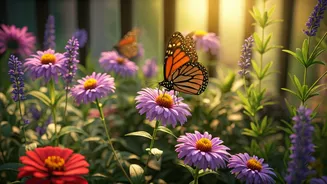
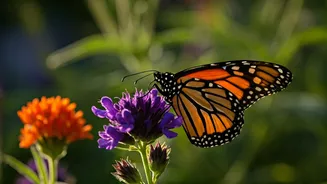
These beautiful, often native plants, which are vital for supporting local pollinators like bees and butterflies, don't just spring to life without a little help. Experts emphasize that just like any other plant you'd sow, wildflower seeds need consistent watering to successfully sprout and take root. Although many wildflowers are naturally adapted to tolerate drier and warmer conditions once established, their initial journey from seed to seedling demands a supportive environment. This consistent moisture is paramount for encouraging germination and ensuring the young plants develop a strong foundation for future growth and resilience, making the initial watering regimen a key factor in their success.
Daily Dew for Sprouts
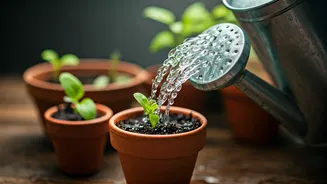
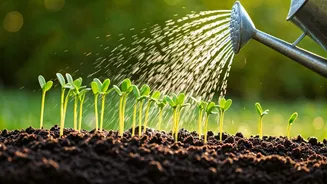
The key to encouraging wildflower seeds to sprout lies in a diligent watering schedule, particularly in the initial stages. Gardening professionals recommend watering these seeds daily until the first signs of germination appear, which typically occurs within one to three weeks. It's important to maintain a consistently moist soil environment without allowing it to become waterlogged, as this can be detrimental. Using a watering can with a fine sprinkler head or a hose on a gentle spray setting is advised to evenly distribute water and avoid dislodging the delicate seeds. This daily watering acts as a vital support system, providing the essential hydration needed for these young plants to embark on their life cycle successfully. Think of it as offering them the best possible start, acknowledging that they aren't entirely self-sufficient from the moment they are sown.
Seedling Stage Support
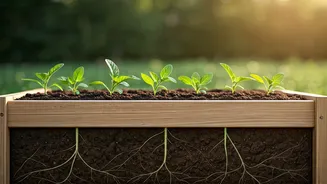
Once your wildflower seeds have germinated and transformed into tiny seedlings, the need for attentive watering continues. To foster strong root development and ensure these young plants establish themselves firmly in your garden, the soil must remain consistently damp. This crucial phase, where seedlings typically grow to about four to six inches in height, can last for approximately four to six weeks. During this period, a watering schedule of lightly watering every other day is generally sufficient to provide the ideal moisture balance—aiming for dampness rather than saturation. This ongoing care is akin to nurturing a young plant, giving it the necessary conditions to develop a robust root system. After this critical establishment period, the watering demands will naturally lessen as the wildflowers mature.
Mature Wildflower Independence
As your wildflowers mature and establish a solid presence in your garden, their reliance on frequent watering diminishes significantly. Native varieties, in particular, possess an impressive ability to adapt to local climatic conditions and often thrive with minimal intervention. While it's prudent to monitor them during prolonged dry spells or drought conditions and offer a deep watering if necessary, they are generally equipped to manage their own hydration needs. For perennial wildflowers, this independence becomes even more pronounced after their second year. Having successfully adapted to the local environment, they can typically be left to their own devices, benefiting from the natural fluctuations in weather patterns. This low-maintenance characteristic is a significant part of their appeal, allowing gardeners to enjoy their beauty with far less hands-on effort once established.