







Embrace Playfulness & Fun
When designing a child's room, it's crucial to prioritize fun and creativity. Start by selecting vibrant color schemes and playful themes that resonate
with the child's interests, whether it's superheroes, animals, or outer space. Incorporate themed decor items such as character-themed bedsheets, wall art, and playful furniture to enhance the overall ambiance. Moreover, ensure that the room layout accommodates active play areas with plenty of open space for activities like playing games, reading, or creating art. This approach not only stimulates imagination but also encourages a positive and enjoyable environment for the child to thrive.
Smart Tech Integration
Integrating smart technology can revolutionize a child's room. Consider installing smart lighting systems that allow for adjustable color settings and brightness levels, offering mood control and energy efficiency. Add a smart speaker for music, audiobooks, and interactive learning experiences. For enhanced safety and security, explore smart security cameras and door sensors to keep an eye on the room and ensure the child's well-being. Furthermore, incorporate smart storage solutions such as automatic toy organizers or connected drawers to create an interactive and easy-to-manage space. Such integration promotes technological literacy and provides a futuristic environment.
Color Palette Choices
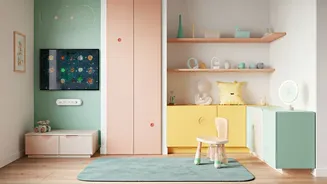
Selecting the right color palette is key to creating a harmonious and stimulating environment for kids. For a calming space, opt for soft pastels like gentle blues, greens, or yellows. These colors promote a sense of tranquility and are ideal for relaxation and sleep. Alternatively, if the goal is to boost energy and creativity, bright and vibrant hues such as bold reds, oranges, and yellows work wonders. When combining colors, balance is essential. Consider using a neutral backdrop, such as white or light gray, to prevent the room from feeling overwhelming. Use pops of color through accent walls, bedding, and accessories to infuse personality and dynamism into the space, creating visual interest without sacrificing harmony.
Themed Decor Elements
Incorporating themed decor can transform a regular room into an extraordinary space. Start by selecting a theme that reflects your child's passions, be it animals, vehicles, or a specific fictional world. Use themed wallpaper, murals, or wall decals to establish the design. For example, a jungle theme could include animal-shaped cushions, lush green curtains, and animal prints. Similarly, a space-themed room might feature glow-in-the-dark stars, astronaut-themed bedding, and rocket-shaped shelves. Integrate themed furniture and accessories, such as a race-car bed or a princess castle playhouse, to complete the transformation. The key is to create an immersive environment that stimulates the child's imagination and fosters creativity.
Smart Storage Solutions
Effective storage is essential for keeping a child's room organized and clutter-free. Invest in adaptable storage solutions such as modular shelves, which can evolve as the child's needs change. Use storage containers, baskets, and bins to organize toys, books, and art supplies. Opt for furniture with built-in storage, such as beds with drawers or benches with storage compartments, to maximize space. Label all storage units clearly to make it easy for children to find and put away their belongings. Encourage children to participate in the organization process by teaching them how to sort and store their items properly. This way, they will learn crucial organizational skills and maintain a tidy environment.
Create Zones & Spaces
To optimize the usability of a kid's room, create distinct zones for different activities. Designate a play area with open space, soft rugs, and a selection of toys. Establish a study zone equipped with a desk, comfortable chair, and good lighting for homework and creative projects. Develop a cozy reading nook with a comfortable chair or beanbag and a bookshelf filled with favorite books. For sleeping, make sure the bed area is comfortable and relaxing, perhaps with blackout curtains to promote restful sleep. Using different color schemes, furniture arrangements, or room dividers (such as curtains or screens) can visually define each zone, encouraging organization and making the room adaptable and functional for various activities.
Lighting Considerations
Lighting plays a significant role in setting the mood and functionality of a child's room. Incorporate a layered lighting plan that includes ambient, task, and accent lighting. Install overhead lighting for general illumination, task lighting over the study desk or reading area, and accent lighting to highlight decor or create a cozy atmosphere. Use dimmer switches to adjust the brightness based on the activity. Consider adding night lights for comfort and security. Natural light is crucial; position the bed and study area to take advantage of sunlight during the day. This layered approach ensures the room is well-lit for all activities and creates a welcoming atmosphere.
Sustainable Practices & Decor
Incorporate sustainable and eco-friendly practices in the design of a kid's room. Choose non-toxic paints and finishes to improve indoor air quality and protect the health of your child. Opt for furniture made from sustainable materials such as reclaimed wood or bamboo. Use organic cotton or recycled materials for bedding and curtains. Incorporate upcycled decor items and DIY projects, promoting creativity and reducing waste. Encourage recycling and teach children about environmental awareness by including recycling bins and explaining the importance of sustainability. These efforts not only contribute to a healthier environment but also teach valuable lessons to children about responsibility.
Incorporate Art & Creativity
Fostering creativity is a crucial aspect of designing a kid's room. Establish a dedicated art area with an easel, art supplies, and a designated space for crafting. Encourage the child to create and display their artwork throughout the room. Designate a wall for a chalkboard or whiteboard where the child can draw and write freely. Include inspiring elements such as art prints, posters, or murals that reflect the child's interests and spark their imagination. Arrange art supplies in an organized manner, making them easily accessible and inviting to the child. This approach encourages creativity and provides the child with a space to express themselves freely.
Furniture Arrangements
The placement of furniture is crucial for maximizing space and ensuring functionality. Place the bed away from the door and windows to create a sense of security and privacy. Position the desk near natural light to provide an optimal workspace. Make sure there is enough space to walk and move easily around the room. Consider multi-functional furniture, such as a bed with built-in storage or a desk with a pull-out shelf, to save space. Adjust the furniture arrangements to accommodate the child's age and evolving needs, allowing for both practicality and flexibility in how the room is utilized.
Reading Nooks Design
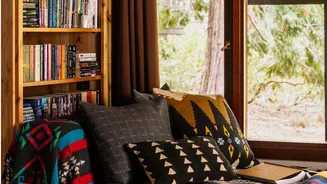
Creating a cozy reading nook encourages a love for reading and provides a calming space. Incorporate a comfortable seating option, such as a beanbag chair, oversized cushions, or a small sofa. Provide soft lighting, such as a bedside lamp or string lights, to make the space inviting. Include a bookshelf stocked with the child's favorite books and age-appropriate options. Add personal touches such as a favorite blanket or a small table to hold snacks and drinks. The reading nook should be a quiet, comfortable space where the child can relax, read, and explore new worlds. This area is essential for fostering a love of reading.
Wall Decor & Accents
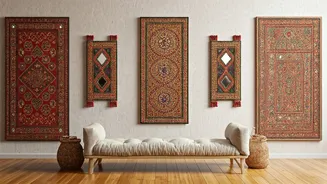
Wall decor and accents can personalize a kid's room and reflect their personality. Choose wall art and posters that reflect the child's interests, whether it's superheroes, animals, or art prints. Use decals and stickers to add playful elements and create a dynamic atmosphere. Create a gallery wall with the child's artwork, photos, and other mementos. Incorporate decorative shelves to display toys, books, and decorative objects. Consider adding a mirror to make the room appear larger and brighter. Make sure the decor complements the overall theme and color scheme. This personalized approach transforms a space into something unique.
Window Treatments
Window treatments not only enhance the room's aesthetics but also serve practical purposes. Choose curtains or blinds that complement the room's color scheme and theme. Opt for blackout curtains for better sleep quality, especially if the room receives a lot of sunlight. Use sheer curtains for privacy while still allowing natural light to filter through. Consider adding decorative valances or tiebacks for visual interest. Choose window treatments made from durable and child-safe materials. This will assist in controlling light and enhancing the room's appearance, creating a comfortable and practical environment.
Safety Considerations
Ensuring safety is a key aspect of designing a kid's room. Secure furniture to the wall to prevent tip-over accidents. Cover electrical outlets with safety covers and hide cords and wires. Choose non-toxic paints and finishes. Ensure the room is well-ventilated and free from potential allergens. Use child-safe materials for furniture and decor, avoiding small parts or choking hazards. Check the room regularly for potential dangers, such as sharp edges or loose items. The focus on safety ensures that the room is a secure environment for a child to play and thrive.
Adapting to Growing Needs
As children grow, their needs and interests change. Design a room that adapts to their evolving needs. Choose furniture that is adaptable, such as beds with adjustable heights or desks that can grow with the child. Select storage solutions that can be easily reconfigured. Keep the decor simple and versatile, allowing for changes as the child's preferences evolve. Involve the child in the design process to reflect their changing interests. The flexibility and versatility of the room design ensure that it remains functional and enjoyable as the child grows and their tastes change.