


Sattu: Instant Energy Drink
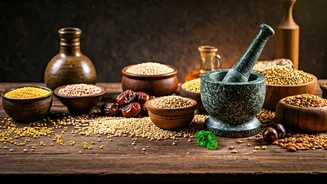
In the relentless heat of northern India, sattu emerged as a vital sustenance for warriors and travelers. This remarkable food, derived from roasted gram
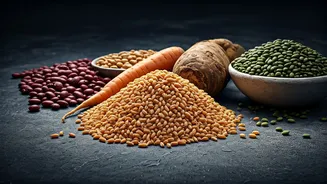
flour, offered unparalleled convenience and rapid energy replenishment. Simply mixed with water, salt, jaggery, or spices, sattu could be transformed into an instant beverage that was both satisfying and highly effective at quickly restoring vital energy reserves. Its primary appeal lay in its ease of preparation; roasted gram flour required no complex cooking, allowing for quick readiness even during arduous journeys. A small amount of sattu could easily form a filling drink or be used to create a dough, solidifying its status as a dependable and practical source of nourishment. Historical accounts and continued use by farmers and laborers attest to its efficacy. The flour's inherent richness in protein, fiber, and essential minerals like iron and magnesium provides sustained energy release, effectively warding off fatigue. This made it a staple for soldiers undertaking long marches and continues to be recognized as a natural energy booster that keeps the body cool and nourished during demanding physical labor.
Bajra Roti with Ghee
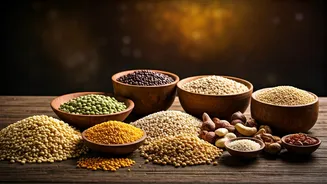
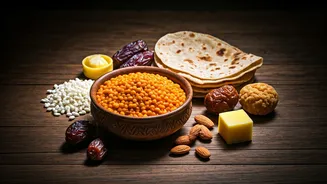
The arid expanses of Rajasthan, home to formidable warrior clans like the Rajputs, relied heavily on resilient grains for sustenance. Pearl millet, or bajra, stood out as a cornerstone of their diet. Warriors would consume thick bajra rotis, generously coated with ghee, to prepare for days filled with intense physical challenges. Bajra is a nutritional powerhouse, abundant in complex carbohydrates, iron, and protein, which are crucial for maintaining prolonged stamina. When enhanced with ghee, a concentrated source of beneficial fats, this simple dish delivered sustained energy and supported muscle repair and recovery. Moreover, bajra's adaptability to harsh desert conditions, where other crops struggle to thrive, made it an invaluable and consistent food source for communities inhabiting rugged landscapes. Its dense nutritional profile ensured that even basic preparations provided enduring energy and fortitude for extended periods of strenuous activity. The deceptively simple nature of this meal belied its potency; a couple of bajra rotis could sustain a warrior with energy for many hours.
Khichdi: Balanced Sustenance
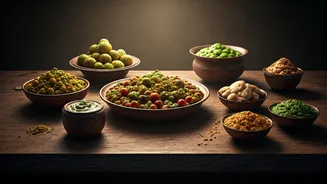
Often perceived today as a comforting dish, khichdi once served a crucial practical purpose in nourishing warriors and travelers. This meal, prepared by simmering rice and lentils together with subtle spices, offered a perfectly balanced intake of carbohydrates and protein. Khichdi was not only easy to digest but also provided sufficient flavor and sustenance to maintain energy levels effectively. For soldiers engaged in campaigns or undertaking long journeys, this meal ensured the body received a steady supply of nutrients without placing undue stress on the digestive system. Over time, the culinary world recognized that incorporating ghee enhanced both its texture and caloric value, making it an uncomplicated yet highly effective dish for maintaining physical strength. Its simple preparation and wholesome ingredients made it an ideal choice for those needing consistent energy and nourishment during demanding times.
Badam Milk: Vitality Tonic
Within numerous royal courts, physical prowess was augmented not solely through rigorous training but also via meticulously prepared beverages. Badam milk, a concoction of milk infused with almonds, saffron, and select spices, became synonymous with vitality and vigor. Almonds are particularly rich in healthy fats, protein, and vitamin E, while milk contributes essential calcium and additional protein. This combination creates a potent blend that bolsters muscle strength and enhances overall endurance. The inclusion of warming spices, often added to the drink, was also believed to aid digestion and improve circulation, adding a layer of therapeutic benefit. Beyond its nutritional contributions, the drink was esteemed for the gradual, sustained energy it provided. A warm serving was frequently consumed in the morning or before retiring for the night, allowing the body to absorb its nutrient-rich essence gradually. The synergistic blend of milk fats, almond protein, and mild spices rendered it both comforting and restorative, contributing to overall well-being.
Gond ke Laddoo: Strength Sweets
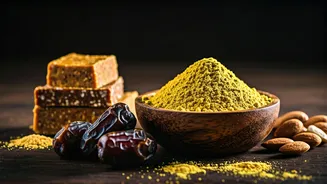
In traditional Indian households, edible gum, known as gond, has historically been a key ingredient in crafting sweets designed to build strength. Gond ke laddoo, in particular, were highly prized among warriors and wrestlers for their restorative properties. These delightful spheres combine gond with wheat flour, various nuts and seeds, and a generous amount of ghee, creating a dense and energy-rich treat. The preparation itself is a testament to generations of culinary wisdom focused on optimal nutrition. Ingredients are often gently roasted to release their natural oils and enhance their aroma, resulting in a concentrated mixture engineered to provide sustained energy for extended periods of physical exertion. Such sweets were commonly consumed during the colder months or following rigorous training sessions, when the body required warmth, enhanced stamina, and efficient recovery. When subjected to heat, gond expands and becomes crisp, adding both a unique texture and a significant nutritional boost to the laddoo. The combined ingredients offer a rich source of healthy fats, protein, and minerals, making them exceptionally beneficial for muscle regeneration and maintaining joint health after intense physical activity.
The Legacy of Warrior Foods
Throughout the vast expanse of Indian history, from the fierce battlefields of ancient kingdoms to the disciplined environments of traditional training grounds, food was always more than just sustenance; it was the very essence of fuel for endurance, strength, and mental acuteness. Long before the advent of modern protein powders and nutritional supplements, warriors depended on hearty, nutrient-dense meals prepared from grains, ghee, milk, and aromatic spices. These foods were instrumental in fortifying the body and sustaining energy throughout long days dedicated to training and combat. Many of these potent dishes continue to be a part of traditional Indian kitchens today, although their historical significance as foundational elements of warrior diets is often overlooked. These six ancient Indian dishes represent a culinary heritage that actively contributed to building resilience, stamina, and unwavering strength in those who relied upon them.