


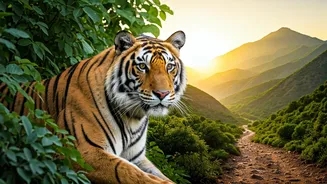
India's Park Powerhouse
While many might guess Uttar Pradesh or Uttarakhand, it's the central Indian state of Madhya Pradesh that proudly holds the title for housing the highest
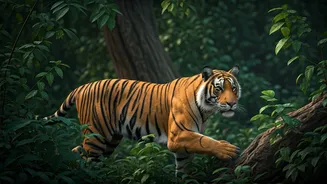
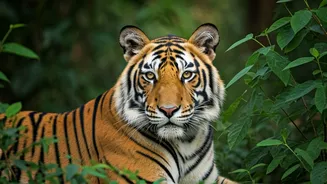
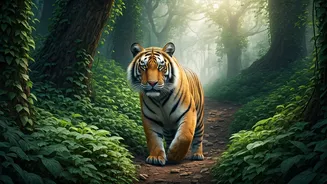
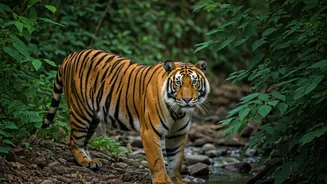
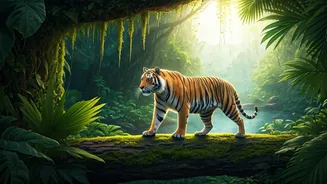
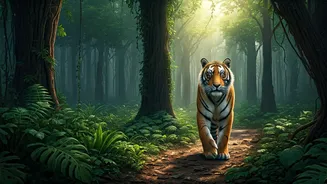
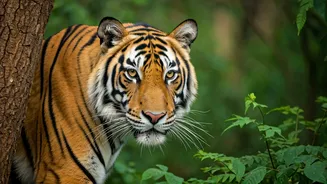
number of national parks in India, with a total of 11 to 12 such vital conservation areas. Known affectionately as the 'Tiger State' due to its thriving big cat population, this region is a critical hub for India's rich biodiversity and national heritage. These parks are not merely scenic spots but are crucial habitats safeguarding a vast array of flora and fauna, playing an indispensable role in protecting endangered species and preserving delicate ecosystems. Madhya Pradesh, situated at the very core of India, offers a mosaic of landscapes, from dense forests to open grasslands, making it an unparalleled destination for wildlife enthusiasts and conservationists alike. Its commitment to wildlife conservation is evident in the continuous efforts to maintain and enhance these natural havens.
Kanha's Kipling Charm
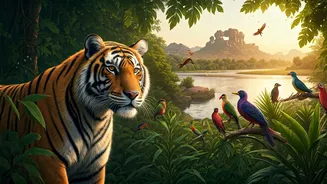
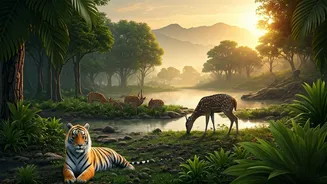
Often lauded as one of India's most pristine and well-managed national parks, Kanha is an expansive sanctuary of approximately 940 square kilometers, making it the largest in Madhya Pradesh. This park is a visual feast, characterized by its abundant sal and bamboo forests interspersed with vast, open meadows that offer excellent opportunities to witness tigers, the elusive barasingha (swamp deer), magnificent gaurs, nimble leopards, and a spectacular variety of birdlife. Kanha's evocative landscapes are said to have inspired Rudyard Kipling's timeless classic, 'The Jungle Book,' adding a layer of literary magic to its natural splendor. The park is a premier destination for exhilarating jeep safaris, allowing visitors an immersive experience into its wild heart and providing a genuine glimpse into the ecosystem that may have fueled such iconic storytelling.
Bandhavgarh's Ancient Hills
Bandhavgarh National Park presents a dramatic and historically rich environment, dominated by striking sandstone hills and ancient fort ruins that emerge from dense forests. This park is renowned for its exceptionally high tiger density, offering visitors frequent and often close-up sightings of these majestic predators, alongside leopards, sambar deer, and over 250 distinct bird species. Beyond its wildlife, Bandhavgarh holds significant historical importance as it was once a favored hunting ground for the maharajas of Rewa. The park's terrain, characterized by a mix of rocky outcrops and thick woodlands, provides a unique backdrop for wildlife viewing. The accessibility of tiger sightings, even during daylight hours, makes Bandhavgarh a particularly rewarding experience for those hoping to encounter India's most iconic big cat.
Pench's Riverine Serenity
Mirroring the enchanting settings described in Rudyard Kipling's 'The Jungle Book,' Pench National Park unfolds across a landscape of sprawling teak forests, bisected by the gentle flow of the Pench River and dotted with undulating hills. This park is celebrated for its thriving populations of tigers and leopards, as well as sightings of wild dogs and a diverse avian population. The scenic riverine belts, combined with a blend of dense jungle and open clearings, create a dynamic habitat that supports a rich variety of wildlife. Pench offers a balanced safari experience, appealing greatly to nature lovers who appreciate the interplay of water, forest, and wildlife. Its natural beauty and abundant wildlife make it a compelling destination for experiencing the essence of the Indian jungle.
Satpura's Untamed Terrain
Nestled south of the Narmada River, Satpura National Park distinguishes itself with its remarkably varied terrain, encompassing rugged hills, deep valleys, and winding rivers, all within the embrace of the Pachmarhi Biosphere Reserve. The park is characterized by its dense sal forests and is a sanctuary for unique inhabitants such as the sloth bear, the endemic Indian giant squirrel, leopards, and tigers. Beyond traditional jeep safaris, Satpura offers exceptional opportunities for trekking and boat safaris, allowing for a more intimate exploration of its wild landscapes. Photographers are particularly drawn to Satpura for its untouched, less-trafficked feel and its raw, natural beauty, providing a sense of pristine wilderness that is increasingly rare.
Panna's Plateau Vistas
Set against the backdrop of the striking Vindhya Plateau, Panna National Park is renowned for its breathtaking landscapes featuring deep gorges, the meandering Ken River, and dramatic waterfalls. The park has become a symbol of successful tiger conservation, demonstrating a remarkable recovery in its big cat population. Visitors have a good chance of spotting tigers, leopards, and various vulture species amidst its plateau and forested areas. Adding a layer of historical depth, Panna also contains ancient Neolithic-era rock paintings, offering a glimpse into its long human history. The combination of stunning natural scenery and revitalized wildlife makes Panna a uniquely captivating destination.
Kuno's Cheetah Legacy
Kuno National Park has garnered significant international attention as the pioneering site for India's ambitious cheetah reintroduction project. This park features a habitat characterized by dry deciduous forests and expansive grasslands, with the Kuno River flowing through it, supporting a burgeoning population of cheetahs, alongside leopards and other indigenous wildlife. Kuno represents a significant conservation success story, offering vast, open landscapes that are ideally suited for spotting the reintroduced big cats. Its sprawling plains and diverse vegetation provide a vital corridor for these magnificent animals, making it a crucial location for the future of cheetahs in India.
Van Vihar's Urban Oasis
Located conveniently within the city of Bhopal, Van Vihar National Park offers a unique urban wildlife experience. This park functions primarily as a rescue and breeding center, housing animals in spacious, naturalistic enclosures designed to mimic their wild habitats. It provides an accessible way for visitors, including families, to observe tigers, bears, hyenas, crocodiles, and various deer species without the need for extensive safaris. While it has a more managed, zoo-like character, its setting within a scenic lakeside environment adds to its appeal. Van Vihar is an excellent option for those seeking a short, convenient, and educational wildlife encounter within an urban setting.