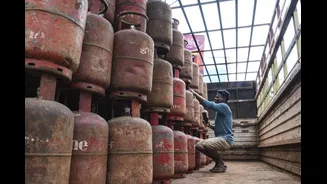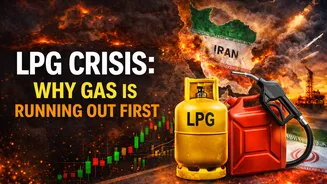





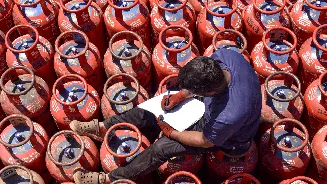


Fuel Supply Disruption
Geopolitical unrest in the Middle East has led to significant disruptions in India's energy import routes, particularly affecting the flow of Liquefied
Natural Gas (LNG). This has directly impacted base kitchens supporting Indian Railways' catering operations, jeopardizing the preparation of meals for long-distance train journeys. While pantry cars on trains themselves do not store LPG cylinders, the very source of the food they serve is experiencing supply chain issues. This situation has even pushed railway authorities to consider temporarily halting cooked meal services and issuing refunds for pre-booked meals, highlighting the severity of the fuel shortage.
IRCTC's Alternative Cooking
In response to the escalating crisis and its ramifications on fuel availability, the Indian Railway Catering and Tourism Corporation (IRCTC) has issued a crucial directive to all its licensees. This mandate requires food plazas, refreshment rooms, and Jan Aahar outlets across railway stations to embrace alternative cooking technologies. Specifically, vendors are being instructed to switch from traditional LPG-based cooking to methods utilizing microwave ovens and electric induction systems. This proactive measure is designed to ensure the continuity of food preparation and service for passengers, mitigating the potential impact of a prolonged energy supply crisis.
Government Assurances & Measures
Despite the challenges posed by the Middle East conflict, the Union Petroleum and Natural Gas Minister has assured the nation that domestic energy consumers will not face shortages. He emphasized that supplies of Compressed Natural Gas (CNG) and Piped Natural Gas (PNG) for households remain secure, and industries are largely receiving their required fuel. Steps have been taken to ensure 100% supply of CNG and PNG for domestic use, with other sectors receiving fuel based on capped allocations linked to their past consumption. The government has also invoked the Essential Commodities Act to manage current supply constraints and safeguard the domestic energy market, demonstrating a commitment to energy security amidst international turbulence.