





What is Ajwain?
Ajwain, also known as carom seeds, is a popular spice extensively used in Indian cuisine and traditional medicine. These tiny, oval-shaped seeds have a pungent,
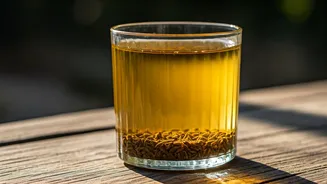
slightly bitter taste, often compared to thyme. They are packed with essential oils, vitamins, and minerals. Traditionally, ajwain has been prized for its medicinal properties, particularly its ability to improve digestion. The practice of consuming ajwain ka paani, or carom seed water, is a common practice, particularly in winter, because it is believed to help the body in maintaining warmth and improving digestion. Ajwain ka paani is an excellent choice for a healthy winter beverage due to its ease of preparation and the numerous health benefits it offers. The seeds are often consumed after a meal to help with the digestion of heavy foods. The practice of drinking ajwain ka paani is a testament to the wisdom of incorporating natural remedies into our daily lives.
Recipe: Grandma's Recipe
Creating ajwain ka paani is remarkably straightforward, making it an accessible remedy for everyday use. To begin, gather approximately one to two teaspoons of ajwain seeds. You'll also need one liter of water. Bring the water to a boil in a saucepan. Once boiling, add the ajwain seeds to the water. Reduce the heat and allow the mixture to simmer for about 5-10 minutes, letting the seeds infuse their essence into the water. After simmering, remove the pan from the heat and let the mixture cool slightly. Strain the water to remove the seeds. You can then drink the ajwain ka paani warm or at room temperature. For optimal results, consume it first thing in the morning or after meals to support healthy digestion. This simple recipe provides a warm, soothing drink that can be tailored to individual preferences; it showcases the effectiveness of time-tested home remedies.
Benefits for Winter
Ajwain ka paani offers several advantages, especially during the colder months. Its primary benefit is aiding digestion, which is crucial as the body's digestive processes can slow down in winter. The compounds within ajwain, like thymol, are known to stimulate the release of digestive enzymes. These enzymes help to break down food more efficiently and also alleviate issues like bloating, gas, and indigestion, commonly experienced during the season. Ajwain ka paani provides relief from common winter ailments. Its warming properties can help combat the cold, potentially reducing the risk of coughs and colds. Regular consumption may also help regulate metabolism, promoting overall wellness. Furthermore, ajwain is believed to have antimicrobial properties, which can help strengthen the immune system, making it a valuable addition to your winter health regimen.
When to Drink
To optimize the benefits of ajwain ka paani, knowing the best times to consume it is important. Many people prefer drinking it first thing in the morning on an empty stomach. This allows the body to absorb the nutrients effectively and prepares the digestive system for the day. Drinking it after meals is also beneficial, especially after heavier meals. This can help prevent bloating and indigestion. You can drink ajwain ka paani at different times throughout the day, depending on your needs. For those who experience digestive issues, incorporating it into their daily routine is a proactive approach. Listen to your body and adjust the timing based on your personal experiences and how your body responds. Consistency is key when it comes to reaping the benefits of ajwain ka paani, with regular consumption leading to improved digestive health.
Safety and Precautions
While generally considered safe, it’s vital to be aware of certain precautions before incorporating ajwain ka paani into your diet. For most adults, moderate consumption is well-tolerated. However, those with specific health conditions should exercise caution. Individuals with a history of ulcers or gastritis should consult a doctor before consumption, as ajwain’s acidity could potentially irritate the stomach lining. Pregnant or breastfeeding women should also seek medical advice before using ajwain ka paani. In some cases, excessive consumption can lead to side effects like heartburn or nausea. If you experience any adverse reactions, it's advisable to reduce the intake or consult a healthcare professional. Moderation and awareness of your body's response are essential to enjoying the benefits of this traditional remedy.
Children and Ajwain?
The question of whether children can consume ajwain ka paani frequently arises. For children, the appropriate dosage and frequency are crucial. It's often recommended to dilute the ajwain ka paani for children to reduce its potency. Start with a small amount and observe how the child reacts. Always consult a pediatrician before giving ajwain ka paani to children, particularly young ones or those with existing health issues. Pediatricians can offer personalized advice based on a child's age, weight, and overall health. They can guide you on safe amounts and the potential benefits, as well as identify any possible risks or contraindications. In smaller quantities, ajwain ka paani might help soothe minor digestive issues, such as occasional gas or bloating, in children. However, a doctor's guidance is vital to ensuring safe and effective use.