






Understanding Winter's Impact
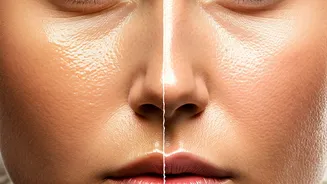
Winter's arrival heralds a significant shift for the skin, primarily due to plummeting humidity levels. The cold, dry air outside, coupled with heated
indoor environments, strips the skin of its natural moisture, leading to dehydration, flaking, and potential irritation. The skin's protective barrier becomes compromised, making it more vulnerable to environmental aggressors. This disruption of the skin's natural balance necessitates a tailored skincare approach. Changes in lifestyle and behavior during winter also contribute to skin concerns. Less time spent outdoors can mean less exposure to sunlight and vitamin D, crucial for skin health, impacting the overall complexion and well-being. Furthermore, harsh weather conditions such as wind, snow, and low temperatures can exacerbate pre-existing skin conditions, making the need for specialized products and routines even more pronounced.
Gentle Cleansing is Key
In winter, the focus shifts to gentle cleansers that remove impurities without stripping away natural oils. Look for creamy or oil-based cleansers formulated with moisturizing ingredients. Cleansers containing ceramides are particularly beneficial as they help to reinforce the skin's protective barrier, preventing moisture loss and keeping the skin hydrated. Avoid harsh soaps or foaming cleansers that can exacerbate dryness. Consider a cleansing balm to melt away makeup, dirt, and excess oil while leaving the skin feeling soft and supple. Another option is a hydrating face wash that effectively removes impurities while respecting the skin's natural balance. It is advisable to wash the face with lukewarm water, as hot water can further deplete the skin's moisture. Opting for a gentle cleanser prepares the skin for effective moisturization, which is crucial in winter.
Hydrating Moisturization is Vital
The cornerstone of a winter skincare routine is rich, hydrating moisturization. Choose moisturizers with humectants, emollients, and occlusives to draw moisture into the skin, soften it, and seal in hydration. Humectants like hyaluronic acid attract moisture from the environment, while emollients like shea butter or ceramides help to smooth and soften the skin. Occlusives, such as petrolatum or mineral oil, create a protective barrier to prevent water loss. For the face, consider a creamier moisturizer designed to protect against the elements. If you have oily skin, look for lighter, non-comedogenic formulas that still offer substantial hydration. Body lotions should also be upgraded during winter to provide more intense hydration. Applying moisturizer immediately after showering or washing your face helps to lock in moisture. For areas prone to dryness, such as elbows and knees, focus on products with richer, more emollient formulas.
Don't Forget Sunscreen!
Even in winter, sunscreen is non-negotiable. While the intensity of the sun's rays may seem diminished, ultraviolet (UV) radiation is still present and can damage the skin, leading to premature aging and increasing the risk of skin cancer. Choose a broad-spectrum sunscreen that protects against both UVA and UVB rays. Opt for a formula with an SPF of 30 or higher, and apply it liberally to all exposed skin. Sunscreen should be the final step in your morning skincare routine. For those with sensitive skin, consider mineral sunscreens containing zinc oxide or titanium dioxide, as these are less likely to cause irritation. Reapply sunscreen every two hours, especially if you spend time outdoors or are exposed to reflective surfaces like snow. Using sunscreen during winter contributes to year-round skin health.
Targeted Treatment Serums
Introduce targeted serums to address specific winter skincare concerns. Vitamin C serums are excellent for brightening the skin and protecting against environmental damage, while hyaluronic acid serums provide deep hydration. If you struggle with dry, flaky skin, consider a serum with ceramides to reinforce the skin's protective barrier. Serums are lightweight and easily absorbed, making them ideal for layering under moisturizers. Apply serums after cleansing and before moisturizing. For sensitive skin, introduce new serums gradually to avoid irritation. Remember that consistency is key when using serums. Visible results may take several weeks, but incorporating these products will improve overall skin health during the winter season. These treatments complement the foundation of gentle cleansing and intense moisturization.