




Late Night Activity Strain
Many people use evenings to cram in activities, from intense workouts to late work calls, often thinking it’s a way to unwind. However, these actions can
significantly elevate cortisol levels and place undue stress on the heart. Dr. Sharma strongly advises against strenuous physical activity as the day winds down. Nicotine, a common component in cigarettes, is particularly detrimental, as it constricts blood vessels and leads to a spike in blood pressure. The World Health Organization (WHO) identifies tobacco use as a primary global contributor to cardiovascular diseases. When the body is continuously stimulated, it struggles to achieve the necessary relaxation, impacting the heart's ability to recover.
The Coffee Conundrum
That comforting evening cup of coffee or tea, while seemingly harmless, can have a lasting impact. Caffeine's stimulating effects linger much longer than anticipated, keeping the nervous system on high alert, increasing heart rate, and delaying the onset of sleep. The consequence of this disrupted sleep is often higher blood pressure the following day. The U.S. Food and Drug Administration (FDA) points out that caffeine can remain active in your system for up to six hours or even longer, meaning a coffee consumed at 7 pm could still be affecting you at midnight. This continuous stimulation prevents the heart from ever truly switching off and entering its restorative phase.
Mindful Evening Adjustments
Evening habits are frequently overlooked, often perceived as well-deserved rewards after a long day. However, the heart doesn't interpret these actions as rewards; instead, it perceives them as critical signals. Making conscious choices, such as opting for a lighter dinner, reducing screen time, minimizing overall stimulation, and establishing a consistent sleep schedule, can significantly contribute to heart health. These adjustments can often achieve what medications attempt to manage later on, emphasizing the proactive role of daily routines in cardiovascular well-being.
The Sleep Debt Impact
The allure of 'just one more' video or episode often leads to significant sleep delays. While it may seem minor, the cumulative effect of this persistent 'night-owl' pattern is substantial. Dr. Sharma highlights that such habits are associated with a notable increase, up to 16%, in the risk of experiencing a heart attack or stroke. The American Heart Association (AHA) also reinforces this connection, linking insufficient sleep duration and irregular sleep timing directly to elevated cardiovascular risk. Sleep is not a passive state; it's a vital period for the heart's repair and recovery processes. By shortening sleep, you are inadvertently cutting short this crucial recuperation time.
Sodium-Rich Snack Dangers
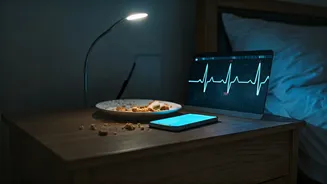
Late-night cravings frequently lead individuals to reach for salty snacks like chips or other processed items, which are notoriously high in sodium. Dr. Sharma explains that consuming these snacks prompts the body to retain excess water. This retention increases the overall blood volume that the heart must pump, thereby elevating blood pressure at a time when it should naturally be decreasing. The impact isn't solely about caloric intake; it's critically about the internal pressure within the arteries caused by this fluid overload.
Circadian Rhythm Disruption
While evenings might feel like a period of calm and personal time, it's precisely when the heart begins its essential recovery work. Normally, blood pressure and heart rate steady, and the body transitions into a repair mode. Dr. VP Sharma, a leading cardiologist, emphasizes that after 7 pm, the body naturally enters a circadian recovery phase, marked by a slowdown in blood pressure, heart rate, and metabolic activity. Disrupting this natural rhythm, whether through late-night activities, late meals, or excessive screen exposure, imposes unnecessary strain on the cardiovascular system. The issue lies not in the day's events, but in what continues long after it should have ceased.
Alcohol's Sleep Deception
Alcohol is often mistakenly consumed as a sleep aid because it can induce drowsiness. However, this initial effect is deceptive, as it leads to fragmented and poor-quality sleep. Dr. Sharma warns that while alcohol may make one feel sleepy, it significantly disrupts the natural sleep cycle. Furthermore, it can trigger arrhythmias, or irregular heart rhythms, which can persist unnoticed for years. Alcohol is recognized as a contributing factor to high blood pressure and various heart conditions. Consequently, even though the body might succumb to drowsiness, the heart remains in a state of unrest.
Screen Light's Deceptive Glow
The routine of scrolling through devices before bed has become commonplace. However, the blue light emitted from screens sends a misleading signal to the brain, indicating that it is still daytime. This artificial light exposure suppresses the release of melatonin, the hormone crucial for signaling sleep. The outcome is a shortened sleep duration and diminished sleep quality. Dr. Sharma notes that exposure to light at night can escalate the risk of cardiovascular conditions by as much as 30–50%. The heart thrives on rhythm, and screen time at night subtly but effectively breaks this vital pattern.